Helping the body and brain to welcome bionic limbs and implants

Not that long ago, the concept of the bionic human seemed far-fetched, but wearable robotic suits, brain-controlled extra limbs and mind-operated wheelchairs are now under active development. It brings the dream of human-machine integration much closer. ‘This is a super-exciting time for robotic technologies and advancements,’ said Professor Tamar Makin, a cognitive neuroscientist at the […]

Continue Reading

Defeating depression through early risk detection and targeted medication

Depression is a chronic illness and a first episode of lingering low mood – the kind that’s so severe it disrupts daily life – is often followed by relapses. Around half of sufferers experience the condition more than once. For many, it becomes a lifelong condition. In the European Union alone, 7.2% of people suffer […]

Continue Reading

Why more heatwaves endanger our health and ability to work

It’s actually quite easy for us to point out the problem — we have increasing temperatures, increasing frequency of heatwaves…it affects our physical and cognitive performance,’ said Lars Nybo, a professor of integrative physiology from the University of Copenhagen, Denmark. He worked on a project called HEAT-SHIELD designed to examine the effects of heat exposure on […]

Continue Reading

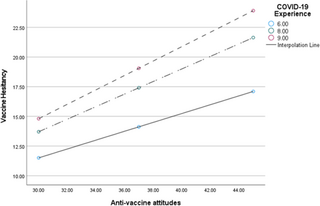
Hesitancy towards COVID-19 vaccination: The role of personality traits, anti-vaccine attitudes and illness perception

Abstract There is an increased need for COVID-19 vaccination since the world is gradually returning to normal. Current evidence supports vaccination activity more towards viral suppression than COVID-19 prevention. This has led to divergent views regarding vaccination which may influence anti-vaccine attitudes and vaccine hesitancy. The study examined the role of personality traits, anti-vaccine attitudes […]

Continue Reading

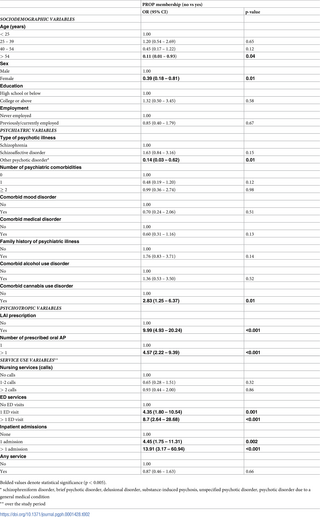
Predictors of admission to an assertive outreach service for psychosis in Lebanon

Abstract Schizophrenia is a chronic, debilitating mental illness that contributes significantly to the global burden of disease. Assertive outreach treatment for patients with schizophrenia and psychotic disorders has been implemented to improve treatment adherence and outcomes. The suitability of this model of care outside the western context has not been fully established. We describe the […]

Continue Reading

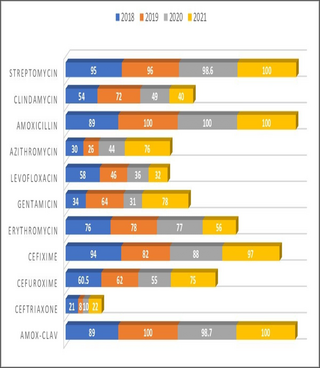
Antibiogram of clinical isolates from primary and secondary healthcare facilities: A step towards antimicrobial stewardship

Abstract Antibiogram development and use is a core element of antimicrobial stewardship practice, such data is scarce in healthcare settings in developing countries. The study aims to determine the epidemiology of clinical isolates and their antibiograms in secondary healthcare (SHC) and primary healthcare (PHC) facilities in Benin City, Nigeria. This was a retrospective study in […]

Continue Reading

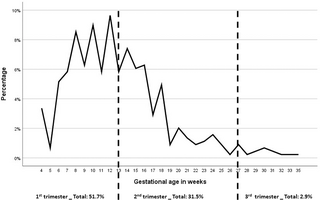
Antenatal screenings and maternal diagnosis among pregnant women in Sao Tome & Principe—Missed opportunities to improve neonatal health: A hospital-based study

Abstract Newborn mortality and adverse birth outcomes (ABOs) in Sao Tome & Príncipe (STP) are overwhelmingly high, and access to quality-antenatal care (ANC) is one of the strategies to tackle it. This study aimed to fill the gaps in ANC screenings with a focus on how to improve neonatal outcomes. We conducted a retrospective hospital-based […]

Continue Reading

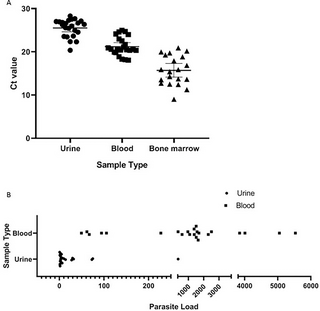
Real Time PCR-based diagnosis of human visceral leishmaniasis using urine samples

Abstract Diagnosis of visceral leishmaniasis (VL) through the detection of its causative agents namely Leishmania donovani and L. infantum is traditionally based on immunochromatographic tests, microscopy of bone marrow, spleen aspirates, liver or lymph node and differential diagnosis. While the first process has low specificity, the later one carries the risk of fatal hemorrhage. Over […]

Continue Reading

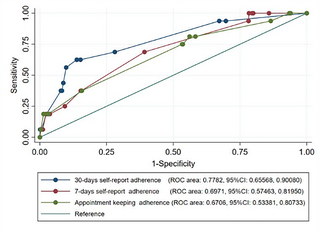
Adherence monitoring methods to measure virological failure in people living with HIV on long-term antiretroviral therapy in Uganda

Abstract Appointment keeping and self-report within 7-day or and 30-days recall periods are non-objective measures of antiretroviral treatment (ART) adherence. We assessed incidence of virological failure (VF), predictive performance and associations of these adherence measures with VF among adults on long-term ART. Data for persons initiated on ART between April 2004 and April 2005, enrolled […]

Continue Reading

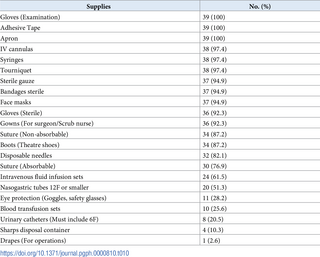
Assessment of pediatric surgical needs, health-seeking behaviors, and health systems in a rural district of Pakistan

Abstract Surgical conditions are responsible for up to 15% of total Disability-Adjusted Life Years (DALY) lost globally. Approximately 4.8 billion people have no access to surgical care and this studies aim is to assess the surgical disease burden in children under the age of five years. We used Surgeons OverSeas Assessment of Surgical Need (SOSAS) […]

Continue Reading