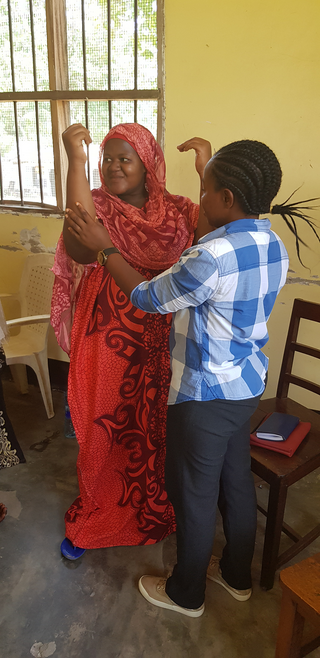
“I see salt everywhere”: A qualitative examination of the utility of arts-based participatory workshops to study noncommunicable diseases in Tanzania and Malawi

Abstract The burden of noncommunicable diseases (NCDs) including hypertension, diabetes, and cancer, is rising in Sub-Saharan African countries like Tanzania and Malawi. This increase reflects complex interactions between diverse social, environmental, biological, and political factors. To intervene successfully, new approaches are therefore needed to understand how local knowledges and attitudes towards common NCDs influence health […]

Continue Reading

Readers and Tweeters Chime In on Disability Rights and Drug Discounts

Letters to the Editor is a periodic feature. We welcome all comments and will publish a selection. We edit for length and clarity and require full names. Coming Full Circle on Protections for Those With Disabilities As a retired special education teacher, I’m wondering why our elderly in retirement homes aren’t covered by the American with Disabilities Act […]

Continue Reading

HIV risk perception and sexual behavior among HIV-uninfected men and transgender women who have sex with men in sub-Saharan Africa: Findings from the HPTN 075 qualitative sub-study

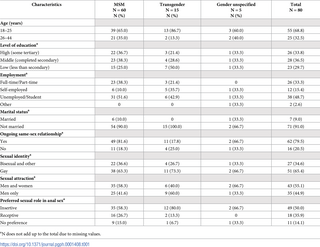
Abstract There remains a limited understanding of how men who have sex with men (MSM) and transgender women (TGW) in sub-Saharan Africa (SSA) perceive their risk for HIV and how risk influences behavior during sexual interactions. We performed thematic analysis on in-depth interviews from the qualitative sub-study of HPTN 075 in Kenya, Malawi, and South […]

Continue Reading

An Air Force Career Held up Because of Debt Owed for Medical Bills

Aneri Pattani “If you need people to be there for the country and to fight for the country, why would you hold them up for a medical bill?” Samaria Bradford Samaria Bradford, 27, Goldsboro, North Carolina  Approximate Medical Debt: $5,000  Medical Issue: Emergency room care  What Happened: In late August 2022, Samaria Bradford was prepared […]

Continue Reading

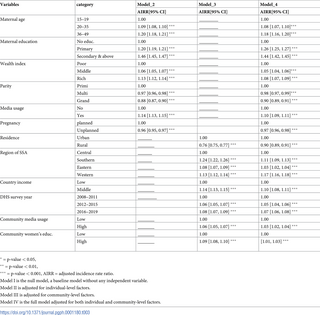
Number of antenatal care visits and associated factors among reproductive age women in Sub-Saharan Africa using recent demographic and health survey data from 2008–2019: A multilevel negative binomial regression model

Abstract Background Antenatal care is one of the best strategies for maternal and neonatal mortality reduction. There is a paucity of evidence on the mean number of ANC visits and associated factors in Sub-Saharan Africa (SSA). This study aimed to investigate the mean number of ANC visits and associated factors among reproductive-age women in Sub-Saharan […]

Continue Reading

A Montana Addiction Clinic Wants to Motivate People With Rewards. Then Came a Medicaid Fraud Probe.

A Montana addiction clinic’s plan to give people with substance use disorders as much as $1,966.50 in gift cards and vouchers to follow its treatment program is raising questions about the use of financial incentives with patients. The tug of war over the effective but largely unregulated tool is playing out in the northwestern Montana […]

Continue Reading

From Her View in Knoxville, the Health System Is ‘Not Designed for Poor People’

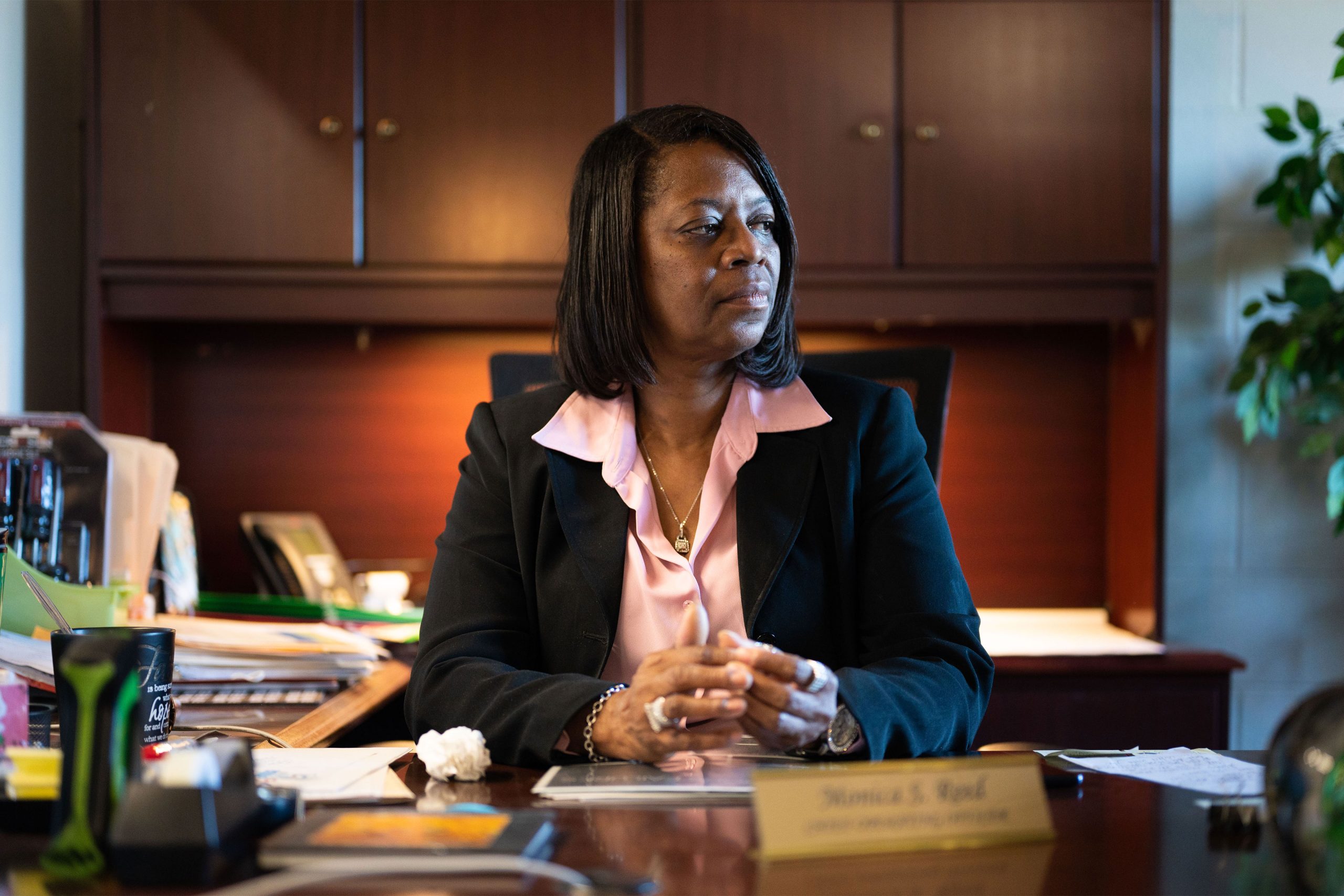
Noam N. Levey “I don’t buy a lot of food. Just plain and simple.”  Monica Reed Monica Reed, 60, Knoxville, Tenn.  Approximate Medical Debt: $10,000  Medical Issue: Cancer  What Happened: Monica Reed considers herself luckier than most. Born in Knoxville and raised by a single mother, Reed became the first in her family to own […]

Continue Reading

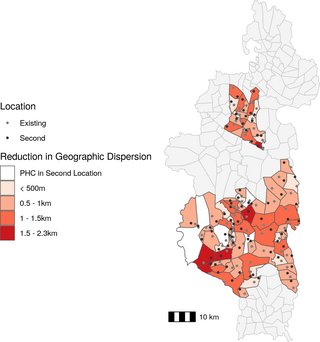
Geographic barriers to care persist at the community healthcare level: Evidence from rural Madagascar

Abstract Geographic distance is a critical barrier to healthcare access, particularly for rural communities with poor transportation infrastructure who rely on non-motorized transportation. There is broad consensus on the importance of community health workers (CHWs) to reduce the effects of geographic isolation on healthcare access. Due to a lack of fine-scale spatial data and individual […]

Continue Reading

‘Some cancer screening changes are relatively straightforward and should be cost effective’ – Prof Rebecca Fitzgerald

In this exclusive interview with Horizon Magazine, Prof Rebecca Fitzgerald – Professor of Cancer Prevention at the University of Cambridge and co-chair of the SAPEA working group supporting the EU’s Scientific Advice Mechanism discusses the evidence for and benefits of better cancer screening. Q. Why was there a need to review cancer screening in Europe?A. […]

Continue Reading

Psychedelics paired with therapy could treat chronic mental health conditions

Mind-bending drugs and psychedelics are generally stigmatised and illegal in EU member states, due to concerns about their possible harmful effects. However, in other parts of the world, some psychedelic compounds are exalted for their healing properties and have been consumed in spiritual and cultural ceremonies for millennia. Now scientists in Europe and the USA […]

Continue Reading