Category: CSR/ECO/ESG

  • Competing To Be the Best in Business Ethics

    Competing To Be the Best in Business Ethics

    [ad_1]

    A columnist draws optimism from her experience as a judge in the International Business Ethics Case Competition.

    by Gael O’Brien

    Current undergraduate and graduate students have grown up, like others, with the norm of corporate ethics scandals occurring regularly. In October of last year, for example, Goldman Sachs Group admitted breaking U.S. corruption laws. Evidence indicated senior executives “ignored warning signs of fraud.” The cost of not noticing? Likely financial penalties over $5 billion.

    I’m hopeful current college students will become the generation of employees and leaders who notice – who recognize ethical vulnerabilities, analyze and collaborate on effective solutions before a crisis. My optimism stems from the International Business Ethics Case Competition (IBECC) continually modeling these skills. Each April, I step into its inspiring experiential learning environment to judge student presentations.

    IBECC’s uniqueness emanates from its big purpose developed by founder Thomas White and framed by his conversations with Fortune 500 leaders. The alignment of business and ethics is a leadership journey. IBECC competitions provide teams with rigor, tools, experiential learning and practice, feedback and discovering leadership strengths to support ethical outcomes.

    Big Purpose

    I asked White, also IBECC’s executive director, what inspired his creating IBECC. The first seeds began early in his teaching career: he wanted to help students learn how to operate in business and promote ethical actions. As he didn’t know what skills new business hires lacked, he contacted several senior managers at Fortune 500 companies. He asked each of them: “What are the skills I can teach my students to have a leg up and be successful in business.” The consensus was new hires were weak in three key areas:

    • working on teams;
    • communication skills, especially platform skills; and
    • meeting competing responsibilities and demands.

    With that feedback, White, created a new business ethics course where students developed solutions to ethical problems businesses were experiencing. The course morphed into a business ethics case competition and then evolved into IBECC, with graduate and undergraduate teams from all over the U.S. and many countries. Part of IBECC’s DNA is a charity event involving teams in giving back each year.

    Nearly 25 years later, IBECC’s foundational skills are ones still lacking in most graduates and remain qualities employers want.

    IBECC Thumbnail

    So far, more than 1500 students from 115 colleges and universities have participated in IBECC.  There are now three competitions: the original 25-minute full presentation, a 10-minute ethics-only presentation and a 90-second scenario of speaking out. For teams and judges, the website’s how-to videos, videos of past competitions and resources including the three competitions’ guidelines simplify how things work. Teams can even see the form judges use to evaluate the full presentation. Students step into business roles (generally consultants except for the third competition) and judges, in real life, have business backgrounds in ethics and other fields.

    Teams in the 25-minute presentation attempt to offer a convincing, workable ethical solution to a company’s ethical problems supported by the team’s legal, financial and ethical analyses. Judges ask questions boards would ask. It’s exciting when a team’s preparation rises to meet any question. Judges then provide feedback as themselves on the presentation’s strengths and vulnerabilities. As an uber judge, I’m assigned a division of teams. However, judges can evaluate presentations with topics aligned with their own background or interests.

    Uber judges go it alone evaluating the 10-minute and 90-second presentations. Identifying winners can be hard, but I look for those whose solution or approach is more reasoned, impactful and convincing. The 10-minute presentation offers practice in succinct, compelling, bottom-line content and delivery advocating support for the recommended ethical solution. The 90-second is a workplace scenario where an employee speaks up when a problem being discussed ignores the ethical aspect. Capturing attention, interest and openness to more information is the goal.

    The Power of Practice

    I asked Justin Goodkind, an IBECC judge this year, if participating in IBECC as an undergraduate and MBA student had influenced his career. (He and his teams won both competitions.) Goodkind, Director of Partnerships and Solutions at Cognito, said IBECC gave him practice in learning how to speak up when something didn’t seem right.

    Goodkind shared an example of when he was working in sales for a previous employer that announced and promoted some products that didn’t work. He sent an email to the CEO identifying the problem, indicating he felt there was an ethical obligation to customers not being met. He asked what the CEO thought about it. The CEO met with him, took the concerns seriously and made some changes, addressing the problem at the company’s monthly meeting. Goodkind emphasized the importance of developing skills to identify problems and practicing how to react in productive ways to create meaningful change.

    The Ethics and Business Connection 

    White, who is Conrad N. Hilton Chair in Business Ethics Emeritus at Loyola Marymount University, encourages students to develop a basic feel for a secular, rational, philosophical approach to ethics –and to talk about it in common-sense business language. To facilitate teams and judges being on the same page, he created a 34-minute video which highlights universal principles to evaluate actions: “do no harm” and “treat others appropriately” (according to human needs for fairness, kept promises etc.).

    For leaders and employees, ethical overconfidence is a challenging barrier to seeing and addressing ethical problems early. Research indicates we aren’t as ethical we think we are. Up to 90% of us are overconfident about our self-awareness which cues insights into our integrity, limitations, and biases. IBECC teams are practicing developing workable solutions to ethical issues so relevant to a company’s problems that leaders, ethically overconfident or not, will see value.

    Takeaways

    Teams leave the classroom behind. They assume business roles, practice living the part, develop actionable impactful solutions to ethical problems and work to sell them. These are not skills most have used before. Judges’ feedback on approach, content and presentation skills, relevant to the presentation, are also helpful to team members when they are in a work environment.

    I’ve only had one experience in 11 years where a team was troubled by receiving feedback that included suggestions for improvement. A team member sought me out after their presentation to explain they were top students who’d excelled at everything they’d done. I talked with him about why feedback beyond praise matters in IBECC and careers.

    Their presentation wasn’t the strongest in their division and they didn’t win. The student found me after the awards program, asking if I’d talk with his team as they were very upset. What I saw on their troubled faces wasn’t arrogance. It was fear. They were seniors about to graduate who’d never experienced what they considered failure. They had no experience working hard and not being considered the best. Even though it was their first time at IBECC and they did well, their frustration and disappointment were palpable. We talked together for a long time.

    Experiential learning experiences can’t tell us in advance what we’ll discover about ourselves. Some teams come to IBECC discovering strengths and confidence they didn’t know they had. Others are excited and inspired by what they’ve accomplished (win or not). And still others may consider later that what they learned helped them make better transitions into their careers and future leadership.

    IBECC participants launch themselves on the path connecting business and ethics. It’s a path of learning and practicing to support aligning their business skills with ethical awareness so they can do things that matter in companies.

    Gael O’Brien is a catalyst in leaders leading with purpose and impact through clarity, presence and connection. She is an executive coach, culture coach, speech coach and presenter. She publishes The Week in Ethics and is also a Business Ethics Magazine columnist, a Kallman Executive Fellow, Hoffman Center for Business Ethics at Bentley University, and a Senior Fellow Social Innovation, the Lewis Institute at Babson College.


    Post to Twitter


    [ad_2]

    Source link

  • COP27 ‘Biodiversity Day’: Climate and nature agendas are entwined.

    COP27 ‘Biodiversity Day’: Climate and nature agendas are entwined.

    [ad_1]

    Today saw biodiversity take centre stage at COP27, which aimed to advance and institutionalize action towards valuing, conserving, restoring, and sustainably using biodiversity across terrestrial, freshwater, coastal, and marine ecosystems to reduce climate change impacts and leverage nature-based solutions to mitigate and adapt to climate change and build resilience for people and nature.

    (more…)

  • Making optimal adaptive management accessible to everyone – The Applied Ecologist

    Making optimal adaptive management accessible to everyone – The Applied Ecologist

    [ad_1]

    Author Sam Nicol describes his team’s latest research developing a new model to help managers easily identify and employ adaptive management interventions to protect threatened species.

    Adaptive management—what’s the problem?

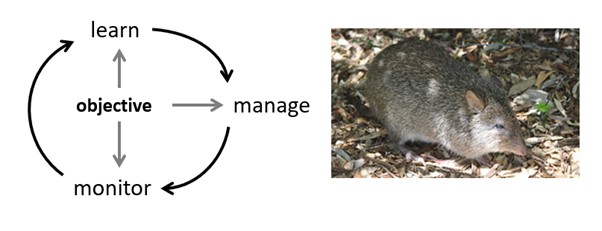
    Adaptive management has been the coolest thing in conservation for almost 40 years – everyone wants to do it. Way back in the ‘80s, the elegant seminal formulations by Hollings and Walters proposed that conservation and resource management were problems that could be optimised. After setting an objective, adaptive managers could ‘learn by doing’, with all their actions and monitoring continuously contributing to making better decisions to achieve their goal.

    However, despite many impressive advances, this immensely appealing concept has largely proven difficult to translate into practice (although notable examples exist). The reasons for this ‘implementation gap’ are many, but among them are the data-hungry needs of the models, the inaccessibility of the maths required, and the tendency to develop bespoke solutions with high implementation costs for problem-specific returns.

    All of these factors also translate into a large expense associated with implanting adaptive management, particularly if a full controlled experimental design is required for each species. To make optimal adaptive management more accessible, there is a need to make it simpler and cheaper.

    A solution – keep it simple and make it easy!

    In our recent paper, we tackle some of these barriers to uptake.

    Starting from design principles of simplicity, generality and interpretability, we devised a general adaptive management formulation to model the interactions between a species and its main threat. We modelled the problem with a very minimal number of states to make the solution fast and to maintain generality across different applications. Keeping the number of states small also requires less information to parameterize the models, which is great for expert-elicited models.

    To further help with elicitation and interpretation, we built a Shiny app in R where experts or other users can play around with different model parameterisations to check their intuition.

    In Australia, red foxes (Vulpes vulpes) are invasive predators that threaten several native species, including the long-footed potoroo (Potorous longipes) that we modelled in our study © David Croft/DPIE

    With help from the New South Wales Saving our Species program and some wonderful species experts, we applied our approach to a case study of fox predation impacts on the long-footed potoroo, a threatened marsupial. In this case, it turned out that the optimal strategy was robust to uncertainty and there was low value of information to be gained by resolving it. More simply, we already know the best management policy and don’t need to learn by doing.

    This highlights one of the values of a rapid approach – it is much better to be able to rapidly test a question than to spend years developing a complex approach only to find out that we asked the wrong question.

    What’s next?

    The big idea of our paper is that we need to generalise adaptive management models and make them accessible to users. We propose using simple archetypical models that are broadly applicable.

    We developed one such model (one species with one main threat), but we also envision that a library of several other model archetypes could be created (e.g. multiple threats to a single species; optimal harvesting problems; epidemiological problems). With the broad uptake of R and the low cost to develop Shiny apps, we can make these general adaptive models readily available for scenarios which are applicable to many threatened species.

    Adaptive management_potoroo
    In optimal adaptive management, we use a cycle of managing, monitoring and learning to choose actions that maximise the chances of achieving a long-term objective, such as minimising the probability of extinction of a threatened species (the potoroo pictured here is an example threatened species that we consider in our study). The optimisation selects management actions that have the greatest probability of long-term success by maximising the expected action outcomes while also incorporating new knowledge from previous actions. Potoroo image: Flickr/Nigel Hoult

    There are thousands of threatened species which could benefit from structured adaptive management problems, and we can’t develop customised models and solutions for them all. Although there are many species, they often share common threats which can be treated in the same way by modellers.

    We hope that by exploiting these commonalities, we can lower the cost of entry into adaptive management for conservation managers and finally overcome the implementation gap.

    Read the full article: “A general optimal adaptive framework for managing a threatened species” in Issue 3:4 of Ecological Solutions and Evidence.

    [ad_2]

    Source link

  • Leadership Challenge: The Pandemic and the Workplace

    Leadership Challenge: The Pandemic and the Workplace

    [ad_1]

    by Gael O’Brien

    The pandemic changed the work, family and social patterns of our lives. It wreaked havoc on business operations with closings, layoffs, pay cuts and furloughs. Normal became a memory except for continuing pay disparities: 2020 CEO compensation had “some of the biggest pay packages on record”  as worker median pay rose 1.9%. For many, it hasn’t felt “we’re in this together.” The workplace as we knew it is changing. It offers opportunities for do-overs.

    COVID-19 provided time for self-examination. One outcome is more people quitting jobs than at any time in the past 20 years; 4 million quit in April 2021. Employees wanted better jobs, pay, benefits and greater purpose in work. The employee exodus indicates that for those leaving, their workplaces were lacking. At May’s end, 9.2 million jobs were open and 2.5 million people had filed to become entrepreneurs. In response, companies are increasing salaries and offering very large sign-up bonuses to attract new employees.

    The exodus of former employees, influx of incentivized new employees and ongoing labor shortages add new challenges to the old. The agility, resilience and genuineness of a company’s culture is now even more important. COVID-19 has exacerbated problems of workplace identity, what fuels employee engagement and longstanding income disparities. It’s time for leaders to reassess how well connection, purpose and trust are operating in their companies.

    A new paradigm

    I loved the title of a recent Atlantic Magazine column, “A Once-in-a-Lifetime Chance to Start Over.”  It reminds us that when our normal is turned on its head, rather than trying to keep it going, we can evolve something better. We can evolve the best of what a workplace can be.

    For starters, it’s clear that flexibility matters to many employees. Over 40% of employees working remotely indicated in one survey they’ll find another job if their employer doesn’t continue offering long-term remote options. Pressure is on resisting CEOs to see the workplace differently, finding a balance of in-office, hybrid and remote options. Workflows will be different: some companies have hired remote work directors and a chief hybrid work officer may be next.

    The office has traditionally defined the workplace’s physical and psychological identity. A little bit (or not at all) like Cheers, “where everybody knows your name.” Some leaders feel strongly the presence of people together in the office environment fuels collaboration and culture However, just being together in a space doesn’t generate collaboration or healthy culture.

    What shapes a workplace

    What does shape a workplace (office or remote)? How CEOs lead — because it impacts whether trust can be experienced, if community feels real and if collaboration occurs. A leader’s “why” and “how” and the way they cascade throughout the company define the outlines of what’s possible wherever employees work. If the “why” connects the leader’s purpose, company purpose, values and what’s at stake, employees can link it to how they do their work.

    According to Gallup, “…only 41% of U.S. employees strongly agree that they know what their company stands for.” Surely companies want to change that trajectory? If so, workplace engagement will increase, especially for millennials — the largest generation in the workplace — who want purpose influencing how work is done.

    A leader’s “how” delivers on the “why.” Led by able managers, it can foster employees feeling seen, supported, paid equitably and linked to purpose (their own and the company’s). How leaders and managers continually communicate to employees wherever team members are builds engagement.

    Effective communication depends on asking questions. Returning to offices can cause employees anxiety. Finding out their concerns and ways to address them result in better outcomes. SHRM’s survey tool for returning to the office suggests what companies might ask their employees. Managers, who’ve reached out regularly to ask individual team members how they’re doing, help shape a caring workplace without borders.

    The power of connection

    It’s important for leaders to foster connection. Prior to COVID, Cigna identified “the loneliness epidemic” affecting workplace employees which I wrote about here. A way to decrease loneliness is through culture. A report of 2019 data indicated: “Employees who feel they share goals with their colleagues are almost eight points less lonely than those who don’t feel that way.”

    A March 2021 survey of remote workers indicated 85% felt their managers were responsible for connecting them to their company’s culture. Eighty percent said senior leaders were as well. Over half the managers surveyed working remotely said “they feel more pressure to maintain company culture now than before the pandemic.”  People are waiting for the connection to be delivered, a great opportunity.

    Will leaders choose to model and mentor creating genuine connection with employees to support culture, purpose and more collaboration? The payoff includes increased productivity, retention and developing future leaders. A recent article “What Does It Take to Build a Culture of Belonging”  speaks to the emotional connection culture can create. It identifies four criteria that enable employees to feel they belong at work when they are:

    • “Seen for our unique contributions
    • Connected to our coworkers
    • Supported in our daily work and career development
    • Proud of our organization’s values and purpose”

    Belonging may not seem high priority. And yet, the great employee exodus this year suggests it’s a relevant way to invest in employees for their benefit and the company’s. New commitments, I’ve written here, are wakeup calls to create what’s possible.

     Challenges to “we’re in this together”

    In marking the next phase of workplaces, building or repairing trust needs to be constant. For example, many CEOs publicly pledged not to do layoffs during the pandemic. But, then they did. For those affected companies, it’s important managers keep monitoring employee sentiment, answer questions fully and establish better trust.

    Given the gap between lowest median worker wages, new hire incentives and CEO compensation, many employees may be angry. The Institute for Policy Studies identified that 51 of 100 S&P 500 companies with the lowest median worker wages bent rules to raise 2020 CEO compensation. Of the 51companies, 16 were in the red, some laid off thousands of employees and some CEOs didn’t meet goals. Nonetheless CEO compensation increased 29% over 2019 (averaging $15.3 million) and median worker pay averaged about $28,187 – 2% lower than 2019. High pay disparity is also evident in the 100 highest paid CEOs in FY 2020.

    Leaders likely accept their board-set compensation as appropriate. However, in a pandemic, the ever-increasing disparities raise even more questions about how a leader leads and if employees are valued. The outcome often impacts employee commitment and performance. Especially if the lowest paid workers aren’t yet at least making $15 an hour. Clearly CEOs can drive that change faster.

    It’s taken several years for companies to increase the lowest paid hourly worker salary. Many companies have; others are slowly trying. Essential workers, according to Brookings, represent about half of all workers in low paid jobs, many not reaching $15 an hour. It’s a critical issue that checks all the boxes, alienates employees and raises legitimate questions about why CEOs aren’t doing more.

    A workplace is about people and how a leader leads. The shortage of workers is a wakeup call for CEOs. Companies that will enjoy sustainable success are learning how to navigate the future of the workplace so employees can say “we’re “in this together.”

    Gael O’Brien is a catalyst in leaders leading with purpose and impact through clarity, presence and connection. She is an executive coach, culture coach, speech coach and presenter. She publishes The Week in Ethics and is also a Business Ethics Magazine columnist, a Kallman Executive Fellow, Hoffman Center for Business Ethics at Bentley University, and a Senior Fellow Social Innovation, the Lewis Institute at Babson College.

    Post to Twitter


    [ad_2]

    Source link

  • New tools and strategies are required to address biodiversity

    New tools and strategies are required to address biodiversity

    [ad_1]

    In July, the United Nations General Assembly declared that everyone has the right to live in a healthy, sustainable environment. In so doing, it recognised that the well-being of our society is inextricably bound to the functions of the natural world.

    (more…)

  • Strava, GBIF and Citizen Science – The Applied Ecologist

    Strava, GBIF and Citizen Science – The Applied Ecologist

    [ad_1]

    Lead author Caitlin Mandeville recalls how she and her co-authors kept their focus close to home in their latest research that explores connections between citizen science and recreation in natural areas.

    Just about every community has some small, unassuming natural areas that are mainly known to locals: a neighbourhood park, a small wildlife preserve, a field on the edge of town. These places might not show up in guidebooks or draw tourists, but they tend to be visited regularly and are deeply loved by the people who live near them.

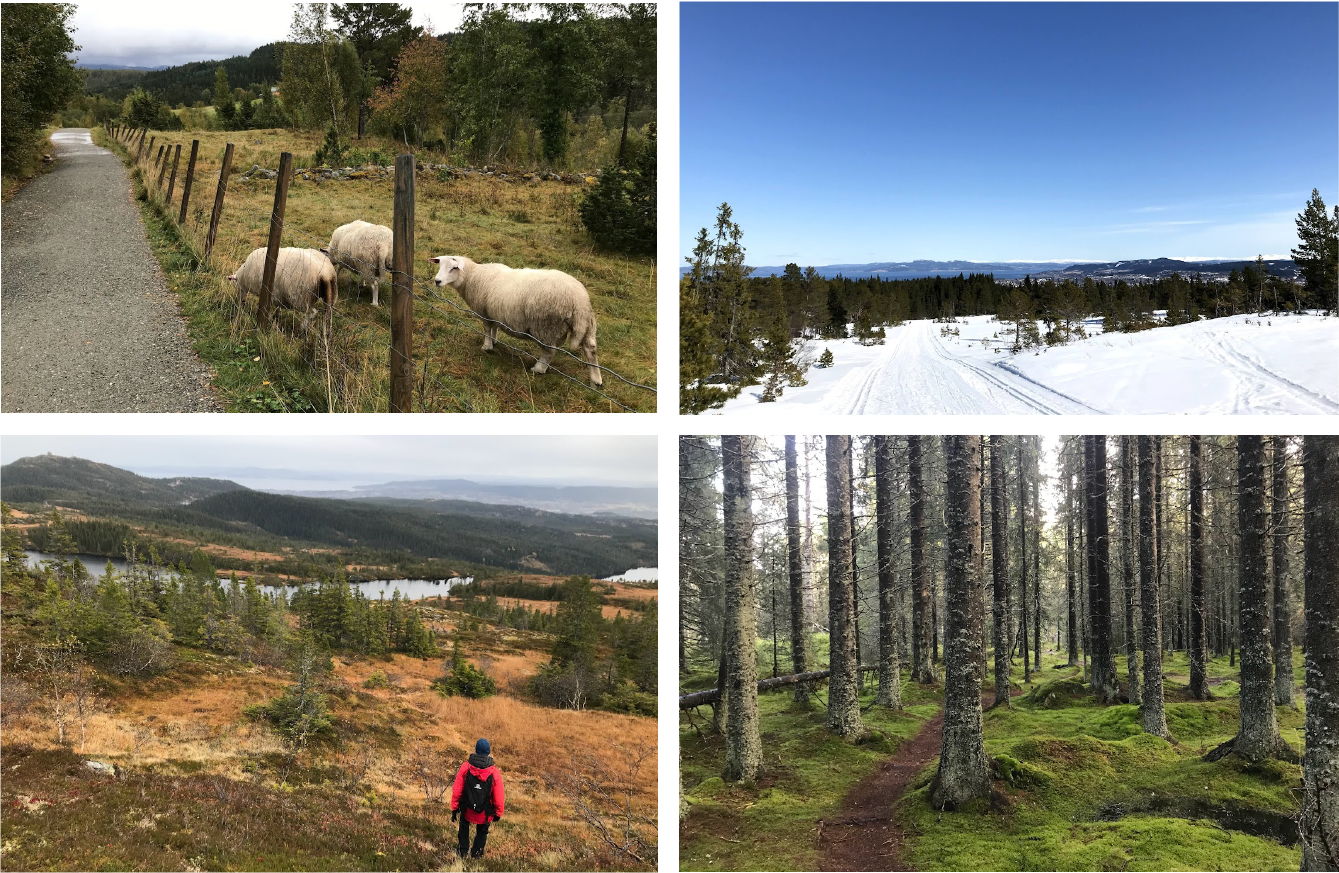
    Here in Trondheim, Norway, one of the most treasured places to get out into nature is called Bymarka. A small stretch of forest, lakes and bogs perched on the hills at the edge of town, Bymarka has been at the cultural heart of Trondheim for centuries.

    Left: A past ski tour in Bymarka, date unknown © The Municipal Archives of Trondheim, CC BY 2.0 Right: Skiing in Bymarka, 2021 © Caitlin Mandeville

    Not only do local natural areas like Bymarka help people connect with nature during day-to-day life, evidence suggests that they’re good for conservation too. They are home to diverse species, bridge gaps between larger areas, and more.

    But many small natural areas have limited funding for the active management and monitoring that are needed to maintain healthy ecosystems. In particular, biodiversity monitoring is essential but can be expensive.

    The popularity of small natural areas hints at one solution: in addition to hiking, picnicking and other recreational activities, many natural area visitors also like to use citizen science apps that record biodiversity data (e.g. iNaturalist, eBird, and many others!). This is clearly true in Bymarka, where over 85% of terrestrial biodiversity data shared on GBIF in the last 20 years were collected on Norway’s favourite citizen science app.

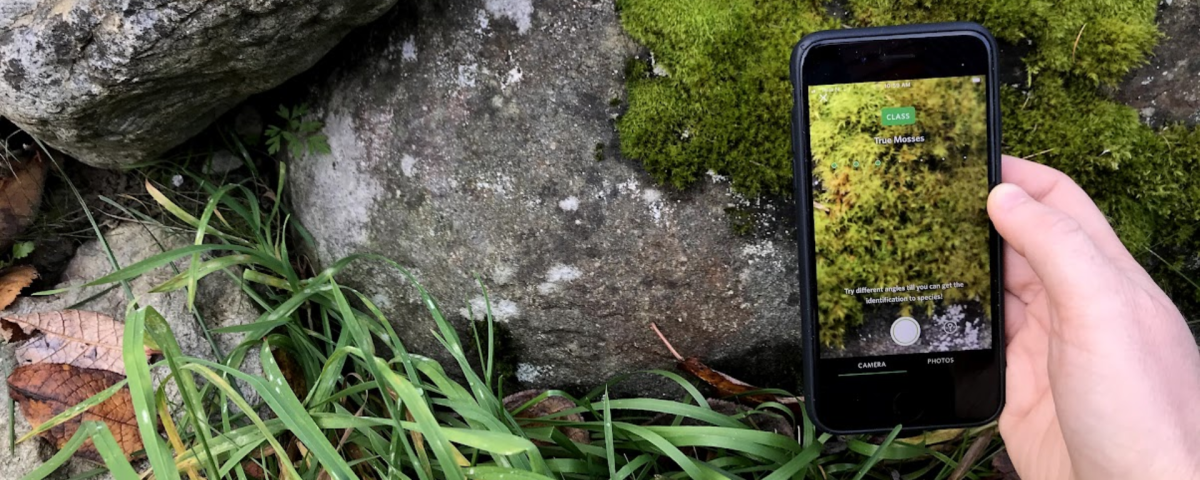
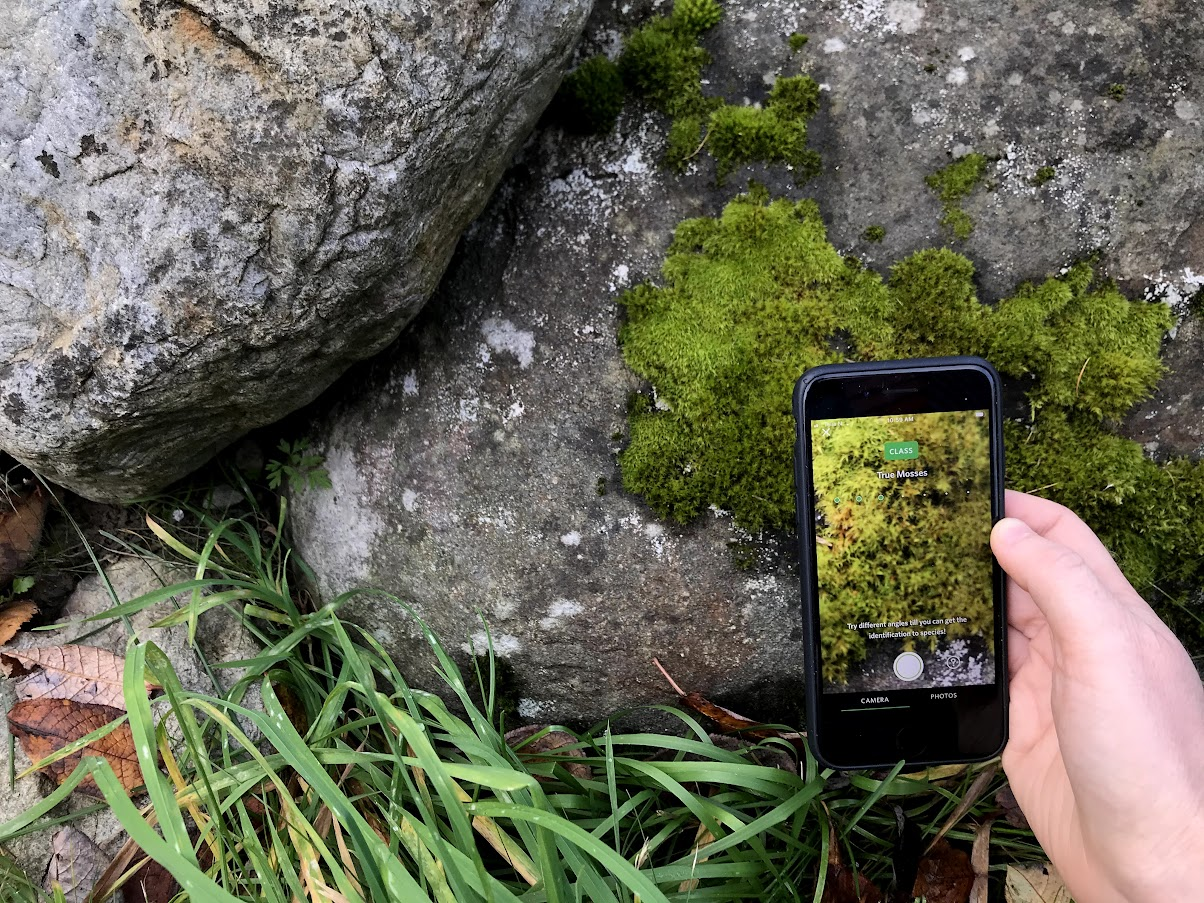
    moss
    Exploring some biodiversity close to home © Caitlin Mandeville

    But putting citizen science data to use can be easier said than done. Citizen science offers both an opportunity (lots of data!) and a challenge (we don’t have a lot of background information on the data). The more we know about any patterns in when, where and how participants report data, the more easily we can use the data for analysis.

    We already know that, unsurprisingly, people mostly do citizen science where they live, work and play, especially if they are interested in the nature there. This is why small natural areas with regular visitors are hotspots for citizen science.

    But what about within these citizen science hotspots? Once people get to their favourite nature spot, how do they choose where to stop and collect data, and where to keep on walking?

    trails
    How does a citizen scientist in Bymarka decide where to stop and collect observation data? © Caitlin Mandeville

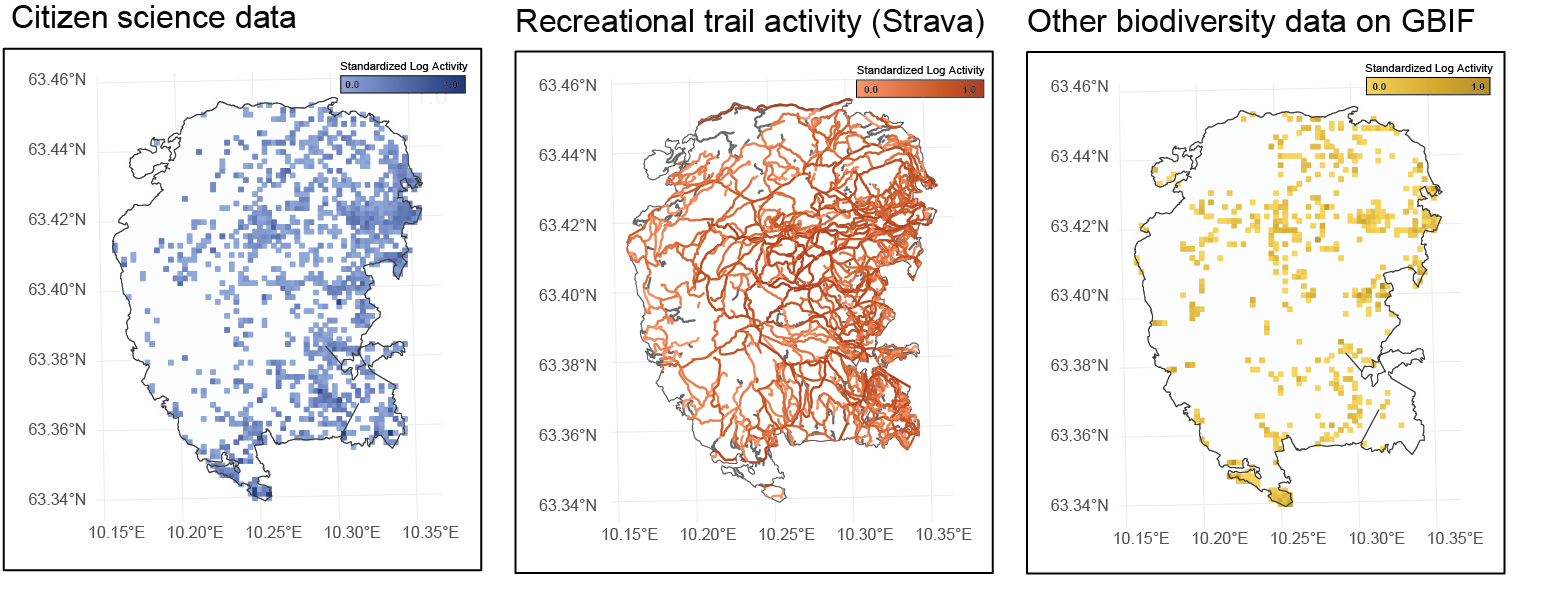
    Along with my PhD advisors, I decided to use our own local natural area, Bymarka, to think about these questions. First, we compared the locations of citizen science activity with other recreational trail use reported by users of the Strava activity tracking app. After that, we used modelling to identify common features (such as trail access and habitat types) of the most popular citizen science spots in Bymarka.

    To our surprise, we found that citizen science participants used Bymarka’s trails differently than other trail users.

    Most visitors to Bymarka spent more time on well-established trails but citizen science participants spread out along trails, ranging from paved paths to muddy tracks. Most visitors didn’t spend as much time around human-built structures or grazing areas but citizen science was as popular in these areas as in more seemingly “natural” spots.

    figure1blog
    This adapted figure from the paper shows the distribution of citizen science activity, other recreational trail use and all other biodiversity data (not from citizen science) that were openly shared on GBIF with the study area

    The biggest pattern in citizen science activity was determined by how easily people could access a location – trailheads and parking lots are well-represented in the data. Lakeshores were also popular spots for citizen science (this is true in urban areas, too!). Knowledge of these trends could make it easier to interpret citizen science data from small natural areas.

    Above all, it’s inspiring to see how much knowledge citizen scientists produce! Citizen science participants in Bymarka collect data in all kinds of habitats all through the year, reporting over 1500 species so far. We encourage managers of natural areas to see citizen scientists as partners for data collection. Past experience even shows that citizen scientists are often happy to pursue specific data collection goals if asked, making data even more useful.

    Maybe you’d like to join me in taking along a citizen science app next time you visit your own favourite local nature spot?

    Read the full article, “Spatial distribution of biodiversity citizen science in a natural area depends on area accessibility and differs from other recreational area use”, in Issue 3:4 of Ecological Solutions and Evidence.

    [ad_2]

    Source link

  • The Potential of ‘Human Magic’ in the Workplace

    The Potential of ‘Human Magic’ in the Workplace

    [ad_1]

    by Gael O’Brien

    The vulnerability exposed by the COVID-19 pandemic refocuses not just how work is done but how those doing it are feeling and being valued. Executives have learned enough about their employees during the pandemic to realize change is needed.

    People and performance are inextricably tied. Remarkably, as burnout rates have increased, performance has generally held steady. A June 2021 Gallup study indicates U.S. workers are among the most stressed in the world. Benefits have increased but there’s been scant progress raising wages for those making less than $15 an hour.

    The question is, what kind of work environment will companies commit to?

    What if root changes in what drives a work environment are being seeded in a growing number of companies? Skeptics would say it’s a short-lived response to massive employee resignations: a total of 10.9 million at the end of July 2021. with more predicted. Others would point out, as did Edelman’s US CEO Lisa Osborne Ross: “It’s beyond clear that a company’s most important stakeholder is its employees.

    Unleashing human magic 

    The good news is that many leaders, letting go of what was normal, are rethinking what the spirit of their workplace can be. By their choices, they’ll decide just how important employees are. It’s time for the workplace spirit to set employees up for success, learning from them what will support their excelling in their jobs.

    Leaders are rethinking the workplace, but they may not be thinking yet about creating an atmosphere where a key marker would be how employees can flourish. If leaders take up that marker and incorporate it into their company’s DNA, it could enable employees in corporate and remote offices to share making the “possible” happen. Success would become more sustainable when the company flourishes (because its employees are flourishing) and the work environment could be transformed.

    Consider, for example, Best Buy, where former chairman and CEO Hubert Joly credits “human magic” with “creating an environment in which individuals flourish.” In his new book, The Heart of Business: Leadership Principles for the Next Era of Capitalism, Joly explains: “…when people are doing what matters to them and what they believe in, they will walk through walls, pouring their energy, creativity and emotions into the job.”

    Joly writes that purpose and human connection are at the heart of business. The company’s turnaround was fueled, he believes, by the environment created by five key ingredients:

    • Connecting the company’s purpose with employees’ own search for meaning;
    • Developing authentic human connection – how leaders make others feel, creating a safe, inclusive, engaged, effective, purposeful environment to support performance;
    • Fostering autonomy – the motivation of having more creativity, control, participatory process and agility;
    • Growing Mastery; and
    • Nurturing a growth environment.

    Companies can adapt these ingredients or identify their own if they pursue “unleashing human magic.” Integrating into the spirit of workplaces what’s involved in supporting flourishing will make a visible change.

    When talking about numbers, the synonym of “flourish” is “prosper” – a critical outcome. However, when talking about people flourishing, it’s individuals’ energy that makes the numbers possible. It’s about tapping into a period of highest productivity, excellence and state of flow, if there is a conducive climate.

    Finding Flow

    Wharton Psychology professor Adam Grant gave a recent TED Talk on “flow,” identifying three conditions that support it:

    • Mastery: “Psychologists find that at work,” said Grant, “the strongest factor in daily motivation and joy is a sense of progress…. how our projects are going today…” Accomplishments can be small or big wins.
    • Mindfulness: Focusing one’s full attention on a single task has been very hard during the pandemic so Grant suggested setting better boundaries. He cited a Fortune 500 company that tested a “quiet time policy” in one area with no interruptions three mornings a week. Productivity soared so it became a policy.
    • Mattering: “Knowing that you make a difference to other people.”

    How might these three conditions support a work environment if they aren’t already?  Teams can talk about: whether or when they experience mastery; what boundaries could help with their focus; and how connecting projects to purpose, when it fits, adds meaning. “Flow” and what supports “flourishing” may be new to team discussions. Acknowledging their value and what increases experiencing them can encourage more flow occurring.   

    Well-being challenges

    Without well-being there’s little flourishing.  A Kaiser Family Foundation issue brief indicates that during the pandemic 4 in 10 adults have reported symptoms of anxiety or depressive disorder; up from 1 in 10 in 2019.

    Since the pandemic started, 88% of companies have been investing more in mental health programs. Company benefits also offer programs from meditation apps to coaching. These programs are valuable (if tailored to what company employees say are needed most). However, it’s also critical to address what about work or the environment is either causing stress or insufficiently supporting people affected. An employee pointed out in an interview: “When you offer a mental health day because you can see someone’s burnt out, but you don’t lighten the workload, it makes the stress worse.”

    What’s possible in refocusing workplaces

    It could be easy for leaders to see all the things they’ve put into place and believe they’ve already set employees up for success. But their view is only half the equation. What’s possible has yet to happen.

    CNN Business interviewed 15 CEOs to address what had changed since the pandemic began and how they see the future of work. Below are three excerpts: one identifying hope, another accountability and the last, possibility:

    • James Loree, CEO, Black and Decker: “The future of work will look like a more caring and compassionate place where employee well-being is prioritized.”
    • Hamdi Ulukaya founder, chairman and CEO, Chobani: Chobani “The future of work must also include fair and equitable compensation, part-time options, … robust benefits packages, parental leave, extensive health and safety programs, and a positive and inclusive environment — these elements should no longer be revolutionary, but the norm.”
    • Stewart Butterfield, founder and CEO, Slack: “Today we have what is likely to be the greatest opportunity we will ever have in our lifetimes to reinvent and re-imagine how work gets done…. everything is open to radical reconfiguration and fundamental improvements…. This is a time for business leaders to build a better workplace and world.”

    Those hopes sound terrific. However, reality becomes what companies actually do every day to address the weakest links in their work environment.  Raising compensation is a critical work-in-progress for many companies. Costco and Bank of America have been singled out for their impact in raising internal minimum wages.

    However, if companies really believe employees are their most important stakeholders, leaders have a great opportunity in this reset period to bring out the best in their people as well as themselves.

    Gael O’Brien is a catalyst in leaders leading with purpose and impact through clarity, presence and connection. She is an executive coach, culture coach, speech coach and presenter. She publishes The Week in Ethics and is also a Business Ethics Magazine columnist, a Kallman Executive Fellow, Hoffman Center for Business Ethics at Bentley University, and a Senior Fellow Social Innovation, the Lewis Institute at Babson College.
    Post to Twitter


    [ad_2]

    Source link

  • What Can We Take Away From This Year’s Global Climate Summit?

    What Can We Take Away From This Year’s Global Climate Summit?

    [ad_1]

    Following the two-week climate summit in Egypt, representatives and negotiators from across the globe reached a series of conclusions; the most prominent of which being support for climate victims in the form of a loss and damage facility – with a commitment to set up a financial support structure for the most vulnerable by the next COP in 2023.

    (more…)

  • Farmstead modernization affects farmland birds – The Applied Ecologist

    Farmstead modernization affects farmland birds – The Applied Ecologist

    [ad_1]

    Martin Mayer and Martin Šálek take us through their latest research into how old ‘messy’ farmsteads may actually be bird hotspots and how modernization changes this.

    Old cow sheds are a great place for farmland birds. There are many cracks, corners and beams in these old brick buildings where birds can build their nests. The bedding material for the cows is straw or hay, and there are piles of old bedding material, manure and other ‘trash’ outside the cowsheds. This might make old farmsteads look a bit messy, but all these structures provide great habitat for flies and other insects. Lots of them. And this is what many birds need during their reproductive season in order to feed their chicks. However, old farmsteads (in the Czech Republic mostly built during the 1960s and 1970s) are disappearing from the landscape. One reason is the general agricultural intensification in Europe, which resulted in a massive reduction of smaller farmsteads and the creation of fewer, very large farmsteads.

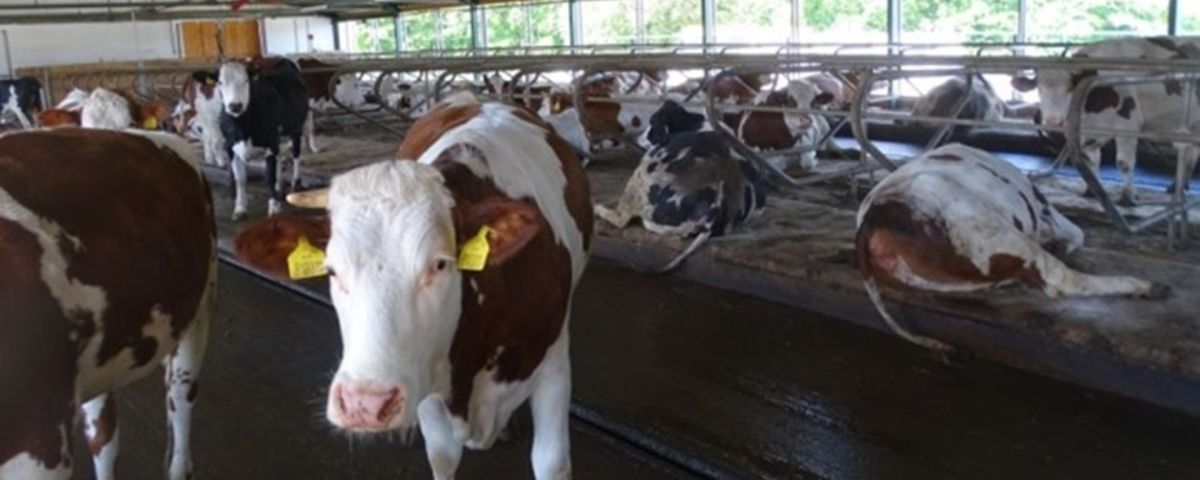
    Example of an old (left) and a new (right) cow shed. Images: Martin Šálek.

    With the accession of the Czech Republic to the European Union in 2004, and the subsequent application of the Common Agricultural Policy, farmers started to renovate and modernize or build new farmsteads, incentivized by the Czech Rural Development Programme. Modernization of dairy farms is linked to changes in the architecture of cow sheds (e.g., building semi-open cow sheds without attic spaces and using new construction materials, such as steel) and the application of new technologies (e.g., sand bedding systems and mechanical manure removal systems). These structural changes might improve farming efficiency, animal welfare and make the farm look tidier, but they might come at a cost for farmland birds that made farmsteads their home.

    In our new study, we compared farmland bird abundance and species richness (the number of bird species found per farmstead) in old ‘messy’ farmsteads compared to new or mixed (consisting of both old and new buildings) farmsteads. We found that the overall bird abundance was almost 3-fold higher in mixed and old farmsteads compared to new/modernized farmsteads, likely as a result of reduced nesting and foraging opportunities. Similarly, species richness was higher in old and mixed farmsteads compared to new farmsteads. Additionally, there were consistently more active nests in old compared to new/modernized cow sheds, with 1.6-fold more house sparrow nests, 8.7-fold more house martin nests, and 9.8-fold more barn swallow nests in old compared to new/modernized cow sheds.

    This is bad news for farmland birds, indicating that farmstead modernization may have strong adverse effects, potentially contributing to recent large-scale bird population declines. Moreover, our previous research clearly documented that active farmsteads with animal husbandry are local bird diversity hotspots in agricultural landscapes, and host many species of conservation concern (Šálek et al., 2018). The negative effect of farmstead modernization may be especially important for birds that nest in buildings, because farmsteads represent high-quality foraging habitat with increased breeding performance of those building nesters compared to other farming systems and habitats. Importantly, modernization of farmsteads is an ongoing process, in parts driven by the EU’s Common Agricultural Policy that pays subsidies directly linked to farmstead size, so larger farms will receive most of the money. This might lead to a further landscape homogenization over the coming years and directly conflicts with the EU Biodiversity Strategy for 2030, aiming to halt biodiversity loss and to restore healthy agroecosystems.

    As a drop of hope, we found that the number of house sparrow and barn swallow nests increased with years since modernization/construction of the building, though this effect was comparatively small. This means that it might be possible that bird numbers increase a decade or two after a building was constructed/modernized. This process should be accelerated by providing adequate nesting opportunities for the affected bird species. We propose that a condition for receiving EU funding for farmstead modernization should be a legal obligation to support nesting opportunities in new farmstead buildings for cavity and other building-nesters to mitigate the loss of nesting sites during modernization. For instance, breeding opportunities could be provided by installing external or integral nest-boxes, special (swift or sparrow) nesting bricks, artificial nest cups as well as leaving access to nesting holes in renovated and new farm buildings. Moreover, nesting availability for mud-nesting swallows and martins could be enhanced by using construction material consisting of rough surfaces (e.g., concrete or wood), at least under the eaves of buildings. Similarly, using hay/straw bedding in cow sheds and retaining manure heaps could increase insect availability. Finally, supporting and retaining small farmsteads with low-intensity animal husbandry (that provide both nesting and feeding opportunities for farmland birds) may be a vital tool for increasing farmland biodiversity and promoting sustainable agricultural development in an era of global biodiversity crisis. This will require rethinking the EU’s Common Agricultural Policy.

    Read the full article, Farmstead modernization adversely affects farmland birds‘, in Journal of Applied Ecology

    [ad_2]

    Source link

  • The Wisdom of Listening | Business Ethics

    The Wisdom of Listening | Business Ethics

    [ad_1]

    by Gael O’Brien

    CEOs not actively listening to employees’ high expectations for leaders (and the role employees see for themselves) will forfeit the fragile trust they have. Millions of employees have recently quit jobs amid the COVID pandemic, giving up on their companies and leaders. Many employees who’ve stayed feel empowered to be workplace activists and expect their CEO to play a strong societal role, which many haven’t yet.

    The need for trust increases. Business became the most trusted institution globally last year, according to the 2021 Edelman Trust Barometer; employee activism is expected to increase in 2022. In the United States, 72 percent of employees surveyed agree with the statement: “My employer is a mainstay of trust” (down 2 percent from 2020). But if 63 percent globally can only say they’re “more likely to trust my employer CEO” over other CEOs, it’s a warning sign. “CEOs are either responsible for trust or accountable for it,” according to 73 percent of business leaders. There’s more they can do to build trust in our changing landscape.

    Active listening plays a key role in fostering trust. CEOs might argue they have excellent listening skills and are all about trust. And yet, given work overload, how they listen determines whether trust can grow where it’s needed most. CEOs, through focused listening skills, have the potential to foster how trust and connection shape a culture supporting differences and strong collaboration

    Changing landscape

    Additional surveys conducted by Edelman in 2020 and 2021 identify expectations for CEOs and levels of employee activism that shift the landscape. Employees are now “the most important stakeholder to a company’s achieving long-term success,” according to consumer, employee and investor respondents.

    Consumers (68 percent) and employees (62 percent) expect a seat at the table, agreeing  that they “have the power to force corporations to change.” Fifty percent of those employed agree that “I am more likely now than a year ago to voice my objections to management or engage in workplace protest.”

    Belief-driven employees (identified based on the role that values, social issue opinions and other factors played in their employer choices) are more loyal and purpose-driven.

    • 83 percent are more likely to engage in workplace activism versus 65 percent of nonbelief-driven employees.
    • 65 percent expect their company would stop certain business practices if employees objected. If not, 76 percent say, “I will take action to produce or motivate urgently necessary changes within my organization.” 58 percent would work within the company to create change; 40 percent would make their concerns public.

    CEO activism expected

    The pandemic created a sense of heightened urgency about increased inequities around the world. Survey respondents expect CEOs to take on a greater societal role to make things right, including:

    • Speaking out on key societal issues like the pandemic’s impact, job automation and local community issues (86 percent);
    • Stepping in when government doesn’t fix societal problems (68 percent);
    • Taking the lead on change before government imposes it (66 percent); and
    • Holding themselves accountable to the public, not just to the board of directors and stockholders (65 percent).

    These expectations speak to what a company is willing to stand for. It’s a relevant topic for employees, CEOs and ultimately the board. Not every issue can be undertaken. However, employees need a forum to be heard by the CEO on the issues that matter to them, making their case and suggesting a plan. If what’s proposed, after consideration can’t be done and the reason why is explained, more discussion and alternatives may address concerns. Companies’ role in social issues runs the gamut from corporate donations to part of a company’s DNA.

    A too-long incubation

    Whether companies should speak out on societal issues continues to be controversial. Recently, Fortune raised this subject and asked  Fortune 500 CEOs to indicate which statement they most agreed:

    “CEOs have a responsibility to speak out on important social and political issues and should continue to do so;” or

    “CEOs have recently gotten too involved in commenting on social and political issues and need to pull back.”

    The survey result: a tie, spilt pretty evenly at 50-50.

    I wrote here five years ago about CEOs taking stands. It’s time to decide. It matters to employees what a company is willing to stand for; they want to be part of the conversation.

    The wisdom of listening

    Whether CEOs are meeting with activist employees flexing their expectations or anyone else, the discipline of “active listening” creates connection that supports trust. Psychologist Carl Rogers, who co-founded the technique, described it 65 years ago, saying it “requires that we get inside the speaker, that we grasp, from his point of view, just what it is he is communicating to us. More than that, we must convey to the speaker that we are seeing things from his point of view.”

    We know that disciplined focus isn’t easy. And yet, CEOs and the rest of us know how it feels when someone is listening to us with full attention, no multi-tasking. Nonetheless, CEOs and others believe we can still listen carefully while we skim an email. It’s easy to become overconfident about listening skills, masking us from seeing it’s time to return to the basics.

    There’s no shortage of publications to support the process. What Companies Want Most in a CEO: A Good Listener identifies key skills: actively listening to others; empathizing genuinely with others’ experiences; persuading people to work toward a common goal; and communicating clearly. The problem, as How to Really Listen to Your Employees explains, is: “If you believe you have all the answers, you simply have no reason to listen to others.”

    Are You Really Listening? elaborates on seven steps to help CEOs break from what’s gotten in the way of their listening. Some include:

    • Protect against blind spots — making it safe for team members to challenge the CEO;
    • De-emphasize hierarchy – ensuring CEO approachability;
    • Create an early-warning system – “If you have bad news, text me; if you have good news, share it with me in person;” and
    • Actively seek input – connecting with people every way possible to pick up signals and encourage employees to share what they’re thinking.

    A new book, You’re Not Listening: What You’re Missing and Why It Matters, shares an insight easily 50 years old and still relevant: “When engaged in any kind of dispute the father of listening studies, Ralph Nichols, advised listening for evidence that you might be wrong, rather than listening to poke holes in the other person’s argument….”

    This is a new era, but it’s populated with old problems that haven’t yet found their way to resolution. Collaboration can be hard, but we know it’s usually the best and most long-lasting solution. How activism plays out will be determined by how transparent and accountable the CEO’s team is and how the culture supports diverse views finding alignment.

    Employee power isn’t just about walk offs, protests, boycotts and generating bad press. It’s about persuading with passion, out of deep caring, that their company make ethical decisions. It’s expectations around what they’ll be able to contribute as a group and as the number one stakeholder, and how they’ll be included and treated. Companies not open to employee voices will find power expressed in people quitting or becoming disengaged. For CEOs the wisdom of listening can be the power of trust helping people work toward a common goal.

    Gael O’Brien is a catalyst in leaders leading with purpose and impact through clarity, presence and connection. She is an executive coach, culture coach, speech coach and presenter. She publishes The Week in Ethics and is also a Business Ethics Magazine columnist, on the Advisory Board of the Hoffman Center for Business Ethics at Bentley University, and a Senior Fellow Social Innovation, the Lewis Institute at Babson College.
     

    Post to Twitter


    [ad_2]

    Source link