The World Bank’s International Finance Corporation (IFC) rejected its ombudsman’s findings about harm related to investments in Cambodia’s microfinance sector, failing a critical test of accountability, Human Rights Watch said today. In its response, published on June 24, 2026, the IFC refuted the ombudsman’s determination that it had violated its own environmental and social policies.
“The IFC Board’s decision to reject the findings of its own ombudsman is a blow for accountability in Cambodia’s microfinance sector and for millions of indebted microfinance borrowers in Cambodia,” said Elaine Pearson, Asia director at Human Rights Watch. “The IFC should stop deflecting its own responsibilities and instead get to work providing a remedy for past harm and preventing future harm.”
The Board of Directors of the IFC, the World Bank’s private sector investment arm, issued a statement announcing that, in response to a 2022 complaint filed on behalf of 18 Cambodian microfinance borrowers, the IFC would enact a plan to support complainants to use existing complaint procedures in the country. The statement says, “In approving the Plan, the Board recognized that there has been no policy noncompliance under IFC’s Policy on Environmental and Social Sustainability.”
The Compliance Advisor Ombudsman (CAO), the organization’s internal watchdog, on June 24, had published its 142-page investigation into the allegations made in the 2022 complaint. The report details extensive harm directly related to several areas of IFC non-compliance and specifically finds that the “IFC did not comply with its Sustainability Policy obligations” to protect “poor and vulnerable people,” ensure microfinance institutions (MFIs) establish adequate grievance mechanisms, or prevent adverse impacts on Indigenous Peoples and their lands.
Cambodia has the most microcredit debt per capita of any country. Predatory lending and collection practices by Cambodian microfinance institutions have led to human rights harms, including forced land sales, families going hungry, children being forced out of school into the workforce, and apparent debt-driven suicides.
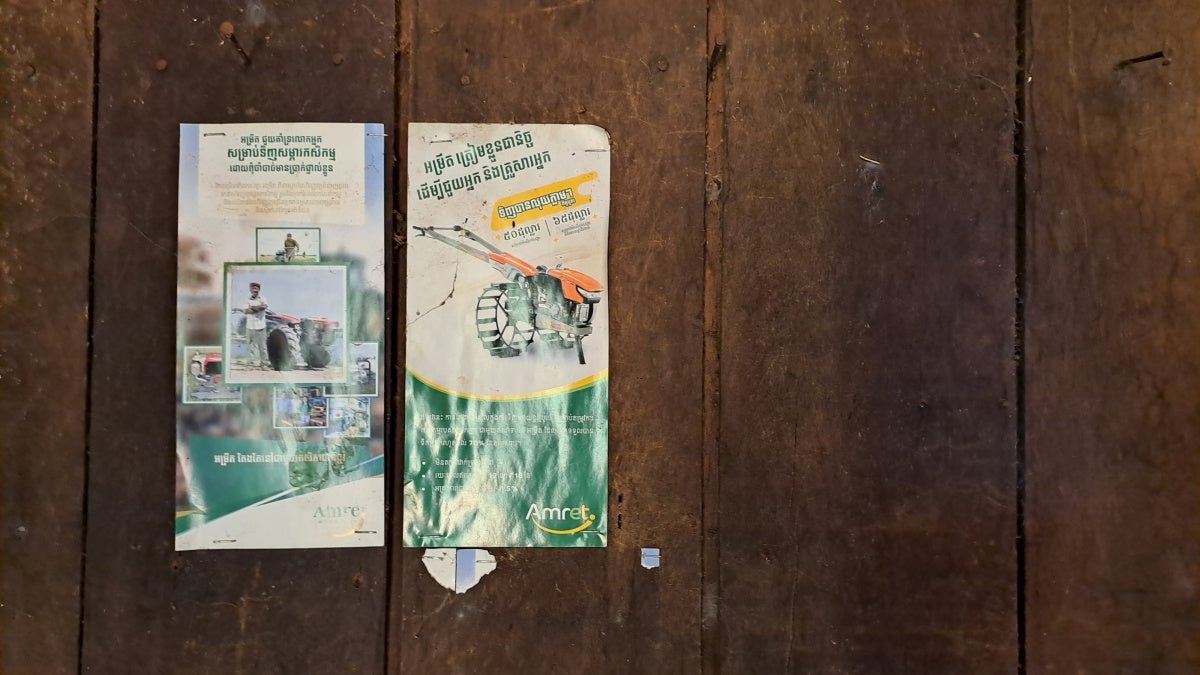
This harm is especially prevalent in Indigenous communities, where many people cannot read, speak, or write Khmer. Human Rights Watch found in a September 2025 report that Cambodian microfinance institutions backed by international investors have aggressively marketed loans in Indigenous communities, leading to this harm.
The ombudsman found similar harm in areas with Indigenous peoples as a result of the IFC’s violation of its own performance standards. “In multiple cases, [banks and financial institutions] accepted as collateral land situated within Indigenous Peoples’ territories, risking loss of communal land plots without community consent and the subsequent potential erosion of the integrity of Indigenous Peoples’ communal land, their culture, and their access to natural resources—risks that PS7 requires clients to avoid,” the ombudsman says in the report.
The ombudsman’s report further stated that the IFC did not apply its sustainability policy to assess possible environmental and social impacts on Indigenous peoples, nor did it “identify related mitigation measures in the investments covered by this case, which include microfinance providers operating in IP-majority regions.”
The IFC has invested more than $US400 million in Cambodian microfinance providers over the last 10 years, continuing to invest even after concerns were raised about the levels of debt and predatory loan practices as far back as 2016. The ombudsman also raises concerns that IFC failed to conduct proper due diligence on these investments’ potential impacts in Indigenous areas, noting, “During due diligence, IFC relied on clients’ self-reporting, without documented verification, that their projects would not carry risks of adverse impacts to Indigenous Peoples or their land and cultural heritage.”
Human Rights Watch raised concerns about over-indebtedness and predatory lending in Cambodia’s microfinance sector directly with the IFC in 2020 and in 2025. In its July 2025 letter responding to those concerns, IFC management sought to distance itself from the harm to borrowers, saying, “[R]isks and impacts related to consumer protection are not managed through IFC’s” requirements. While the ombudsman rejected this narrow interpretation of IFC policy in its report, the Board’s decision effectively endorses IFC management’s claim that microfinance borrowers are not project-affected people, and that the IFC’s sustainability policies do not apply to them.
Cambodian groups, Human Rights Watch, and the ombudsman have all separately recommended a remedy process for Cambodia’s microfinance sector in which a grievance mechanism operating independently from financial institutions would be established, and potential remedies for borrowers would include compensation, debt relief, and land restitution.
The IFC’s plan includes none of those commitments. Instead, it proposes to engage in “loan restructuring, deferred repayments, or interest adjustments” and to help complainants access existing grievance mechanisms, which the ombudsman and Human Rights Watch both found to be ineffective. It also mentions supporting the establishment of a “financial ombudsman,” but provides no commitments on how that mechanism would operate in line with international standards.
“The CAO issued a damning report, and this is a completely inadequate response, cutting off access to accountability and remedy for Cambodian borrowers, in Indigenous and non-Indigenous areas, who face risks from IFC-backed microfinance loans,” Pearson said. “The IFC’s Board should reverse this disastrous decision and fully adopt the ombudsman’s recommendations to address the harm raised in the report.”