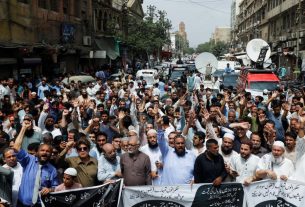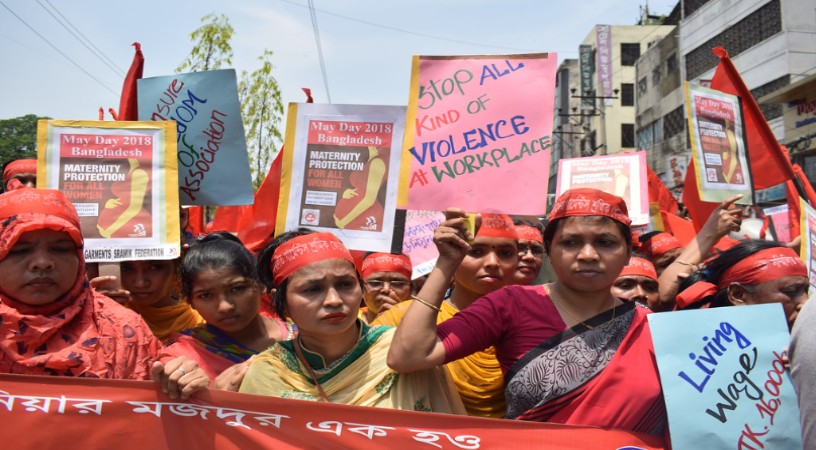
Intensifying protests by garment workers demanding higher wages across Bangladesh have forced nearly 500 factories to halt production, causing severe supply chain disruptions and millions of dollars in losses for suppliers to major global fashion brands.
Demonstrations centered in the key industrial hubs of Gazipur, Ashulia, Savar, and Dhaka’s Mirpur district escalated this week as workers staged walkouts, blocked major highways, and clashed with police over rising living costs and pay negotiations. According to the Bangladesh Garment Manufacturers and Exporters Association (BGMEA), production was halted at approximately 481 factories this week, with hundreds of plants either declaring general holidays or shutting down indefinitely.
Key Impacts on Global Apparel Supply Chains and Wage Negotiations
- Production Shutdowns and Shifted Orders: Bangladesh’s ready-made garment (RMG) sector—which employs over four million workers and accounts for more than 80% of the country’s export earnings—supplies major international retailers including H&M, Zara, Walmart, Target, and Gap. A BGMEA survey estimated that 317 factories alone lost roughly $428 million in output over 18 days of unrest, while international buyers shifted orders worth approximately $254 million to competing manufacturing countries.
- 36% Wage Hike Falls Short of Worker Demands: Following nearly 12 hours of negotiations on Wednesday, November 25, 2026, a government-appointed Minimum Wage Board approved a 36% increase in the monthly minimum wage, raising it from 12,500 taka to 17,000 taka ($139), effective December 1, 2026. However, labor unions and protesting workers—who had demanded between 18,000 and 30,000 taka per month to cope with inflation in food, housing, and healthcare—rejected the settlement as the smallest percentage increase in over a decade.
- Heightened Security and Ongoing Unrest: Police and paramilitary Border Guard Bangladesh (BGB) units have deployed across industrial belts, using tear gas and sound grenades to clear highway blockades and protect factory gates after incidents of vandalism. Factory owners warned of further indefinite closures under labor laws if work stoppages persist.
While the revised wage structure is scheduled to take effect next month with adjusted salaries paid in January, labor leaders and industry analysts warn that dissatisfaction over the settlement threatens prolonged instability across Bangladesh’s vital apparel export sector.
Bangladesh Garment Worker Wage Protests, Image USAID, Flickr