Why was an Egyptian mummy stuffed with a fragment of Homer’s Iliad?

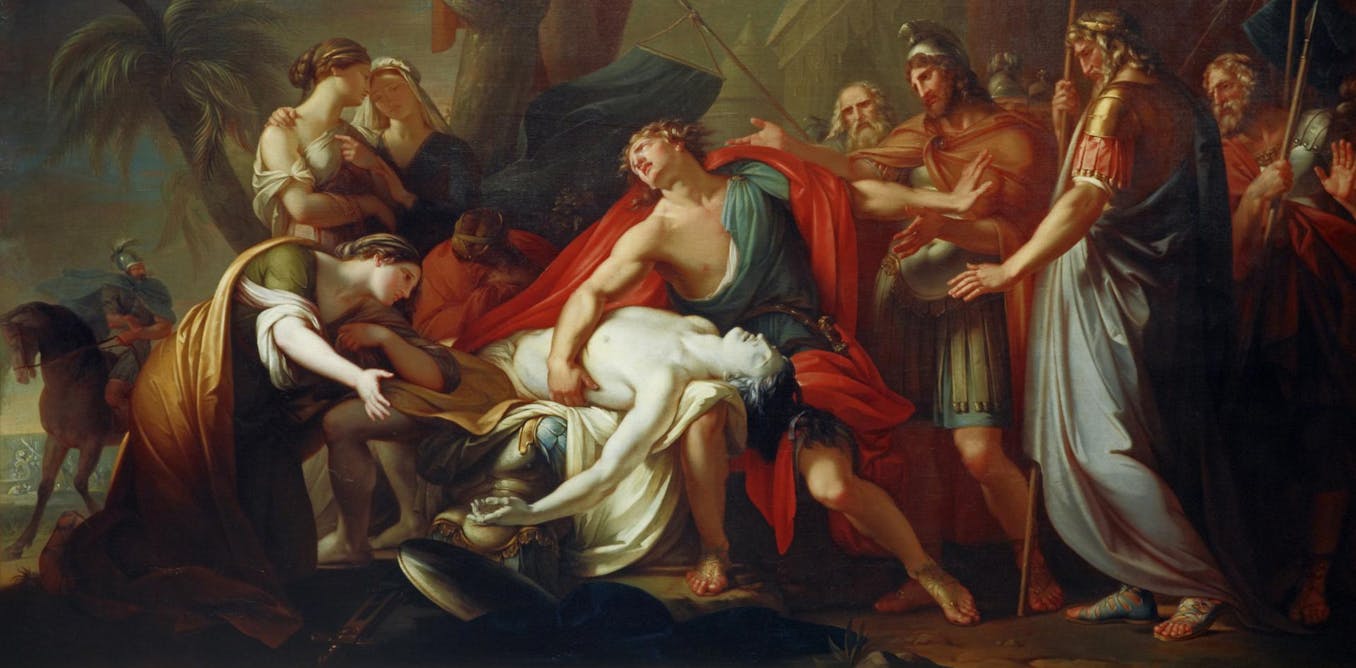
Archaeologists have found something unexpected inside a 1,600-year-old Roman-era Egyptian mummy: a fragment of Homer’s Iliad. It wasn’t placed beside the body, but inside the mummy’s abdomen. But the real surprise isn’t just where the fragment was found. It’s how it got there. To understand, we must go back – to the Iliad itself, and […]

Continue Reading

how years of careful peace, not epic war, shaped this bronze age city

Imagine a city that thrived for thousands of years, its streets alive with workshops, markets and the laughter of children, yet that is remembered for a single night of fire. That city is Troy. Long before Homer’s epics immortalised its fall, Troy was a place of everyday life. Potters shaped jars and bowls destined to […]

Continue Reading

Troy’s fall was partly due to environmental strain – and it holds lessons for today

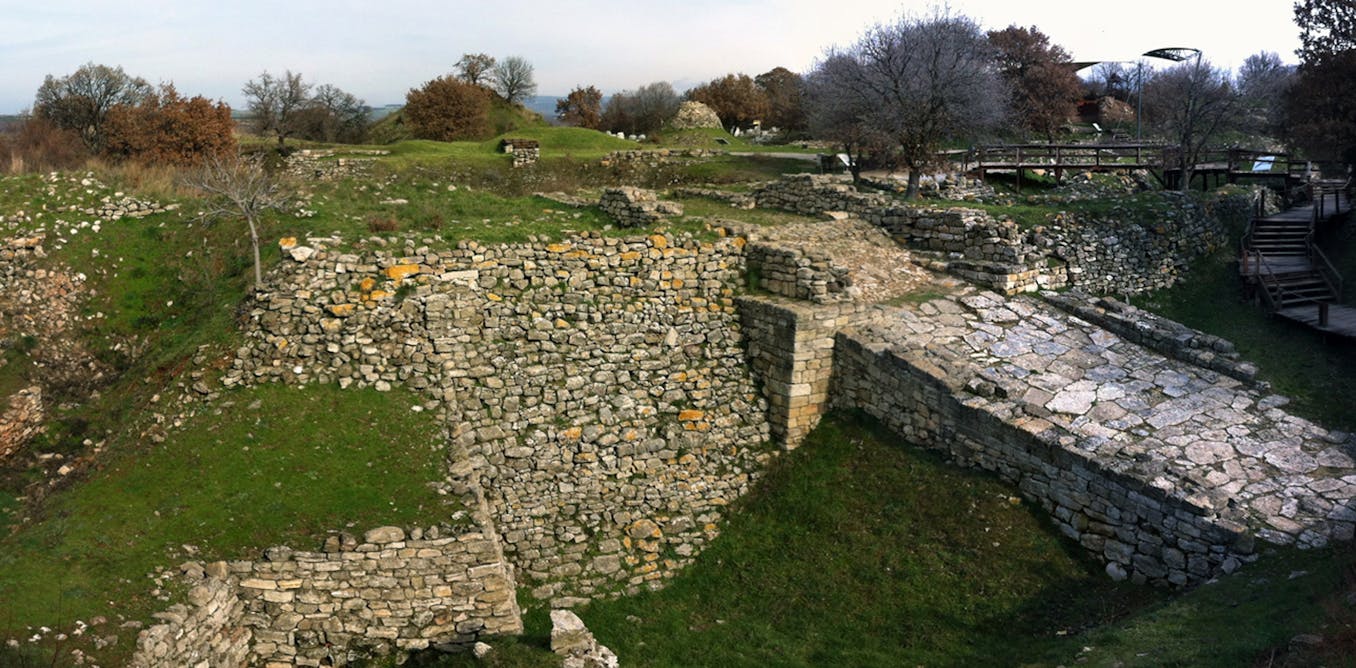
Sometimes the seeds of collapse are sown in the very soil of prosperity. Beneath the ancient city of Troy’s shining walls, the earth quietly cracked under the weight of its ambition. When we think of environmental destruction today, images of oil rigs, coal plants or plastic islands come to mind. But long before industry, ancient […]

Continue Reading

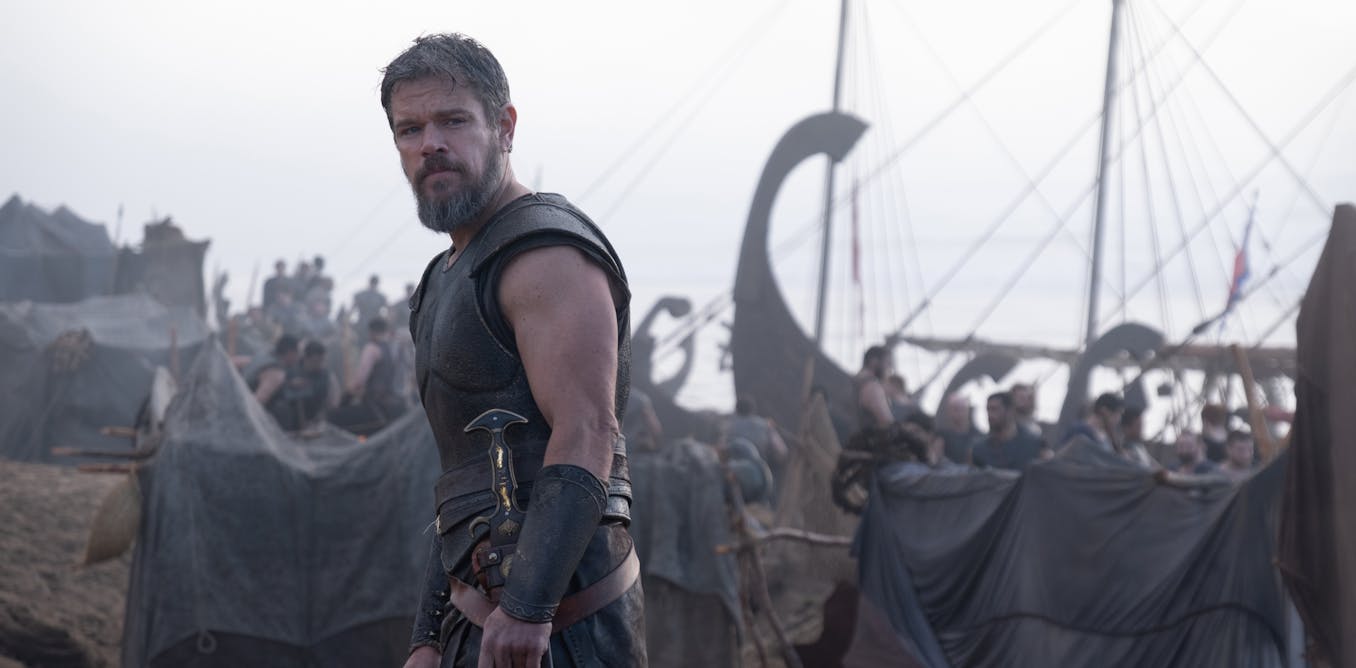
Who is Odysseus, hero of Christopher Nolan’s new epic?

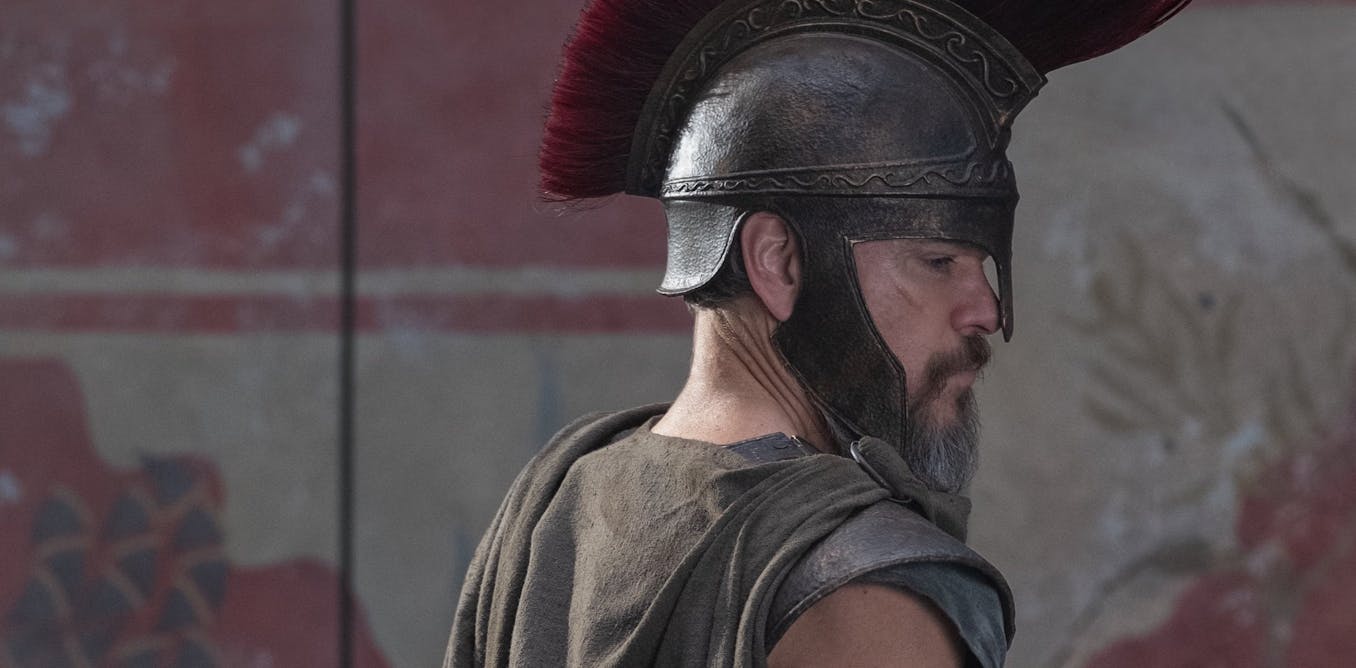
Somewhere between hero and hustler, family man and philanderer, king and con artist, Odysseus is one of ancient literature’s most complex figures. In the Iliad, he is the mastermind behind the Trojan horse. In Homer’s Odyssey, he is the protagonist of a ten-year journey home – one that sees him encounter gods, monsters, temptations and […]

Continue Reading

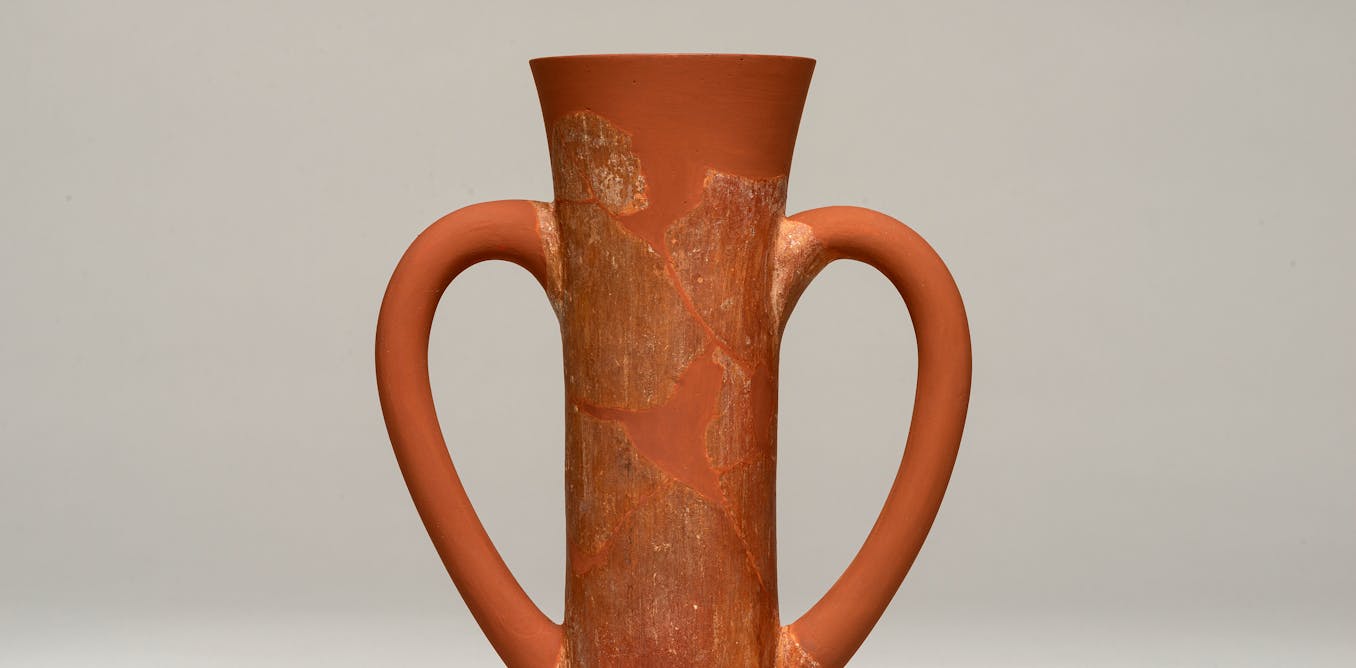
new analysis of Troy findings rewrites the story of wine in the early bronze age

Wine drinking in ancient Troy was not restricted to the upper classes, as has long been supposed – something our new research has established for the first time. Colleagues at the University of Tübingen and I have discovered that wine was also enjoyed by the common folk, independent of upper-class celebrations and religious rituals. In […]

Continue Reading