Author: cdangelo

  • IOM, UNHCR Commend Ecuador’s Efforts to Regularize Venezuelan Refugees and Migrants

    IOM, UNHCR Commend Ecuador’s Efforts to Regularize Venezuelan Refugees and Migrants

    [ad_1]

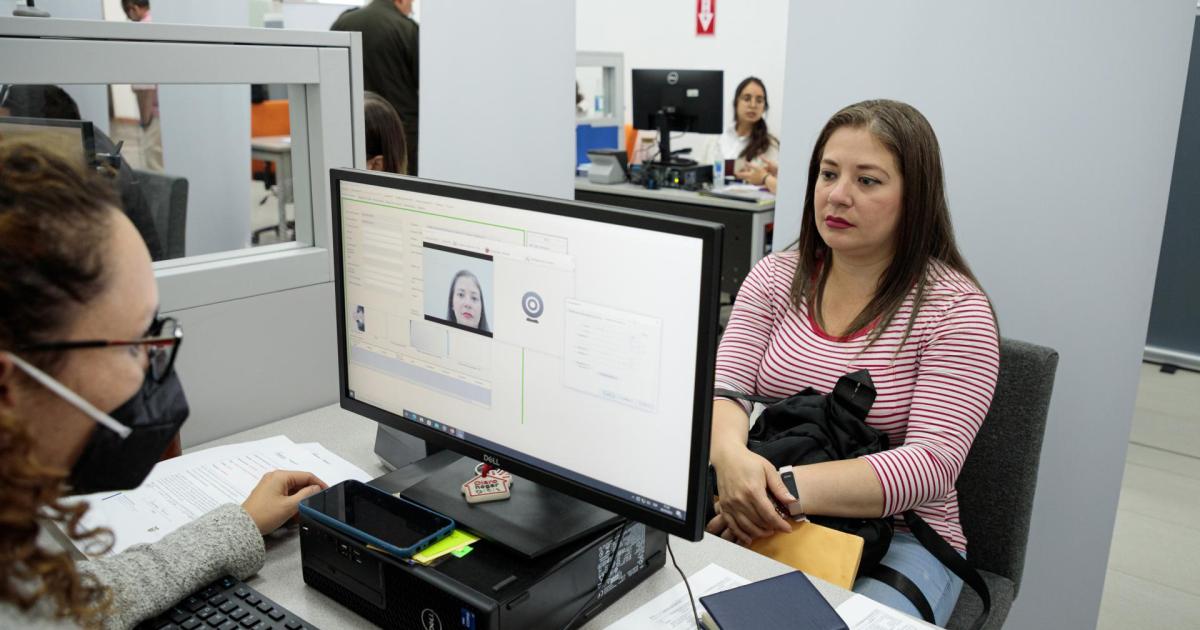
    Geneva, 2 September The International Organization for Migration (IOM) and UNHCR, the UN Refugee Agency, today praised Ecuador’s new presidential decree introducing an extraordinary regularization process for Venezuelans and their families who currently lack regular status in the country. This initiative is expected to benefit some 100,000 people, according to Government estimates. 

    Ecuador hosts the fifth largest number of Venezuelan refugees and migrants in the Americas. The regularization will assist thousands who registered for a previous process in 2022 but were unable to complete the necessary steps to finally obtain their visas. They could not obtain regular status because of practical barriers to meet the requirements, including providing necessary documentation such as passports or valid national IDs, and covering the costs of additional paperwork. 

    The process will allow Venezuelans who are in Ecuador irregularly to access a type of visa called Temporary Residence of Exception, which initially lasts two years and can be renewed for another two years. Beneficiaries will join the approximate 97,000 people already regularized.   

    “This initiative will help thousands of people emerge from the shadows of irregularity, overcome the significant barriers posed by years of lack of documentation, and finally contribute to their host communities,” said Eduardo Stein, Joint Special Representative of IOM and UNHCR for Refugees and Migrants from Venezuela. “Evidence shows that integrating migrants and refugees has important benefits for the development of entire communities.” 

    Refugees and migrants are among those most vulnerable to violence, exploitation, human trafficking, and overall exclusion, particularly those without regular status and documentation. This new process in Ecuador aims to eliminate some of the barriers faced during the previous regularization process, including allowing Venezuelans to apply using national identity documents and passports that have expired for up to five years.  

    “In these challenging times worldwide and locally, facilitating these avenues for protection and integration truly reflects the spirit of solidarity put forward in the Global Refugee Forum, the Global Compact for Safe, Orderly, and Regular Migration, the Global Compact on Refugees and the Los Angeles Declaration on Migration and Protection”, added Stein.  

    A joint study released earlier in 2024 by the World Bank (WB), the Inter-American Development Bank (IDB), the Organization for Economic Cooperation and Development (OECD), and UNHCR revealed how migrants and refugees are key to filling gaps in local labour markets and contribute to economic growth in host countries. Additionally, an IOM study demonstrates that regular migration can have a positive impact on a country’s tax revenue, as is the case of Colombia, where the Venezuelan refugees and migrants represented nearly 2 per cent of the total tax revenue in 2022. In Ecuador, where over half of Venezuelan population are aged 18 to 59, there are significant opportunities to boost investment and economic growth. This is attainable when people have a regular status. 

    Since 2019, this is the third time Ecuador has allowed an extraordinary regularization process for Venezuelan migrants and refugees. They join other countries in the region, such as Colombia, Peru and Brazil, which have continued to provide alternative avenues to foster regularization and address the needs of millions across the Americas. 

    UNHCR and IOM, as co-leaders of the Regional Inter-agency Coordination Platform for Refugees and Migrants from Venezuela (R4V), reiterate their support to Ecuador and call on the international community, development actors, the private sector and international and regional financial institutions to provide sufficient and timely support to the ongoing commitment from governments in the region to foster protection and long-term solutions for Venezuelan refugees and migrants and host communities. 


    For more information please contact: 


    In Ecuador,  

    Paula Vásquez, IOM, [email protected] +593 99 923 1572  

    Diana Díaz Rodríguez, UNHCR, [email protected] +593 99 401 3567  


    In Panama (regional),  

    Gema Cortes, IOM, [email protected]  +50762694574   
    Luiz Fernando Godinho, UNHCR, [email protected] +507 6356 0074   


    In Geneva,  

    Daniela Rovina, IOM, [email protected], +41-22 717 92 98,  

    William Spindler, UNHCR, [email protected], +41 79 549 5998 


    [ad_2]

    Source link

  • Floods, Dam Collapse Intensify Suffering in Sudan 500 Days into the War

    Floods, Dam Collapse Intensify Suffering in Sudan 500 Days into the War

    [ad_1]

    Port Sudan, 29 August – The International Organization for Migration (IOM) is calling for increased support from donors and international community to sustain response to the rising humanitarian needs and displacement in Sudan compounded by the recent floods.

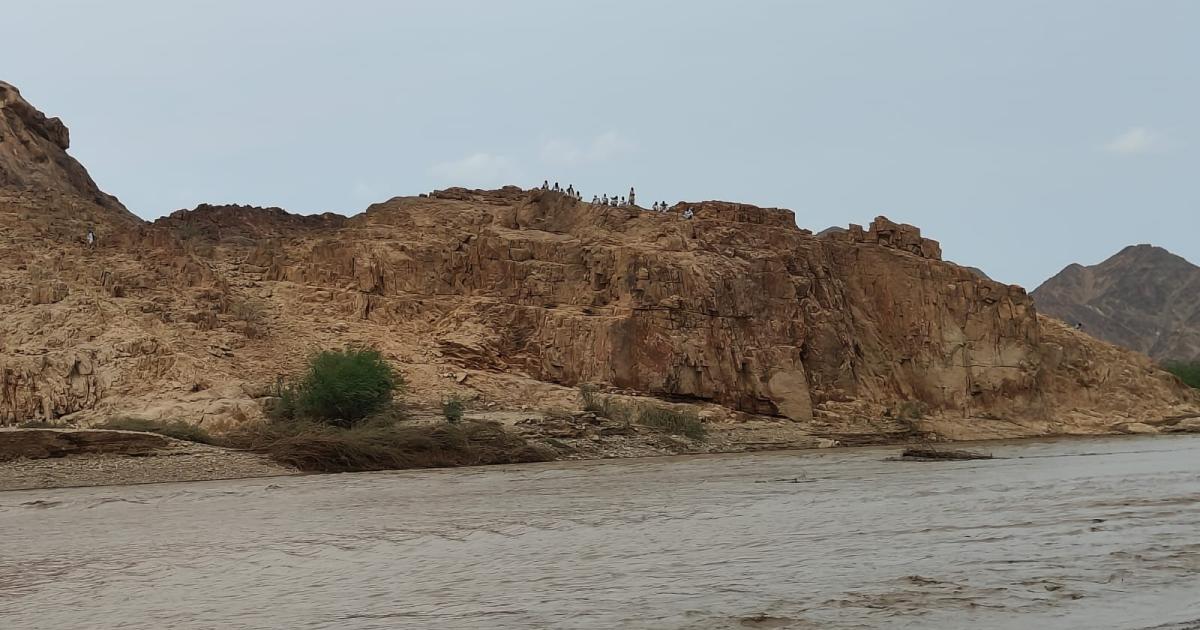
    Scores of people are still missing following the collapse of Arba’at dam in Sudan’s northeastern Red Sea State following heavy rains. An estimated 50,000 people have been affected according to the United Nations Office for the Coordination of Humanitarian Affairs (OCHA).

    Torrential rain has been causing havoc in the war-torn country since June, with warnings that 11 million people are likely to be exposed to exceptionally heavy rainfall in the coming days.

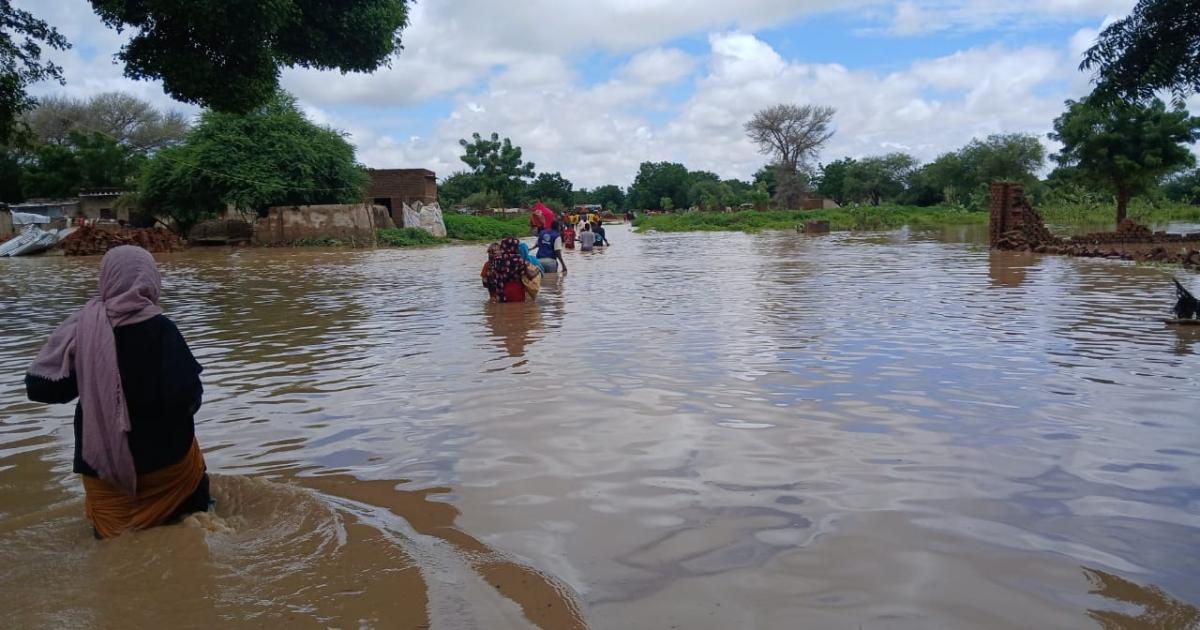
    The dam collapse, which claimed at least 30 lives, comes on top of floods that have displaced more than 136,000 people across 14 states, as reported by the IOM’s Displacement Tracking Matrix. An estimated 47 per cent of those displaced by the floods were already displaced due to the ongoing conflict. These disaster displacements are further deepening the country’s devastating humanitarian crisis after 500 days of a brutal war.

    In response, IOM is mobilizing immediate humanitarian assistance for thousands of people, including shelter, non-food items (NFIs), hygiene kits, medical care and multipurpose cash assistance.

    “The scale of this disaster is staggering, and the humanitarian needs are immense,” said Mohamed Refaat, IOM Sudan Chief of Mission. “Our teams are on the ground, relentlessly working to deliver life-saving assistance, but our resources are limited. More substantial support from international donors and partners is needed as we respond to multiple emergencies in the country. We are facing crisis after crisis, and the people of Sudan cannot afford to wait any longer for help.”

    According to IOM estimates, more than 25,000 shelters and community infrastructures were destroyed by the floods forcing some displaced individuals to shelter with host communities and in schools, while many others are staying in the open, exposed to intense heat and rain.

    In response to the new waves of displacement, IOM has delivered 12,000 hygiene kits, 27,900 non-food items, and 500 tents to support over 214,000 individuals in August. The response also includes cash assistance for 500 households, and grants to local organizations through the IOM-managed Rapid Response Fund (RRF), which will enable the prompt implementation of life-saving humanitarian interventions.

    The conflict has caused significant damage to civilian infrastructure, including telecommunication networks, water supplies, and roads, further complicating efforts to respond to humanitarian needs.

    Displacement continues to soar in Sudan, with over 10.7 million people seeking safety within the country, many displaced twice or more. Over the next three months, an estimated 25.6 million people will face acute food insecurity as the conflict spreads and coping mechanisms are exhausted. IOM calls upon the international community to significantly increase support to address the overwhelming needs.

     ***

    For more information, please contact:

    In Port Sudan: Lisa George, [email protected]

    In Cairo: Joe Lowry, [email protected]

    In Geneva: Kennedy Okoth, [email protected]    

    [ad_2]

    Source link

  • “Sudan at Breaking Point” Warns IOM as Famine, Floods add to Massive Displacement

    “Sudan at Breaking Point” Warns IOM as Famine, Floods add to Massive Displacement

    [ad_1]

    Port Sudan – The humanitarian situation in Sudan is at “a catastrophic breaking point” according to the International Organization for Migration (IOM).   

    The stark warning comes as famine and floods add to the catalogue of challenges facing millions of people struggling to cope in the world’s largest displacement crisis following 16 months of brutal conflict.  

    Within the past week, the Integrated Food Security Phase Classification (IPC) Famine Review Committee (FRC) reported famine conditions in Zamzam camp near Al Fasher town in North Darfur – home to half a million displaced people. The camp is witnessing extreme food scarcity, resulting in rocketing rates of malnutrition and death. Almost all internally displaced persons across Sudan (97 per cent) are in localities with acute levels of food insecurity or worse. 

    New figures show displacement continues to soar, with over 10.7 million people seeking safety within the country, many displaced twice or more. Fighting in Sennar state alone displaced over 700,000 people last month, 63 per cent of whom were originally displaced from other states, the majority from Khartoum.  

    This is being compounded by widespread flooding which has displaced more than 20,000 people since June across 11 of Sudan’s 18 states. Critical infrastructure has been washed away, further disrupting the delivery of vital humanitarian assistance.   

    “Make no mistake, these conditions will persist and worsen if the conflict and restrictions on humanitarian access continue”, said Othman Belbeisi, IOM’s Regional Director for Middle East North Africa. 

    “Without an immediate, massive, and coordinated global response, we risk witnessing tens of thousands of preventable deaths in the coming months. We are at breaking point, a catastrophic, cataclysmic breaking point.” 

    Humanitarian and protection conditions in Sudan are among the worst in the world. The ongoing conflict is marked by appalling levels of rights violations, ethnic targeting, massacres of civilian populations and gender-based violence.  

    Over the next three months, an estimated 25.6 million people will face acute food insecurity as the conflict spreads and coping mechanisms are exhausted. The FRC has already warned that many other areas throughout Sudan remain at risk of famine.  

    Restrictions on humanitarian access, including impediments imposed by parties to the conflict, have severely curtailed the ability of aid organizations to scale up and save lives, especially during the current rainy season. Despite these restrictions, IOM and its partners continue to respond and have reached more than two million people with life-saving assistance since the start of the conflict.  

    Urgent funding is required to scale up the response and reach those still in desperate need of food, shelter, water, health services, and specialized protection. 


    For more information, please contact: 


    In Port Sudan: Lisa George, [email protected] 

    In Cairo: Joe Lowry, [email protected] 

    In Geneva: Daniela Rovina, [email protected] 


    Latest IOM Situation Report (August 7) 

    [ad_2]

    Source link