(New York) – Afghanistan’s Taliban have entrenched one of the world’s worst human rights crises and systematically dismantled the rights of women and girls since taking power five years ago, Human Rights Watch said today, releasing a timeline of abuses over the last five years. Afghanistan is also facing a severe humanitarian crisis with nearly 40 percent of the population in urgent need of assistance.
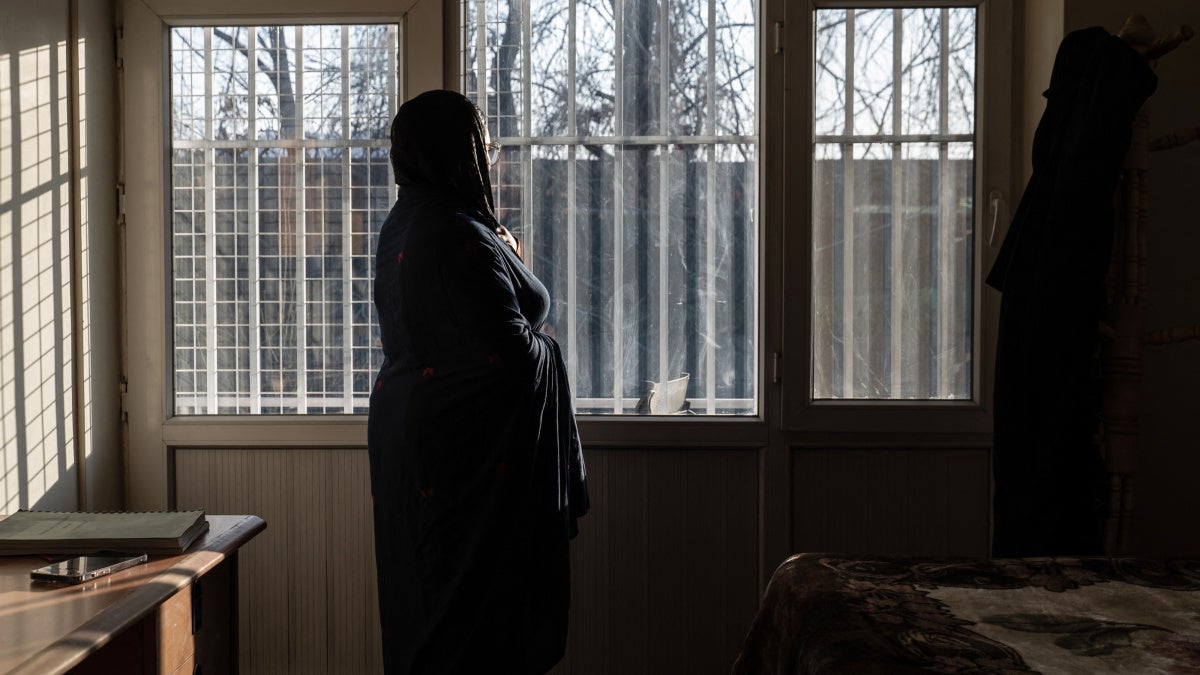
Since capturing Kabul on August 15, 2021, Taliban authorities have imposed sweeping restrictions on women’s rights to work, movement, and participation in public life as part of a broader system aimed at social control and curbing any dissent. The Taliban’s morality police have raided workplaces, surveilled public spaces, and arbitrarily arrested women for alleged violations of dress code rules. Afghanistan remains the only country in the world where girls are barred from education beyond the sixth grade.
“The fifth anniversary of the Taliban takeover is a grim marker of the devastating costs of impunity,” said Fereshta Abbasi, Afghanistan researcher at Human Rights Watch. “Governments should move beyond statements of concern and press for justice for serious crimes in Afghanistan, including the crime against humanity of gender persecution.”
The Taliban’s most recent laws have further codified repression. On January 4, 2026, the Taliban issued a criminal procedure code that defines Muslims exclusively as adherents of Hanafi jurisprudence and labels other religious groups, including Shia Muslims, as heretics. It prescribes strict punishments to silence dissent. A new Preachers Law further tightens control over religious expression, requiring religious clergy to adhere only to Hanafi jurisprudence. Both these provisions embed discrimination on the basis of religion in Afghanistan’s legal framework.
The criminal procedure code now recognizes only “excessive” beating as domestic violence against women, leaving survivors of other forms of abuse with no pathways to justice, further dismantling legal protections for women and girls. A decree on judicial separation of spouses eliminates minimum-age protections for the marriage of girls, increasing the risk of child marriage.
The authorities have also intensified restrictions on free expression and censored local media outlets. Journalists, women’s rights defenders, civil society activists, academics, artists, and other critics have faced repression, arbitrary arrest, torture, and other ill-treatment.
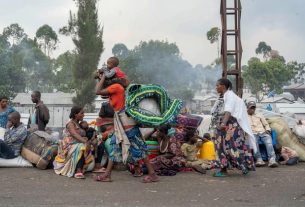
Afghanistan’s humanitarian crisis has deepened as donor governments have cut assistance. More than 17 million people, 40 percent of the population, are projected to face acute food insecurity, while the United Nations Humanitarian Response Plan remains severely underfunded. Sharp reductions in foreign aid from the United States, as well as cuts by the United Kingdom and other donors, have forced humanitarian organizations to reduce programs and scale back their services. The Taliban restrictions on female aid workers, including the requirement that they must be accompanied by a male guardian, have further restricted women’s access to livelihoods and humanitarian assistance.
Iran and Pakistan have forced millions of Afghans to return to the country. Since resuming deportation flights in August 2024, Germany has actively pursued increased deportations to Afghanistan despite the serious risks that returned Afghans continue to face. On June 22, European Union officials hosted a Taliban delegation for the first time in Brussels to discuss migration issues. No government should forcibly return any Afghan who would face the threat of persecution, arbitrary detention, torture, or other serious harm.
Renewed cross-border attacks with Pakistan have caused hundreds of civilian casualties. On March 16, a Pakistani airstrike on the Omid Drug Rehabilitation Center in Kabul killed at least 269 civilians and injured more than 122, according to the UN.
On October 6, 2025, the UN Human Rights Council adopted a landmark resolution creating an independent mechanism to investigate past and ongoing rights abuses in Afghanistan by all groups, including former government and international forces. Governments should ensure that the new mechanism becomes fully operational and has the resources it needs to fulfill its mandate, while supporting other accountability efforts, including the International Criminal Court investigation and national proceedings under universal jurisdiction.
“Afghans, especially women and girls, have endured five years of repression and abuse,” Abbasi said. “The international response should finally match the scale of the crisis by halting deportations to Afghanistan, protecting at-risk Afghans, and sustaining humanitarian funding for Afghanistan.”