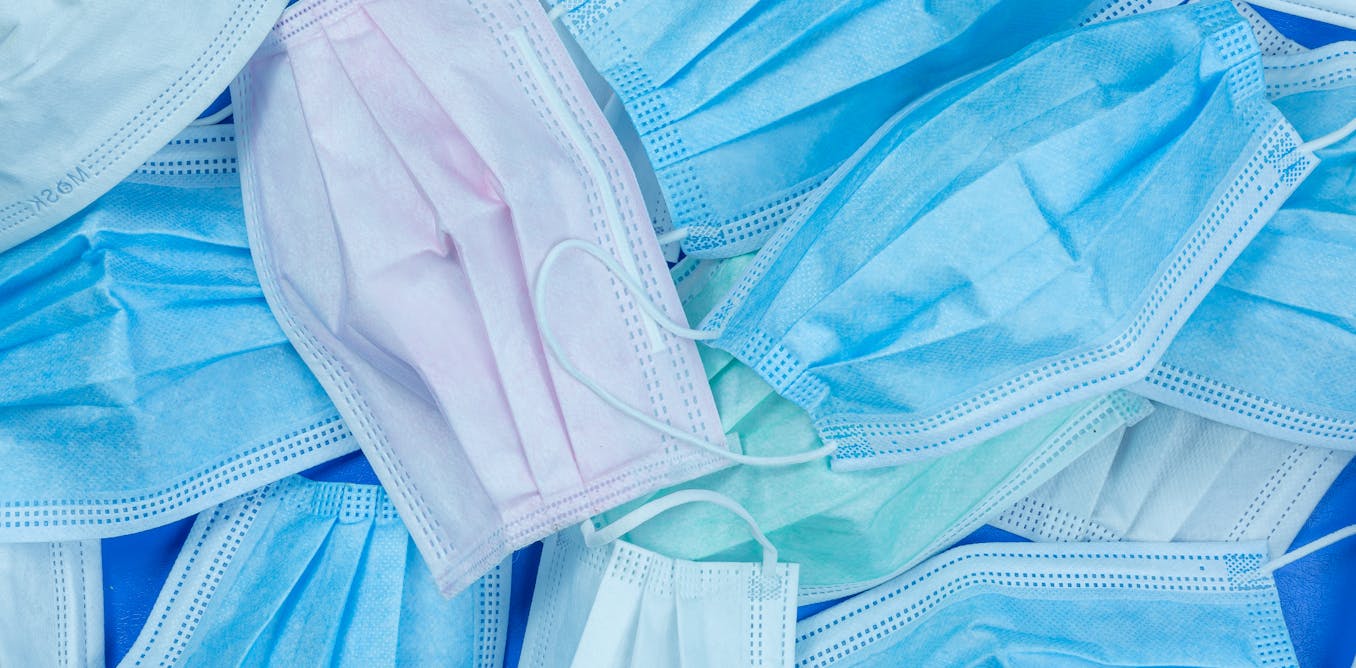
The latest report published as part of the COVID-19 inquiry has found the UK was not adequately prepared for a pandemic.
The report, which looked at the procurement and distribution of personal protective equipment (PPE), found the condition of the UK’s pre-pandemic PPE stockpiles were inadequate and had not been properly means-tested.
The report also found that in England, only around a third of the masks held in the emergency stockpile were immediately usable. The rest of the equipment could not be used as it had either degraded or did not meet COVID-19 specifications.
Wales and Scotland lacked sufficient, high-grade respiratory protection, while Northern Ireland’s limited stock heavily comprised of gloves.
As a result, the government was forced to buy large quantities of PPE within a very short period – but were ill-equipped to do this. Normal checks and procurement procedures came under intense pressure, unfamiliar suppliers entered the market and a controversial “high priority lane” was established, which gave some politically-referred companies favourable access to government contracts.
The rushed response contributed to almost £10 billion being wasted on PPE that was unsuitable, overpriced, surplus to requirements or bought at inflated emergency prices.
Another impact was on the NHS and social care workers, who faced uncertainty over whether suitable protection would be available when needed. Guidance changed as supplies came under pressure, increasing fear among frontline workers and placing both staff and patients at greater risk.
The UK’s lack of pandemic preparedness had been highlighted in a report published back in 2016. Yet many of the weaknesses identified in this report hadn’t been addressed by the time the COVID pandemic arrived.
This shows that the UK’s recurring weakness has not necessarily been an inability to identify risks, but in translating these warnings into tangible action plans.
What lessons must be learned
The UK’s pandemic preparedness is now undergoing reform. In March 2026, the government introduced a new pandemic preparedness strategy. This outlines the measures being taken to improve health protection, surveillance, testing, vaccines and treatments.
The first priority should be understanding where critical products come from and where supply chains are most vulnerable.
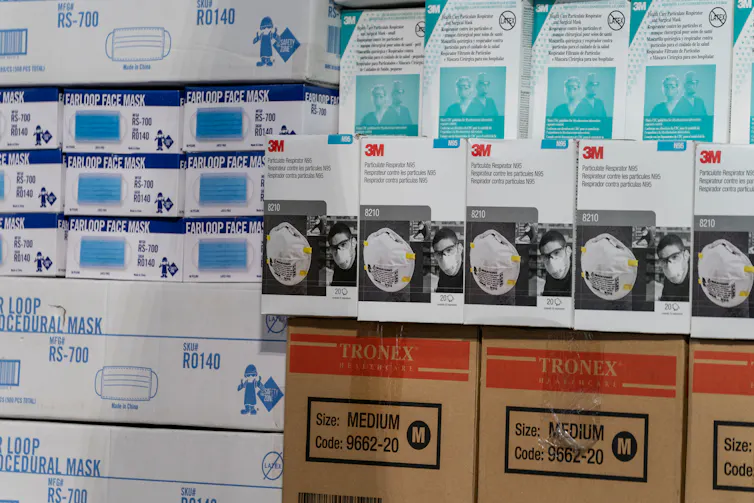
Hospitals and government agencies should map essential medicines, PPE and medical equipment from manufacture through to delivery. This will identify products that depend on one supplier, one country or a small number of factories. Such intelligence would permit measures to be taken to immediately build stockpiles safely and responsibly.
Different disruption scenarios should then be tested. This would allow decision makers to determine which scarce or difficult-to-replace products require larger emergency reserves – and which products can be sourced locally or delivered quickly when needed.
Speed and price should not be the only metrics for procurement decisions. Product quality, supplier reliability, manufacturing location, delivery times and environmental impact are also essential. Practising value based procurement, which aims to trade with suppliers not solely on cost but also their ability to perform well, will help address this.
Supplier diversification is essential as well. The UK should avoid depending too heavily on one company, country or manufacturing region for supplies.
lev radin/ Shutterstock
A stronger system would combine trusted international suppliers with local production, nearshoring and pre-agreed emergency partnerships. Diversification of supply should help reduce shared points of failure.
Clear accountability is equally important. A named organisation or senior leader should be responsible for monitoring critical PPE supplies, responding to warning signals and ensuring recommendations from inquiries and emergency exercises are implemented.
When responsibility is spread across too many organisations, preparedness can become everybody’s concern – with limited visibility and responsibility. Appointing a named specialist to oversee a specific unit or taskforce can raise awareness of the importance of critical supplies and help to address this issue.
This may also help to reduce interdepartmental conflict within the government so that progress can be made.
Plan, test and maintain
A key lesson from the inquiry is that emergency reserves should not be treated as static warehouses. Instead, a resilient system requires visibility, timely information sharing, flexibility and the ability to respond when demand changes.
The NHS and government should know what stock is available, where it’s stored, when it will expire and how quickly it’s being used. This information should be shared across the health system so products can be moved to where pressure is greatest.
But this isn’t about simply holding additional product inventory. Research on pharmaceutical supply chain resilience shows that merely holding additional stock for emergencies is insufficient. This is because demand profiles change during crises and holding stock can drive up supply shortages elsewhere in the system.
NHS procurement teams should also know the most appropriate PPE to buy. For instance, evidence now shows higher-grade respiratory face masks better protect frontline healthcare workers and patients. New intelligence should inform product design and contracting when building future stockpiles.
Better demand forecasting is also needed. Forecasts should combine normal consumption, disease surveillance, population needs and different emergency scenarios. Preparedness must be based on possible surges in demand, rather than on what the NHS uses during normal periods.
Pandemic stockpiles should also be linked to the everyday NHS supply system. Anticipatory stockpiles should be constructed based on robust intelligence, normal consumption, disease surveillance, population needs and different emergency scenarios.
Read more:
Inquiry says COVID lockdowns could have been avoided – they’re right
It will also need to be meticulously managed to avoid product wastage. For instance, in July 2025, the value of expired PPE held in the Pandemic Preparedness stockpile was reported as £12,514,945. More dynamic inventory management would help to stop this happening again.
Pandemic preparedness plans need to be visible and clear. Stockpiles acquired should reassure the public to reduce panic and hoarding. It’s hoped the lessons from the COVID-19 inquiry and ongoing pandemic preparedness exercises will help provide strong guidance for future pandemic preparedness strategies.

The authors do not work for, consult, own shares in or receive funding from any company or organisation that would benefit from this article, and have disclosed no relevant affiliations beyond their academic appointment.