For years, efforts to protect the rights of people with albinism in Malawi have rightly focused on ending horrific attacks, killings, abductions, and grave tampering. These efforts remain essential as attacks continue. But safety alone is not enough.
On June 19, the government announced a new National Action Plan on Persons with Albinism (2026–2030), marking an important shift toward addressing another persistent challenge: economic exclusion.
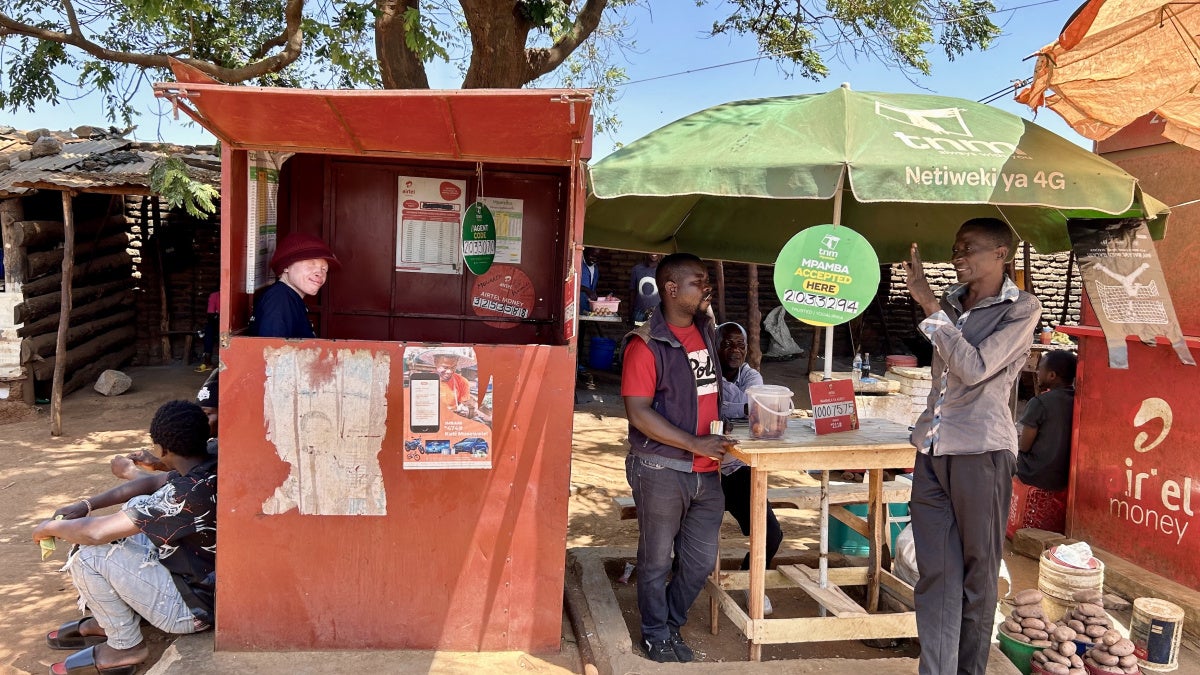
The plan recognizes that poverty is both a cause and consequence of discrimination. It identifies barriers that many people with albinism face, including discrimination in hiring, unsafe and noninclusive workplaces, limited access to capital, and exclusion from social security programs.
Malawi’s previous national action plan (2018–2022) focused primarily on protection from violence, justice, health, and education while largely silent on employment rights and economic discrimination.
The new plan goes much further in tackling some systemic rights violations and their root causes. It includes commitments to expand vocational training, entrepreneurship, and digital literacy programs tailored to people with albinism; improve access to microfinance; promote public and private sector employment opportunities; and ensure that people with albinism, particularly women and older people, are included in social security programs.
These measures were informed by consultations with organizations of people with albinism, civil society groups, the Malawi Human Rights Commission, and Human Rights Watch. Human Rights Watch provided detailed input, including recommendations related to economic inclusion and social security, many of which were included in the plan.
A recent joint report by Human Rights Watch and the Africa Albinism Network documented how stigma and discrimination deny many people with albinism access to decent work and economic security.
The new action plan will not, by itself, end that exclusion. Malawi’s previous action plan demonstrated how ambitious commitments can falter when funding is inadequate and implementation mechanisms are weak. The success of this new plan will depend on sustained political commitment, meaningful participation of people with albinism, and adequate resources.
If fully implemented and properly funded, the plan could become a model for other countries in the region seeking to move beyond protection alone and address the social and economic inequalities that play such a central role in undermining the rights of people with albinism.