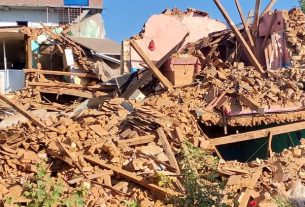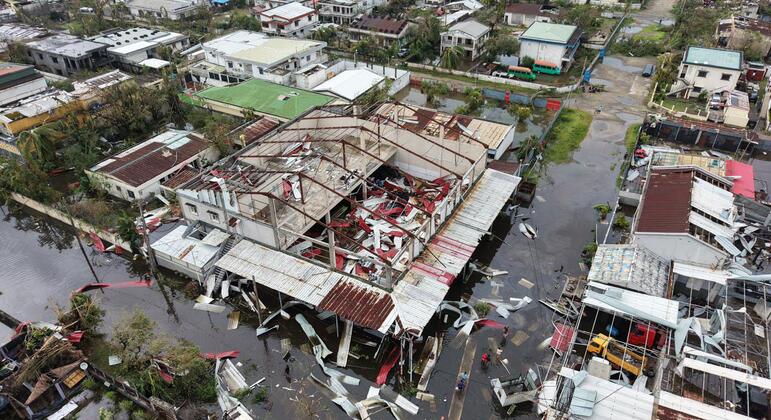
Between 31 January and 10 February, tropical cyclones Fytia and Gezani struck the island nation, causing widespread destruction.
WFP assessments indicate that 1.57 million people in Madagascar are currently food insecure, including 84,000 facing emergency conditions. That figure could rise to 1.8 million in the coming months.
“Families are telling us they have lost everything. Many are sheltering in damaged homes or temporary sites, uncertain about how they will access their next meal,” the agency said.
WFP faces an $18.3 million funding shortfall for its emergency operations over the next six months. It has already reduced planned assistance during the lean season to just 10 per cent of originally targeted beneficiaries, leaving more than half a million people without aid at a critical time.
“This is not just an emergency response moment; we will need sustained support over the coming months to help people recover, rebuild, and strengthen their resilience against further shocks,” the agency added.
Crises deepen humanitarian needs in Colombia
The UN, together with partners and the Government of Colombia, has launched the 2026 Humanitarian Needs and Response Plan to address the country’s complex challenges, including armed conflict, climate-related disasters and migration pressures.
Nearly seven million people – roughly one in eight Colombians – are expected to require assistance this year.
Conflict involving non-state armed groups, now present in 60 per cent of municipalities, mainly in rural areas, has led to forced displacement, confinement and restrictions on movement.
Attacks against civilians rose by 58 per cent last year, with grave violations affecting children, including recruitment, sexual violence and attacks on schools and teachers. Indigenous and Afro-Colombian communities, particularly children in rural areas, have been disproportionately affected.
Climate-related emergencies have compounded the crisis. Recent floods in Córdoba department affected more than 150,000 people.
The 2026 plan seeks $287 million to assist 1.2 million people. In 2025, only 24 per cent of requested funding was received.
Refugee women prepare food in a displacement site in Ouallam, in the Tillaberi region of Niger.
Using AI to predict climate-driven displacement in Africa
Millions worldwide are facing the combined impacts of climate change and forced displacement.
With global temperatures projected to rise by more than 2°C above pre-industrial levels by the end of the century, livelihoods are increasingly at risk, potentially driving more people to move.
While sudden disasters such as floods and storms trigger immediate displacement, slow-onset events – including drought, rising temperatures and sea-level rise – contribute to longer-term migration trends, particularly in vulnerable communities.
To better anticipate these movements, the UN refugee agency (UNHCR) has developed a machine-learning model focused on East, Central and West Africa.
The model analyses refugee and asylum-seeker data to help predict cross-border displacement linked to gradual climate impacts. Internally displaced populations were not included due to data limitations.
UNHCR said the initiative highlights the need for proactive strategies to address the growing intersection of climate change and forced migration.
Fuel shortages in Cuba strain essential services
After Hurricane Melissa swept through Cuba last year, recovery efforts have been further complicated by fuel shortages, which have deepened energy constraints, disrupted water delivery, healthcare and other critical services across the island.
“The Secretary-General has been following the situation in Cuba extremely closely, and I can tell you that he’s very concerned about the situation in Cuba, which is worsening as oil needs continue to be unmet,” UN Spokesperson Stéphane Dujarric said in response to a question at his regular news briefing in New York.
“The General Assembly has consistently called for an end to the embargo imposed by the United States on Cuba. The Secretary-General would like to see all parties pursue dialogue and respect for international law yet again.”
UN teams on the ground are working with the Government to help support the humanitarian relief for the people of Cuba, Mr. Dujarric added.