Note: This is the first part of a two part article series detailing the state of healthcare in the Country, the second part will list and mention billions in aids and government allocations which seems not to reflect on what is presently seen in the sector.
Mounting Crisis
Nigeria’s healthcare sector is at a breaking point, with doctors, nurses, and resident medical staff launching nationwide strikes in 2025 over unpaid salaries, poor welfare, and crumbling infrastructure. The Nigerian Medical Association (NMA) issued a 21‑day ultimatum to the federal government in July, warning of an indefinite strike if demands were not met, while the National Association of Nigerian Nurses and Midwives (NANNM) began a seven‑day warning strike that shut down nursing services in federal hospitals Vanguard News DW thejournalnigeria.com.
By November, the Nigerian Association of Resident Doctors (NARD) escalated matters further, declaring an indefinite strike after repeated negotiations failed. The group cited unpaid allowances, stalled training funds, and broken government promises, leaving surgeries delayed and emergencies unattended across major public hospitals LinkedIn nigerianeyenewspaper.com.
Complaints From Citizens
Patients and advocacy groups have voiced growing frustration over the state of hospitals and clinics, describing facilities as unhygienic, under‑equipped, and unsafe. Reports from DW News and The Journal Nigeria highlight how patients were turned away during strikes, with doctors struggling to cope without nursing support. Citizens complain of paying exorbitant fees for care in facilities that remain in disrepair while wealthier Nigerians increasingly travel abroad for treatment or rely on private hospitals DW thejournalnigeria.com. The general public are questioning where exactly the money paid are ending up as it does not reflect on the existing infrastructure and services provided.
Structural Failures
The crisis reflects deeper structural issues. Analysts note that decades of underfunding, poor oversight, and migration to countries with better economic and political climate have hollowed out Nigeria’s healthcare system. Emergency services are described as “almost non‑existent,” leaving the majority of the population vulnerable. The Ministry of Health, responsible for salaries and infrastructure oversight, has been criticized for failing to ensure that lifesaving facilities are properly maintained and staffed LinkedIn thejournalnigeria.com.
Calls for Oversight and Reform
Health unions and civil society groups are urging international bodies such as the World Health Organization (WHO) to intervene, stressing that healthcare is a fundamental right. They argue that Nigeria, as one of Africa’s largest economies, should be capable of delivering world‑class medical infrastructure and workforce support. Without urgent reforms, experts warn that the strikes and systemic neglect could lead to a total collapse of public healthcare services.
Outlook
The ongoing strikes and widespread complaints underscore the need for comprehensive reform, stronger oversight, and reliable funding mechanisms. Unless decisive action is taken, Nigeria risks deepening inequality in access to healthcare, with the majority of citizens left in precarious conditions while only the wealthy secure adequate treatment abroad.
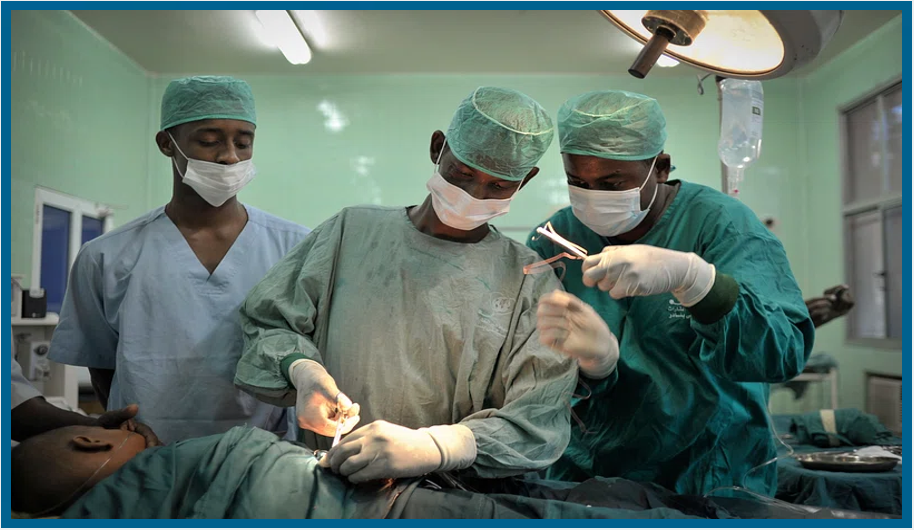
Medical doctors conducting surgery picture from Rawpixel