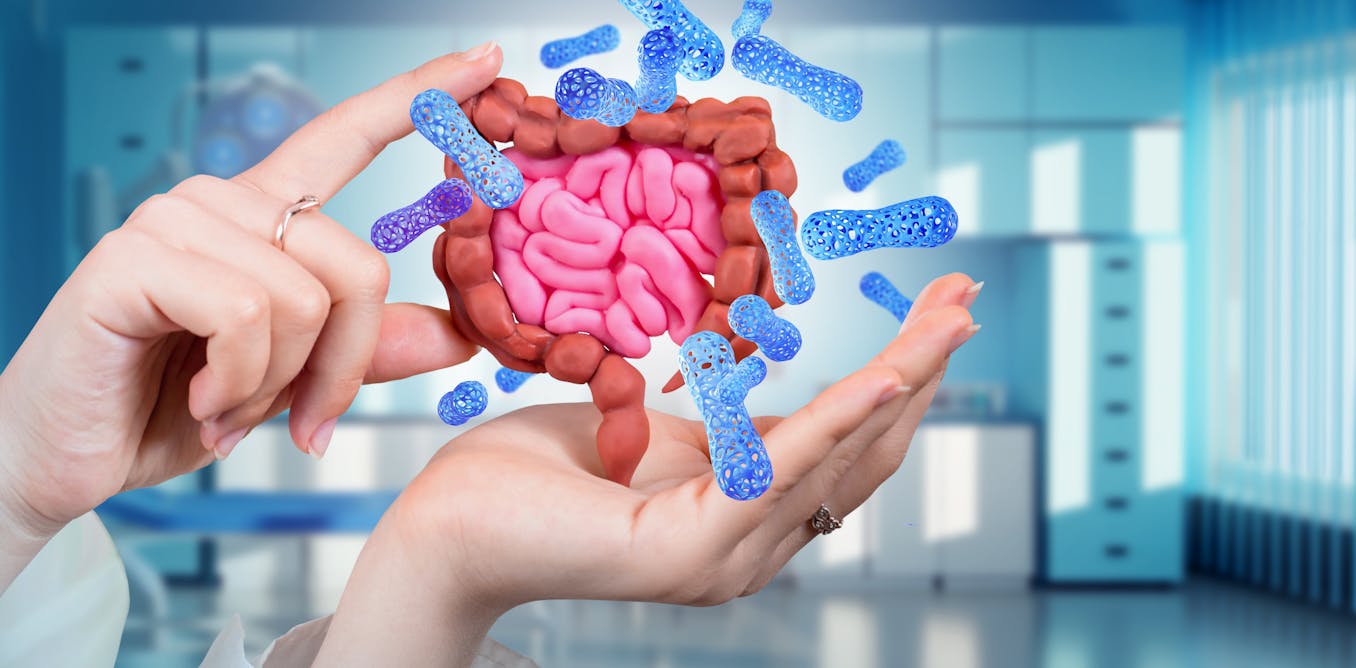
The gut microbiome plays an important role in many aspects of health, from digestion and immune function to metabolic balance and neurological processes.
Several diseases have even been associated with changes in the microbiome’s composition, including inflammatory bowel disease, colorectal cancer, obesity and mental health disorders. As links between gut microbes and disease grow stronger, scientists are now looking at the emerging connection between the gut and the heart.
Heart disease remains the leading cause of death globally. Factors such as smoking, high blood pressure, obesity and diabetes are known to be risk factors. But researchers are increasingly finding that the balance of microbes in our gut may shape how these risks develop, and how heart disease progresses.
This newly recognised association, termed the “gut-heart axis”, has gained traction in recent years. It may help explain why diet and heart disease are so closely intertwined.
Large studies show that people with cardiovascular disease have distinct gut microbiome profiles compared with healthy people.
While no single “heart disease microbe” has been discovered, cardiovascular disease is consistently associated with a few key factors. These include reduced microbial diversity, loss of beneficial bacteria and an overgrowth of microbes linked to inflammation.
Microbial diversity refers to the variety and balance of different microbes living within the gut. Growing evidence suggests that a reduction in microbial diversity reflects deteriorating microbiome health, and may signal the onset of disease.
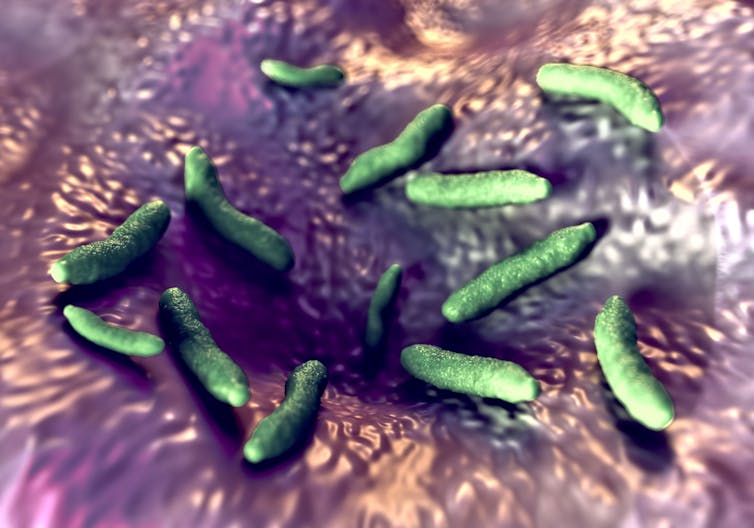
One recent paper examined the results from 67 studies that explored the gut microbiome in several cardiovascular diseases, comparing over 6,000 patients with acute coronary syndrome, atrial fibrillation, coronary artery disease, heart failure or stroke with healthy people. It showed that people with cardiovascular disease consistently had lower levels of the beneficial fibre-fermenting bacteria Faecalibacterium.
PRB Arts/ Shutterstock
Microbial fingerprints of heart disease
Your gut microbes act as miniature factories that break down food components. In doing so, they produce hundreds of small molecules called metabolites, which can be taken up by other microbes or absorbed through the intestine into the blood stream. While some of these metabolites are beneficial to the body, others can be harmful in excess.
So, alongside studying what microbes are present in patients with cardiovascular disease, scientists are also looking at metabolites to understand what effect these can have on health.
One of the strongest links between the gut microbiome and heart disease involves a metabolite called TMAO (trimethylamine N-oxide). Certain gut bacteria convert nutrients found in red meat, eggs and dairy into a metabolite called trimethylamine (TMA). The metabolite is then processed by the liver and turned into TMAO.
High levels of TMAO in the blood have been associated with increased risk of heart attack, stroke and death from cardiovascular disease. Importantly, TMAO production varies between people depending on the type of microbe. This means two people can eat the same food but produce different amounts of this potentially harmful compound.
But not all gut-derived metabolites are harmful. Some may actually protect the heart.
A growing body of research is investigating indoles – compounds made when gut bacteria break down tryptophan. Tryptophan is an essential amino acid found in protein-rich foods such as poultry, eggs, dairy and nuts. It plays an important role in mood, sleep patterns and appetite.
The majority of tryptophan is absorbed by the body. But a small fraction of this amino acid is also broken down by gut bacteria and transformed into indole-derivatives. While some of these can contribute to inflammation under certain conditions, others appear to have powerful cardioprotective benefits.
One of the most promising is indole-3-propionate (IPA), which is thought to be produced mainly by the bacteria Clostridium sporogenes. Several studies have shown that people with higher blood levels of IPA have lower rates of type 2 diabetes and cardiovascular disease.
IPA also strengthens the gut barrier. This prevents harmful microbial products from leaking into the bloodstream. Research is ongoing to fully understand how and why tryptophan is broken down into beneficial or harmful metabolites.
Prevention and treatment
The discovery that our gut microbes help shape cardiovascular risk is transforming how scientists think about prevention and treatment. Researchers are now exploring how microbial “fingerprints” could one day be used in combination with known risk factors to identify people at risk, long before symptoms appear.
In the future, beneficial gut microbes (probiotics) could be used therapeutically to slow cardiovascular disease progression or eliminate microbes known to contribute to disease onset.
While this science is still emerging, it’s clear that the gut microbiome should be viewed as part of the whole body system that shapes our overall health. It points towards a powerful idea: caring for your heart may start not just with what you eat, but with how your gut microbes process it.

Fiona Newberry receives funding from British Heart Foundation.