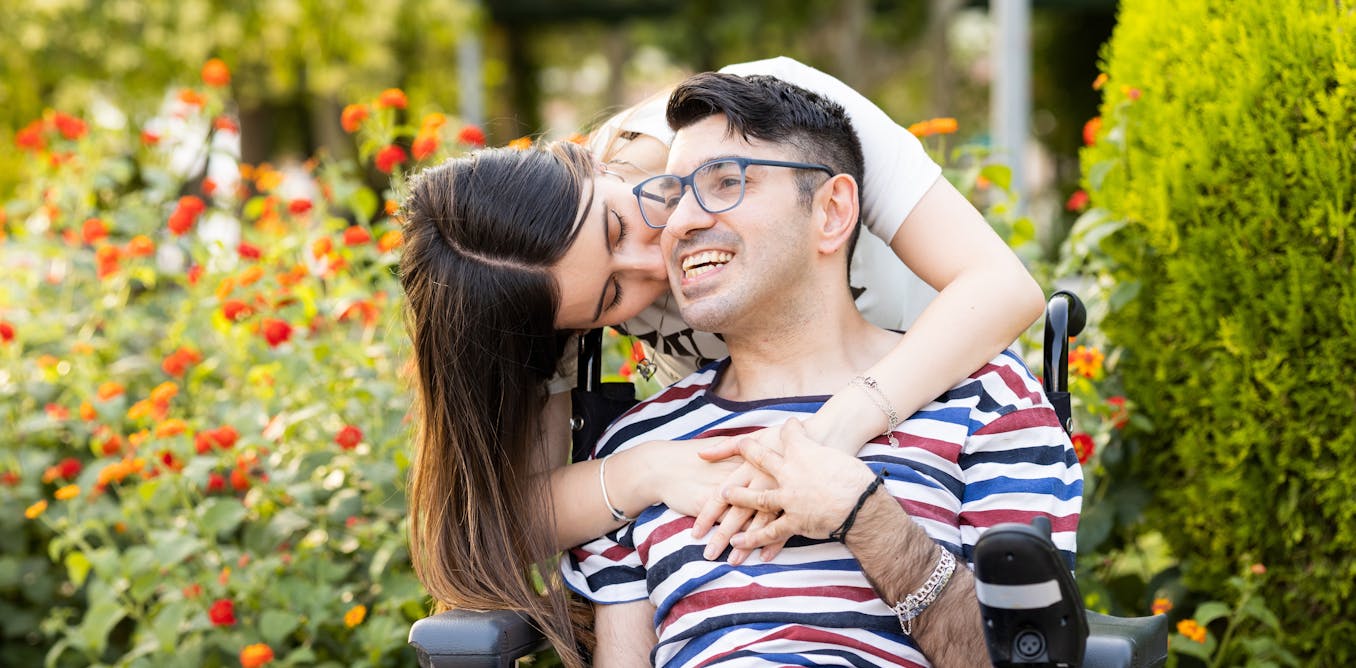
Until relatively recently, children and young people with life-shortening conditions were not expected to survive into adulthood.
Conditions such as cancer, cystic fibrosis and Duchenne muscular dystrophy were widely understood, particularly in the late 20th century and early 2000s, as diagnoses that would likely result in death during childhood or adolescence. Today, there are more than 400 recognised life-shortening conditions, and many infants and children with these diagnoses still do not reach adulthood.
However, advances in medical treatment, specialist care and assistive technologies have begun to change this picture. Increasing numbers of children and young people with life-shortening conditions are now living into adulthood, sometimes well beyond what clinicians and families were originally told to expect.
Although most young adults with these conditions still face shorter lives, increased life expectancy has made new aspects of social and family life possible. This includes the opportunity to think about sexual relationships, intimacy and reproduction.
For the past 15 years, I have worked with colleagues in the Sexuality Alliance, which advocates for the sexual and reproductive rights of disabled young people living with life-shortening conditions.
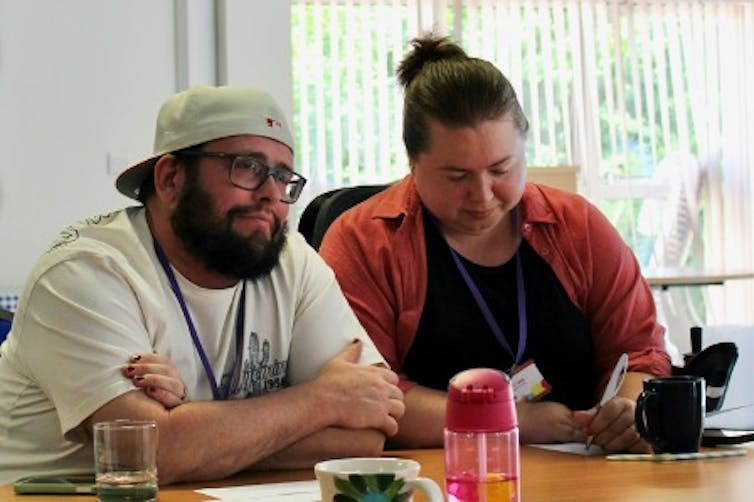
Alison Cooke, CC BY
Our research, which was co-produced with disabled young people, shows that many feel unsupported and overlooked when it comes to their sexual and reproductive lives. Families and carers often report feeling unprepared.
In many cases, they had been told that their child would die, only to find that they were continuing to live, becoming teenagers and then adults. Professional staff, including nurses, doctors and therapists, were often unaware of these issues or felt anxious about addressing them.
The risk of death remains a constant presence in the lives of young adults with life-shortening conditions. Uncertainty shapes everyday experience, but it is not always at the forefront of how young people understand themselves.
The young people we interviewed told us that they want to live life to the full, and that this includes exploring sexual intimacy and forming romantic relationships. They described this as a normal part of growing up, and many saw it as a rite of passage. They also explained how important intimacy can be for both physical and emotional wellbeing.
One participant said that being in a relationship gave him a reason to live. Another said it helped him stay healthy by reducing loneliness and depression. For many participants, taking part in our research was the first time they had ever been able to talk openly about this part of their lives.
Addressing the sexual and reproductive citizenship of disabled young people who were not expected to live into adulthood is sensitive work because it confronts longstanding taboos around sexuality, youth and death. Disabled people frequently reported feeling marginalised, infantilised and treated as asexual. Many participants felt they were seen primarily as vulnerable rather than as people with desires, agency and rights.
They also told us that safeguarding practices, which are intended to protect vulnerable people and the organisations that support them, could sometimes unintentionally reinforce silence. Many had little or no access to sex education.
One young person explained that she had been removed from sex education at school. This was not only because she was expected to die, but also because staff believed the topic might distress her or be inappropriate. The result was the same: exclusion from information that her peers received.
Families, carers and professionals are well placed to support young people in realising their sexual and reproductive citizenship, but many report lacking the training or confidence to do so. A starting point is to challenge everyday disablist assumptions that presume disabled people cannot, should not, or do not want to have sex or children.
As part of our work, we co-produced resources to help young people and carers talk openly about sex and intimacy.
These resources encourage carers to reflect on their own attitudes and beliefs. They also provide a clear legal overview of issues such as consent and mental capacity, helping professionals feel more confident. Young people are supported to understand their rights and responsibilities, and to develop the skills needed for honest conversations about their sexual and reproductive wishes.
Despite the risks and uncertainties they face, many young people see intimacy and relationships as central to their wellbeing and identity. This work highlights the need to challenge disablist assumptions, improve access to inclusive sex education, and equip carers and professionals with the tools to support young people in realising their sexual and reproductive rights.

Sarah Earle does not work for, consult, own shares in or receive funding from any company or organisation that would benefit from this article, and has disclosed no relevant affiliations beyond their academic appointment.