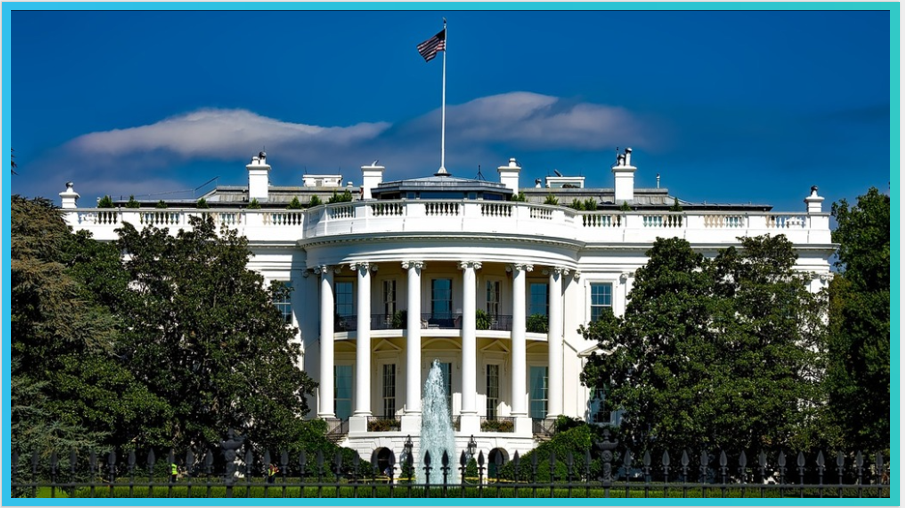
WASHINGTON, D.C. — In a pivotal moment for Western Hemisphere diplomacy, the White House confirmed Monday that President Donald Trump will host Venezuelan opposition leader María Corina Machado this Thursday, January 15, 2026.1 The high-stakes meeting comes as the interim administration in Caracas, led by acting President Delcy Rodríguez, accelerates the release of political prisoners under mounting pressure from Washington.2+1
The summit marks the first face-to-face encounter between Trump and Machado, the 2025 Nobel Peace Prize laureate, since the dramatic U.S. military operation on January 3 that resulted in the capture and extradition of former President Nicolás Maduro.3
A Strategy of “Absolute Resolve”
The meeting follows a turbulent fortnight in which U.S. forces “Operation Absolute Resolve” effectively dismantled the Maduro regime’s upper echelons. While Machado remains the face of the democratic opposition, the Trump administration has taken a pragmatic—and controversial—approach to the immediate transition.
- Interim Realities: Despite Machado’s international stature, President Trump has so far declined to endorse her as the next head of state, citing a need for “broader domestic support.”4 Instead, Washington has maintained working ties with Delcy Rodríguez, who was sworn in as interim president on January 5.5+1
- Oil for Peace: The administration’s primary focus remains the restoration of Venezuela’s energy infrastructure. President Trump recently noted that “Wave 2” of planned military strikes was cancelled specifically because the current leadership in Caracas began cooperating on oil access and prisoner releases.6
- The Nobel Factor: Machado has publicly offered to “share” or dedicate her Nobel Prize to Trump in recognition of Maduro’s ouster—a gesture the President called “a great honor,” despite the Nobel Committee’s insistence that the award is non-transferable.7
The Prisoner Release: A Symbolic “Goodwill Gesture”
As of Monday evening, the Venezuelan government reported that 116 political prisoners have been freed in recent hours. Human rights groups, including Foro Penal, remain cautious, noting that over 800 individuals still remain behind bars and that the pace of release must increase to satisfy U.S. demands.
| Key Metric | Status (as of Jan 12, 2026) | Impact |
| Prisoners Released | ~116 (Reported by Caracas) | Partial de-escalation of U.S. pressure |
| Oil Production | Resuming under U.S. guidance | Direct boost to global energy markets |
| U.S. Embassy8 | Technical teams assessing reopening9 | Signal of normalized diplomatic relations10 |
Geopolitical Stakes: The Path to Democracy
Thursday’s meeting will likely center on the timeline for free and fair elections—a point of contention between the opposition, which demands an immediate transition, and the Trump administration, which has suggested the U.S. may “run” or heavily oversee the country for a period of years to ensure stability.11
Machado’s visit to Washington follows a private meeting with Pope Leo XIV at the Vatican, where she urged the Holy See to intercede on behalf of the hundreds of Venezuelans who remain “kidnapped” in state custody.12
The Bottom Line: A Managed Transition
The Trump-Machado summit represents a delicate balancing act for the White House. While Machado provides the moral and democratic legitimacy the U.S. needs to justify its intervention, the administration is clearly prioritizing stability and energy security through its uneasy alliance with the Rodríguez-led interim government. Thursday will reveal whether Machado can convince Trump that a civilian-led, democratic transition is a more viable long-term bet than a managed, military-backed protectorate.