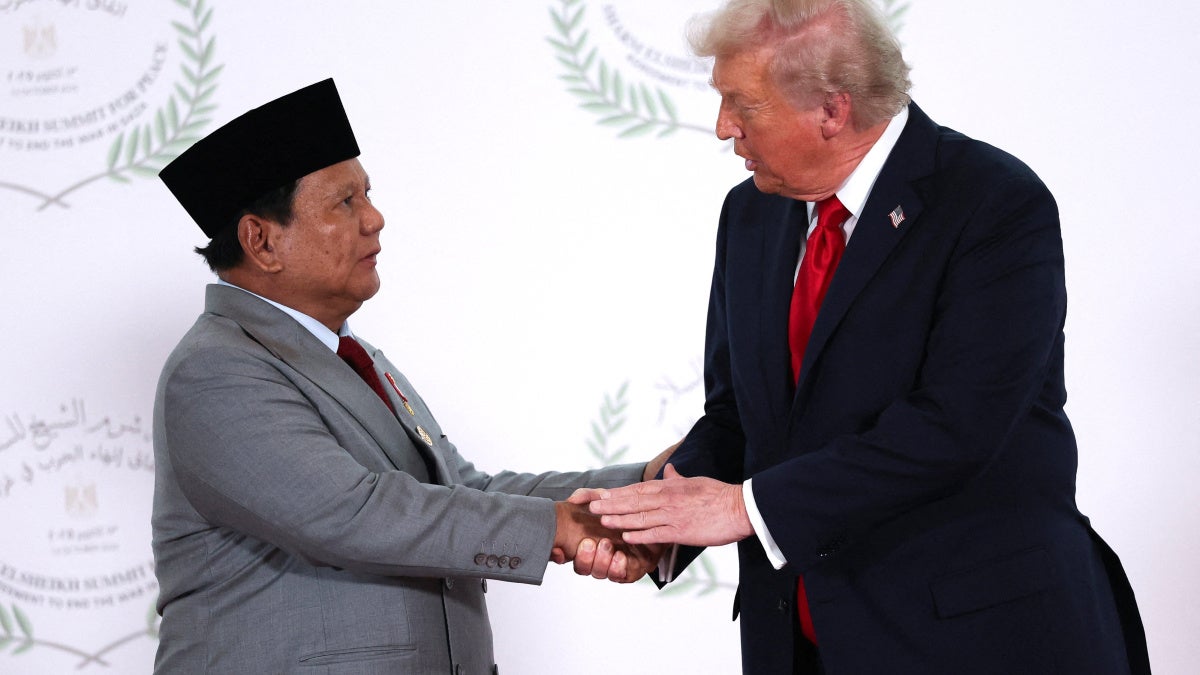
On February 20, Indonesia and the United States agreed to a new trade deal, with US$15 billion specifically allocated for fossil fuel imports. This deal is part of a broader series of global fossil fuel agreements promoted under the US “Energy Dominance Agenda,” which aims to expand domestic fossil fuel production and boost exports. Key provisions of the Indonesia-US Reciprocal Trade Agreement include a significant share of Indonesia’s current energy imports—oil, liquefied petroleum gas, and metallurgical coal—and favor US investment in Indonesia’s mining sector, echoing recent US-backed deals in the Democratic Republic of Congo and elsewhere.
Environmental experts warn the agreement pushes Indonesia further away from fulfilling its international climate and human rights obligations. Atina Rizqiana of CELIOS, a Jakarta-based research group, said that the deal “represents a significant setback in the energy transition agenda.” Provisions on fossil fuel imports raise concerns about Indonesia’s commitment to phase out fossil fuels. Despite earlier commitments to phase out coal under the $20 billion Just Energy Transition Partnership— an international financing mechanism to support the country’s energy transition—President Prabowo Subianto’s government has already approved a significant increase in coal generation.
The import of US fossil fuels comes as Southeast Asian countries, including Indonesia, have significantly expanded Liquified Natural Gas (LNG) import infrastructure, and new investor involvement in LNG projects could lock the country into decades of fossil fuel dependence. Meanwhile, the Indonesian government has done little to promote renewable energy in electricity generation and mineral processing, or to prevent human right abuses in communities located near coal mines and nickel smelters.
The deal also exposes Indonesian and American companies to human rights due diligence risks. US investors shouldexercise caution when considering investments in the Indonesian nickel sector, which has been tainted with serious rights abuses. At the same time, US exports of metallurgical coal to Indonesia may carry additional human and environmental costs, particularly as the Donald Trump administration has pursued deregulation in the fossil fuel industry, rolling back key climate and public health protections.
Countries reaching energy deals with the US government should recognize the broader implications. They risk losing credibility on climate and human rights and jeopardizing financial resources needed for a safe and equitable energy transition.