TEHRAN/JERUSALEM — The Middle East stands at a historic crossroads as conflicting reports emerge regarding the fate of Iran’s Supreme Leader, Ayatollah Ali Khamenei, following a series of devastating joint U.S.-Israeli airstrikes. While Israeli media outlets and high-level security sources claim the 86-year-old leader has been killed, Iranian officials have issued a string of defiant denials, insisting the “Supremo” remains in good health.
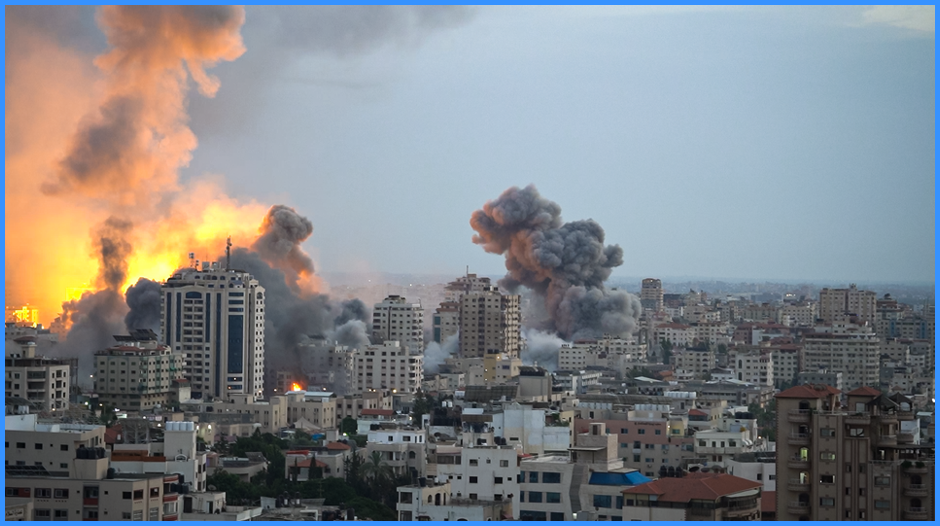
The ambiguity follows “Operation Epic Fury,” a massive daylight assault on Saturday, February 28, 2026, that targeted the symbolic and operational heart of the Islamic Republic.
The “Decapitation” Strike
Israeli media, including Channel 12 and i24 News, first reported on Saturday evening that the IDF possesses “evidence” of Khamenei’s death following a direct hit on his secure Tehran compound. Satellite imagery verified by the New York Times confirms extensive damage to the residence.
- The Israeli Assessment: Prime Minister Benjamin Netanyahu stopped short of an absolute confirmation but stated there are “many signs” that Khamenei is no longer alive, urging the Iranian people to “finish the job” and topple the regime.
- The Iranian Denial: Foreign Minister Abbas Araghchi told NBC News that Khamenei is alive “as far as I know” and that all high-ranking officials are in their positions. However, a promised public address from the Supreme Leader—slated to happen “within minutes” of the initial reports—has yet to materialize.
High-Level Casualties Confirmed
While the fate of the Supreme Leader remains contested, Reuters has reported that at least two of Iran’s top military figures have been killed in the strikes. According to three sources familiar with the operations:
- Amir Nasirzadeh: Iran’s Defense Minister and a former fighter pilot, Nasirzadeh was reportedly at a command center that sustained a direct hit.
- Mohammed Pakpour: The commander of the Islamic Revolutionary Guard Corps (IRGC), who took over in 2025, is also believed to have been killed.
- Intelligence Crisis: Reports from The Washington Post suggest that top commanders at Iran’s main intelligence agency were also targeted, inducing “panic” within the security ranks.
A Regime on the Brink
The strikes represent the most ambitious attempt to alter the Iranian political landscape since the 2003 Iraq War. President Donald Trump, who confirmed “major combat operations,” has invited Iranian security forces to lay down their weapons and called on civilians to “take over” the government once the bombing concludes.
As Tehran grapples with a reported death toll of over 201 people, the silence from the Supreme Leader’s office is being viewed by regional analysts as a potential indicator of a massive power vacuum. Under Article 111 of the Iranian Constitution, if Khamenei is confirmed dead, a three-member council would temporarily assume his duties—a transition that would occur amidst the smoke of active warfare and a retaliatory “True Promise” missile campaign targeting U.S. bases across the Gulf.
Bombed-building-Picture-by-Jaber-Jehad-Badwan.