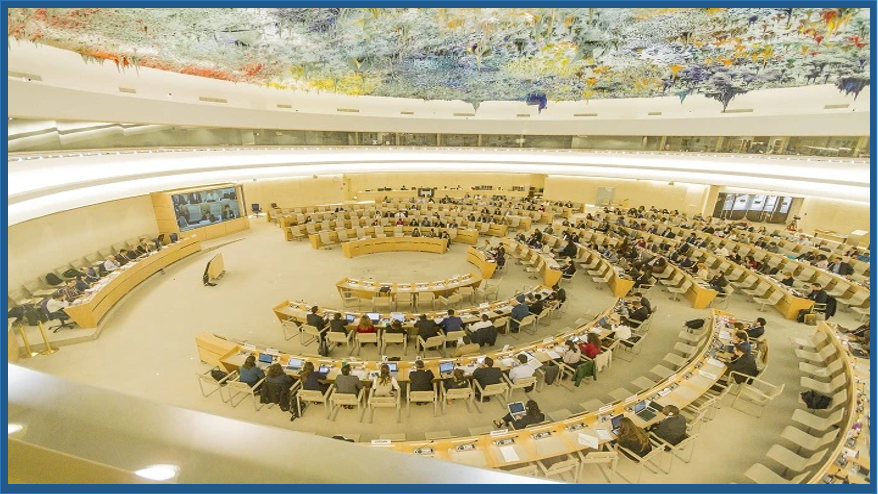
The United Nations Security Council (UNSC) is meeting in an emergency session today, January 5, 2026, to address the geopolitical shockwaves following the U.S. military operation and capture of Nicolás Maduro. Convened at the request of Colombia and backed by permanent members China and Russia, the 10:00 AM briefing in New York represents a pivotal moment for international law and regional stability.
UN Secretary-General António Guterres has already characterized the U.S. rendition as a “dangerous precedent,” warning that the rules of international law may not have been respected.
The Agenda: Sovereignty vs. Enforcement
The open briefing, titled under the agenda of “Threats to international peace and security,” centers on the legality of the January 3 operation that removed Maduro and his wife, Cilia Flores, from Caracas.
- The U.S. Justification: Washington contends the raid was a law enforcement action based on a superseding narco-terrorism indictment. President Trump has asserted that the U.S. will oversee a “safe and proper transition” in the country.
- The Venezuelan Accusation: In a formal letter to the Council, Venezuelan representatives condemned the move as a “colonial war” intended to plunder natural resources, citing a direct violation of Article 2(4) of the UN Charter, which prohibits the use of force against territorial integrity.
- The “Gunboat Diplomacy” Fear: Diplomats from several Latin American nations, including Brazil and Mexico, are expected to express concerns over the revival of unilateral military interventionism in the Western Hemisphere.
The Council Split
The emergency meeting highlights deep ideological fissures among the 15-member body:
| Bloc | Key Members | Primary Stance |
| Opponents of Action | China, Russia, Colombia | Direct condemnation of “armed aggression” and violation of sovereignty. |
| Western Allies | US, UK, France | Focus on the illegitimacy of Maduro’s rule and his history of human rights abuses. |
| Regional Observers | Brazil, Argentina, Mexico | Demanding restraint and adherence to the UN Charter while navigating internal divisions. |
Immediate Fallout and Casualties
Beyond the diplomatic theater, the human cost of the operation is coming into focus. While the U.S. reports zero American fatalities, Venezuelan officials have released preliminary figures indicating that at least 80 people—including civilians and members of Maduro’s security detail—were killed during the strikes.
Under-Secretary-General for Political and Peacebuilding Affairs Rosemary DiCarlo is expected to brief the Council on the potential for a humanitarian crisis, as the FAA has banned U.S. aircraft from the region and power outages continue to plague parts of Caracas.
What Happens Next?
While the Council is unlikely to reach a consensus on a formal resolution due to the U.S. veto power, the session serves as a critical temperature check for the international order. As Delcy Rodríguez assumes the interim presidency in Caracas and Maduro awaits a Manhattan federal court appearance, the world watches to see if the UN can navigate a “might makes right” scenario or if the era of multilateralism has entered a new, more volatile phase.
United Nations Security Council (UNSC) Picture by Víctor Barro