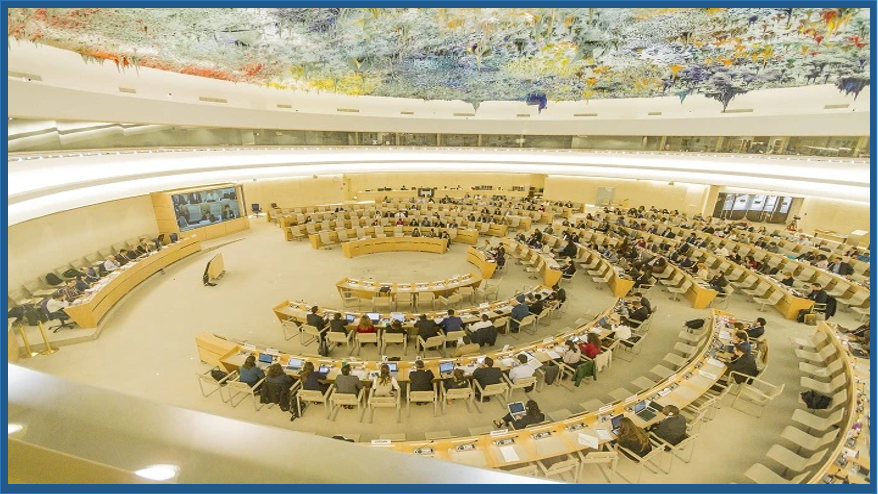
GENEVA — In a move described by international legal experts as a potential “Nuremberg moment,” the United Nations Human Rights Council convened a high-stakes emergency session on Friday, January 23, 2026. The 39th Special Session was called to address an “unprecedented” wave of state-led violence in Iran, where a crackdown on nationwide protests that began on December 28, 2025, has left thousands dead and the country in a state of digital and physical siege.
The session, backed by more than 50 nations including the European Union and the United States, focused on documenting what UN High Commissioner for Human Rights Volker Türk called “brutality that continues even as the killing on the streets subsides.”
The Toll: Conflicting Figures Amid “Digital Darkness”
A primary challenge for the Council has been verifying the scale of casualties due to a total internet blackout imposed by Tehran on January 8. While the Iranian government officially acknowledged 3,117 deaths on Wednesday, independent monitors and the UN Special Rapporteur suggest a far more harrowing reality.
- Verified Fatalities: The Human Rights Activists News Agency (HRANA) has verified 5,002 deaths as of Friday.
- NGO Estimates: International human rights groups, citing medical networks and makeshift morgues, estimate the toll is likely between 12,000 and 20,000, with some reports from The Sunday Times and NewsNation suggesting figures as high as 30,000.
- Injuries and Detentions: Over 26,752 people have been arrested, while medical facilities report thousands of injuries, including a systematic pattern of pellet wounds to the eyes.
“Calculated Brutality”: Evidence of Systemic Abuse
Addressing the Council, Türk highlighted a “chilling” shift in tactics. He provided indications that security forces have pursued wounded protesters into hospitals for arrest and have opened criminal cases against prominent athletes and actors who voiced support for the movement.
“The violent repression of the Iranian people does not solve any of the country’s problems,” Türk warned. “It instead creates conditions for further human rights violations, instability, and bloodshed.”
| Enforcement Tactic | UN Observation / Evidence |
| Lethal Force | Verified footage shows security forces firing live ammunition from rooftops into unarmed crowds. |
| Medical Neutrality | Reports of “abduction” of the wounded from hospitals and interference with emergency responders. |
| Due Process | Use of “summary trials” and threats of mandatory death sentences for thousands of detainees. |
| Communications | A systematic, nationwide blackout used to obscure the scale of the crackdown. |
The Global Response and Legal Pathways
The session culminated in a motion to extend the mandate of the Independent International Fact-Finding Mission (FFM) for an additional two years. Crucially, the resolution also launches an “urgent investigation” specifically into the events of late December and early January, with the explicit goal of preserving evidence for “potential future legal proceedings” in international courts.
The geopolitical temperature remained high as President Donald Trump confirmed that a “massive fleet” of U.S. military vessels is heading toward the region, following his claims that American pressure had previously halted several hundred executions—a claim Tehran’s top prosecutor dismissed as “completely false” on Friday.
Despite Iran’s ambassador, Ali Bahreini, rejecting the session as a “pressure tool” and illegitimate, the UN’s message was clear: the cycle of systemic impunity must end. As former UN prosecutor Payam Akhavan noted before the body, the international community is finally setting the stage for transitional justice.
United-Nations-Security-Council-UNSC-Picture-by-Victor-Barro