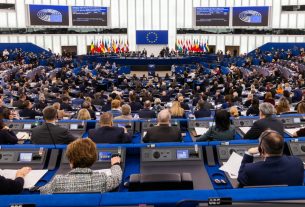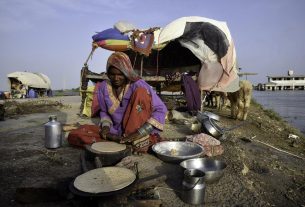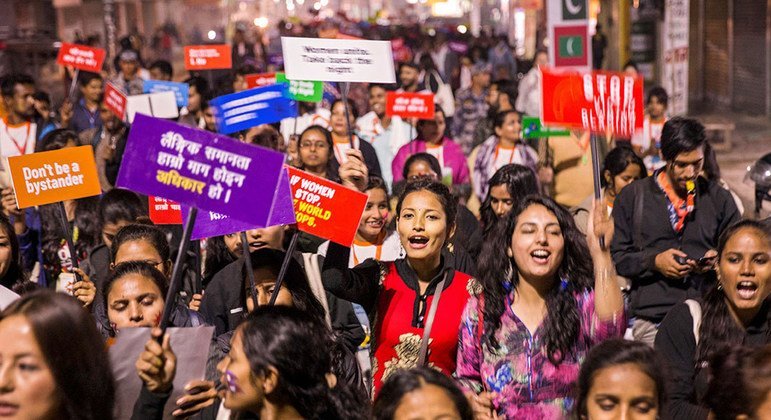
Taking place from 9 to 19 March, the Commission’s 70th session (CSW70) focuses on the priority theme ‘ensuring and strengthening access to justice for all women and girls,’ including by promoting inclusive legal systems, eliminating discriminatory laws and addressing structural barriers that prevent women from claiming their rights.
A question of power
Speaking at the opening of the session, Secretary-General António Guterres warned that despite decades of progress, inequality remains deeply entrenched.
“We still live in a male-dominated world and a male-dominated culture,” he said, stressing that gender equality “is – and always has been – a question of power.”
He noted that women globally hold only 64 per cent of the legal rights enjoyed by men and that justice remains “a distant dream for millions upon millions of women and girls.” Discriminatory laws and patriarchal norms continue to limit opportunity, he said, while conflict, climate change and widening inequality are intensifying the challenges.
“Justice for women and girls must be a cornerstone of the world we seek to build,” he told delegates.
Secretary-General António Guterres addresses the opening of 70th Session of the Commission on the Status of Women.
Change is possible
UN Women Executive Director Sima Bahous cautioned that advances toward equality are moving far too slowly, warning that the global gap in legal protections for women and girls could still take centuries to close.
Member States and partners gathered at the Commission represent “the most powerful of constituencies”, she said, adding: “That power is more than sufficient to make a difference, more than sufficient to transform lives.”
Looking ahead to the selection of the next UN Secretary-General, she also pointed out that Member States will soon face another historic choice.
“This year, delegates will be electing a new Secretary-General,” she said. “We at UN-Women will be proud to serve and work with a Madam Secretary-General.”
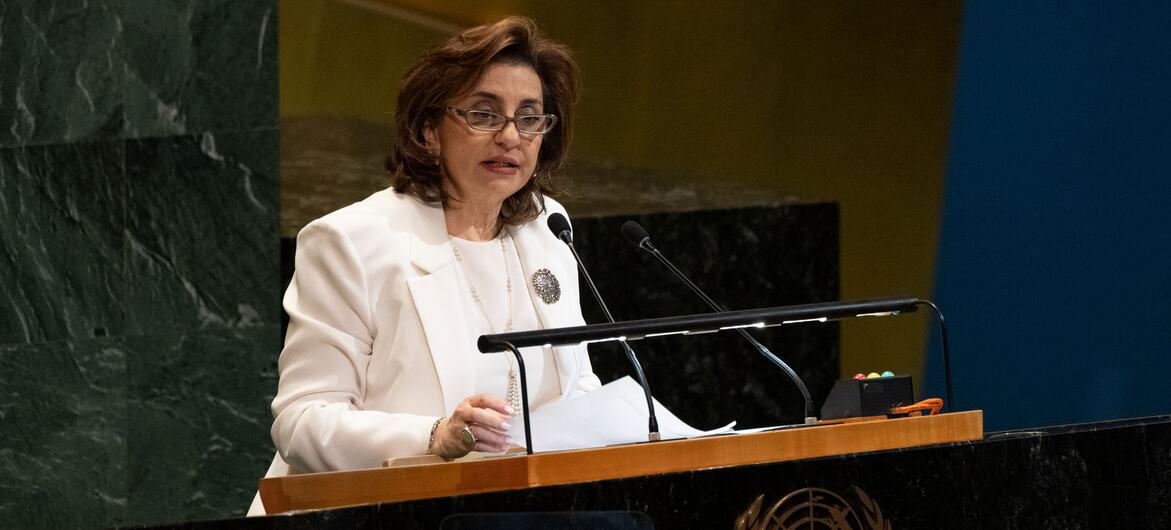
Sima Sami Bahous, Executive Director of UN Women, addresses the opening of 70th Session of the Commission on the Status of Women.
Advancing women’s rights since 1946
The Commission on the Status of Women (CSW), established in 1946, is the UN’s principal intergovernmental body dedicated to promoting gender equality and the empowerment of women and girls.
Each year it brings together governments and civil society representatives to assess global progress, shape international standards and agree on policy recommendations to advance women’s rights.
The body played a key role in developing landmark frameworks such as the Beijing Declaration and Platform for Action, adopted in 1995, which remains the most comprehensive global agenda for achieving gender equality.
Why progress is still falling short
President of the General Assembly Annalena Baerbock said the world no longer needed to debate the importance of women’s rights, but rather why progress remained incomplete.
“After 70 sessions of this Commission on the Status of Women, and 30 years since the Beijing Declaration, we no longer need to debate why women’s rights matter,” she said. “The real question is: why are we still not delivering?”
Globally, women have only about two-thirds of the legal rights afforded to men, she noted, adding that many countries still lack laws mandating equal pay for equal work or protecting girls from child marriage.
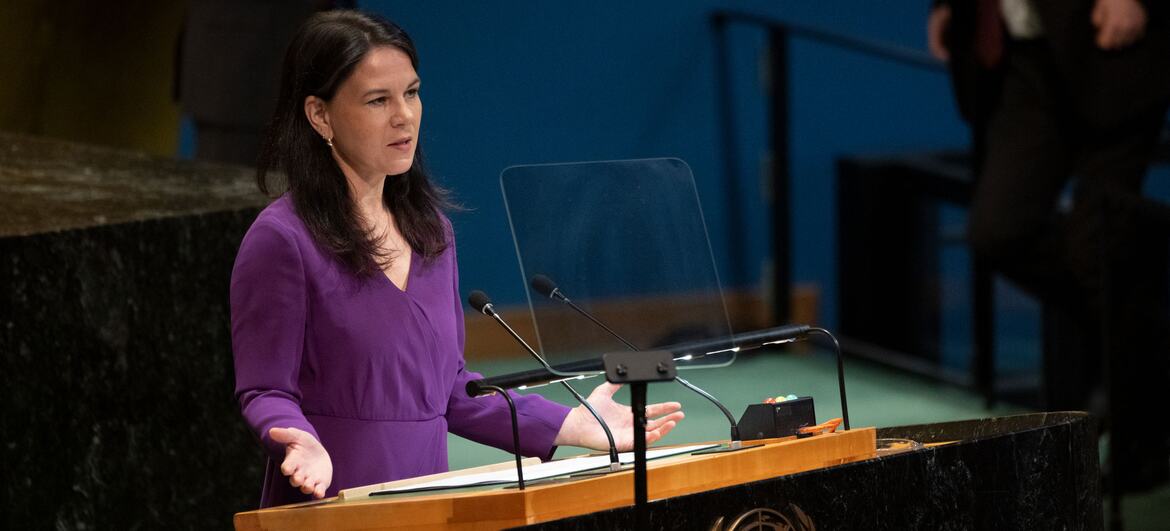
General Assembly President Annalena Baerbock addresses the opening of 70th Session of the Commission on the Status of Women..
Justice must work for every woman, every girl
Economic and Social Council (ECOSOC) President Lok Bahadur Thapa echoed the concern that progress toward gender equality remains slow, emphasizing that legal reforms alone are not enough.
“Equality is not achieved simply by adopting laws alone,” he said. “It is achieved when justice systems work in practice – for every woman and every girl.”
He noted that the Commission plays a central role within the UN system, bringing together governments, civil society and international partners to advance gender equality and inform broader development efforts, including the High-Level Political Forum on Sustainable Development (HLPF) and future global reviews of progress toward the Sustainable Development Goals (SDGs).
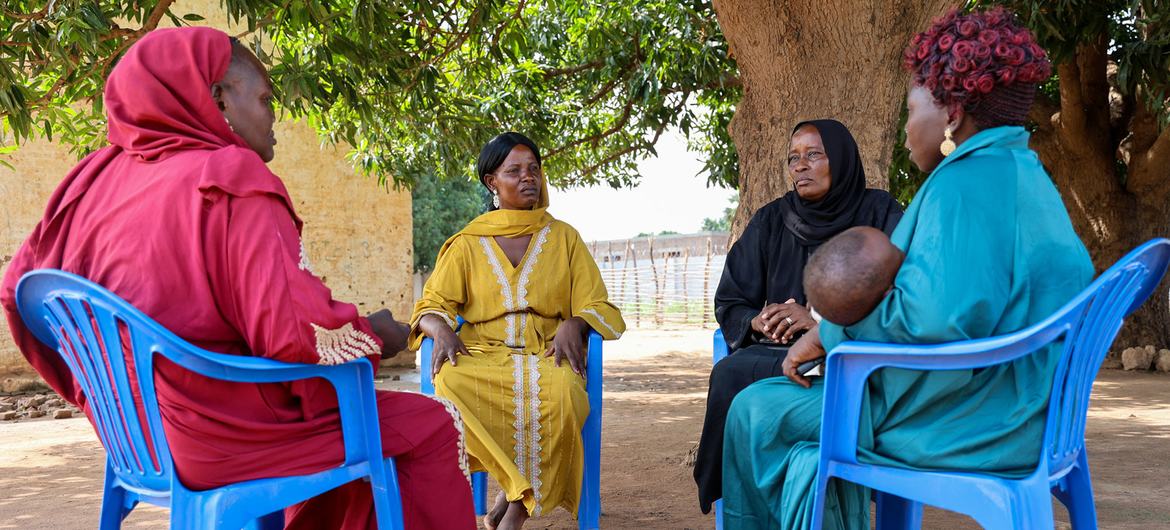
Women meet in Wau, South Sudan, to share experiences, support one another and strengthen their leadership skills.
Outcome adopted
Later in the day, the Commission adopted its outcome document – known as the Agreed Conclusions – on the theme of access to justice for women and girls.
The text was approved by a recorded vote of 37 in favour to one against (United States), with six abstentions, departing from the Commission’s traditional practice of adopting such outcomes by consensus.
Prior to the vote, the United States proposed eight amendments to the text and called for its consideration to be deferred or withdrawn, arguing that the document contained “ambiguous language promoting gender ideology” and references to sexual and reproductive health that could imply abortion rights.
The amendments were rejected.
Commission Chair Maritza Chan Valverde of Costa Rica said extensive consultations had taken place to reflect the diversity of views among Member States.
“We are convinced that the text represents the most balanced outcome achievable at this stage,” she said before the Commission moved to a vote.
What happens next
As the session continues, delegates are expected to discuss concrete steps to strengthen legal protections for women and girls and ensure justice systems are accessible, responsive and inclusive.
For the Secretary-General, the stakes could not be clearer.
“Justice for women and girls must be a cornerstone of the world we seek to build,” he said, urging governments and societies alike to close the persistent gaps that continue to limit equality worldwide.