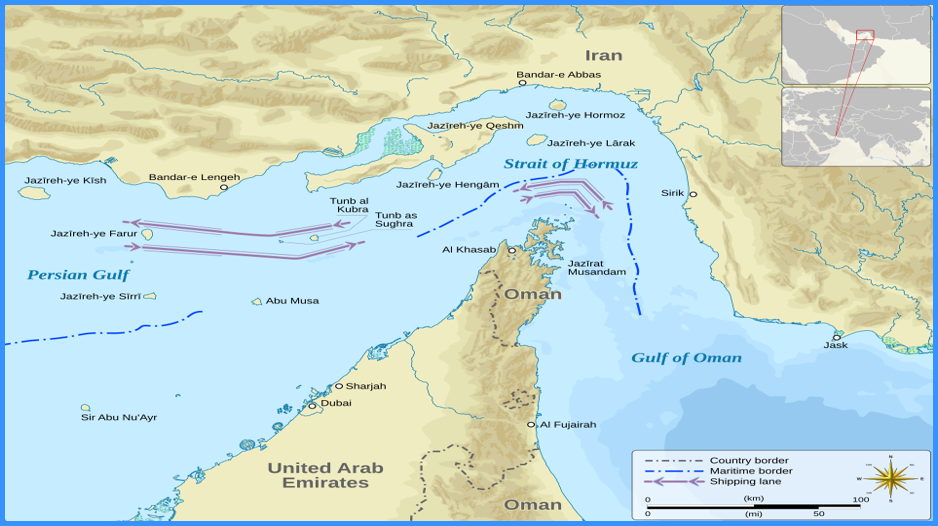
OSLO / DUBAI — In the most restrictive regulatory intervention by a Western flag state since the onset of the Middle East conflict, the Norwegian Maritime Authority (NMA) has formally prohibited all Norwegian-flagged vessels from entering the Strait of Hormuz. The ban, which took effect at 2:00 PM UTC on Thursday, March 12, 2026, upgrades previous “strong recommendations” to a mandatory legal boundary, effectively cutting off one percent of the world’s total merchant tonnage from the Persian Gulf.
The decision follows a series of drone and missile strikes on civilian shipping that Norwegian officials characterized as an “unacceptable and serious assault” on international maritime commerce.
From Recommendation to Prohibition
The move by the NMA represents a significant escalation in maritime risk management. While other major registries like Liberia and the Marshall Islands continue to allow “owner-discretion” transits, Norway has removed the commercial choice entirely for its fleet.
- The Mandate: No Norwegian-flagged vessel is permitted to initiate an inbound transit through the Strait of Hormuz until further notice.
- The “Critical” Threshold: Director General Alf-Tore Sørheim stated the threat level is now “Critical,” indicating that attacks are not merely possible but “highly likely.”
- Electronic Warfare: Regulators warned that beyond physical strikes, “extensive GPS and AIS spoofing” has rendered traditional navigation unreliable in the Arabian Gulf and the Gulf of Oman.
The “Stay or Run” Dilemma
For the Norwegian vessels already positioned inside the Gulf, the NMA has maintained MARSEC Level 3—the highest security tier—but has stopped short of ordering an immediate mass exit.
- Operator Responsibility: Companies with ships currently at Gulf ports or at anchor must determine whether it is safer to remain in place or attempt a “breakout” through the Strait.
- The Exit Risk: The NMA highlighted recent incidents where civilian vessels attempting to leave the area were targeted. One such attack involved the Mayuree Naree, a bulk carrier linked to Thailand, which was struck by an unknown projectile earlier this week.
- Crew Rights: Under international maritime labor agreements, crew members on vessels entering these “High-Risk Areas” are entitled to hazard pay and the right to disembark prior to transit.
Market Impact: The “Eligibility Shock”
With nearly 1,500 vessels affected, the Norwegian ban is expected to create a “wave-like” disruption in global chartering markets.
- Tonnage Squeeze: Cargoes originally slated for Norwegian ships must now seek alternative flags, potentially driving up spot rates for the shrinking pool of willing operators.
- The “Reputational Shield”: Analysts suggest the ban is also a strategic move to protect the “Quality Flag” reputation of the Norwegian International Ship Register (NIS), ensuring that its vessels are not associated with the escalating “war of attrition” at sea.
- U.S. Reinsurance Support: The ban arrives just as the U.S. selected Chubb to lead a $20 billion maritime reinsurance plan intended to provide a financial safety net for ships that do choose to brave the Strait.
A Corridor Under Blockade
The Norwegian directive reinforces a grim reality: the Strait of Hormuz is effectively operating under blockade conditions. On March 9, maritime intelligence firm Windward recorded only one commercial transit through the waterway—an Iranian-flagged vessel.
As President Donald Trump’s “Saturday Ultimatum” to Tehran approaches, the withdrawal of the Norwegian fleet—renowned for its high safety standards and technical sophistication—signals that the commercial world increasingly views the “oil route” as a total loss for the foreseeable future.
Strait-of-Hormuz-Wikimedia-Picture-by-Goran_tek-en