WASHINGTON, D.C. — In a move that has ignited intense debate over the intersection of private capital and public diplomacy, the Trump administration has officially requested $1 billion in funding to establish and staff a new Board of Peace. The proposal, submitted to Congress in mid-January 2026, seeks to create a high-level advisory body comprised of industry titans and veteran negotiators tasked with brokering international accords and settling long-standing geopolitical conflicts.
The request marks a signature initiative for the administration, framing the board as a “business-centric” approach to global stability. However, the proposal faces immediate scrutiny from critics who question the transparency of the selection process and the potential for a “pay-to-play” environment within the nation’s foreign policy apparatus.
The Mandate: Business-Driven Diplomacy
The Board of Peace is envisioned as an agile, semi-autonomous body that operates outside the traditional bureaucracy of the State Department. According to the White House budget request, the $1 billion will be allocated toward:
- Strategic Negotiators: Recruiting high-net-worth individuals and CEOs with proven track records in high-stakes deal-making.
- Economic Incentives: Developing “Peace Packages”—economic development frameworks intended to serve as leverage in territorial and trade disputes.
- Rapid Response Operations: Funding “Shadow Diplomacy” missions that can be deployed to conflict zones within 24 hours without the standard diplomatic red tape.
A Controversial Funding Model
The primary point of contention involves the “seats” on the board. While the $1 billion is a request for public taxpayer funds, the administration has suggested that the board will also seek “private sector partnerships.” This has led to concerns among ethics watchdogs regarding the influence of wealthy donors on the U.S. national security agenda.
| Feature | Administration Stance | Critic/Opposition Stance |
| Recruitment | Seeking “the world’s best negotiators” to solve “unsolvable” problems. | Potential for unqualified donors to buy diplomatic influence. |
| Funding | A necessary investment to prevent costly wars through “smart deals.” | A massive expenditure that duplicates existing State Department functions. |
| Accountability | Reports directly to the President for maximum efficiency. | Lacks the oversight and vetting processes of the Foreign Service. |
The Legislative Hurdle
The request faces a steep climb on Capitol Hill. While some supporters argue that a fresh, non-traditional approach is needed to resolve stagnating conflicts in the Middle East and Eastern Europe, others view the $1 billion price tag as excessive.
“Diplomacy is not a luxury suite at a stadium; you cannot sell seats to national security,” remarked one senior member of the Foreign Affairs Committee. Conversely, administration officials maintain that the board will “save trillions” in the long run by preventing military escalations.
The 2026 Outlook
As the budget hearings begin, the Board of Peace proposal has become the first major legislative test of the year. If approved, the board would represent one of the most significant shifts in American diplomatic structure since the Cold War, prioritizing private-sector deal-making as the primary tool of the Executive Branch.
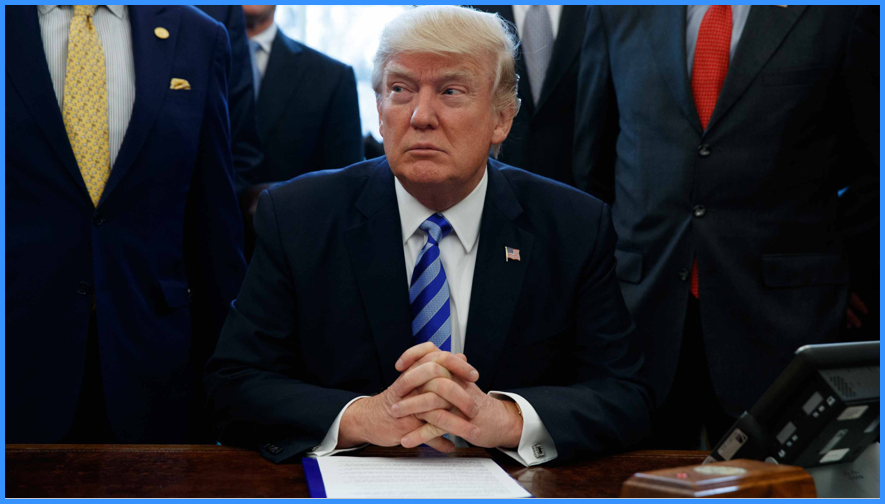
President Donald Trump Picture by Lamboghini on goodfon