WASHINGTON — As the most significant American military buildup in the Middle East since the Iraq War reaches its crescendo, the global community has issued an urgent plea for restraint. With two U.S. aircraft carrier strike groups—the USS Abraham Lincoln and the USS Gerald R. Ford—now positioned in the region, President Donald Trump faces a pivotal decision that could either cement a historic diplomatic “miracle” or ignite a devastating regional conflict.
The arrival of this massive naval and aerial armada has brought the decades-long standoff with Tehran to a critical juncture. While the administration has signaled its readiness for “limited strikes” if nuclear negotiations fail, the prevailing sentiment from international mediators in Oman and Switzerland is clear: the only sustainable victory lies in a peaceful, negotiated settlement that averts further bloodshed.
A Crossroads for Diplomacy
The next 72 hours are viewed as a “breathing space” for diplomacy. In Geneva, negotiators are racing against a 10-to-15-day deadline set by the White House to finalize a framework that addresses Iran’s enrichment levels.
- The Regional Plea: Middle Eastern allies, led by Egypt and Oman, have intensified “contacts of de-escalation,” warning that even surgical strikes could trigger an unpredictable cycle of retaliation. They emphasize that a return to the negotiating table is the only path that preserves regional stability and protects civilian lives on all sides.
- The Humanitarian Stakes: Advocacy groups and diplomatic envoys argue that the human cost of a new war would be catastrophic. With millions of lives in the balance, the focus has shifted toward finding a “middle path” that provides security guarantees for the U.S. and its allies while offering Iran a viable route to economic reintegration.
Moving Away from the Brink
Within Washington, a growing bipartisan chorus is echoing the need for a “strategy of restraint.” Lawmakers are urging the administration to view the current military presence not as a precursor to war, but as the ultimate lever for a peaceful resolution. The goal, they argue, should be a “fast deal” that prioritizes the cessation of hostilities over the expansion of the battlefield.
“The region cannot afford another war,” stated EU High Representative Kaja Kallas, reflecting a global consensus that the current circumstances present a unique opportunity for a political track rather than a kinetic one.
As the world watches the Persian Gulf, the hope remains that the sheer scale of the U.S. presence will serve as the final catalyst for a breakthrough in Geneva—proving that in the modern era, the most powerful use of force is the one that successfully prevents its own deployment.
Header Options
- The De-escalation Focus: Beyond the Brink: Global Leaders Urge Diplomacy Over Bloodshed in Iran Standoff
- The Humanitarian Angle: A Plea for Peace: The Moral Imperative to Avert War as Middle East Tensions Peak
- The Balanced Approach: Diplomacy at the Eleventh Hour: Can a “Fast Deal” Pre-empt Conflict in the Persian Gulf?
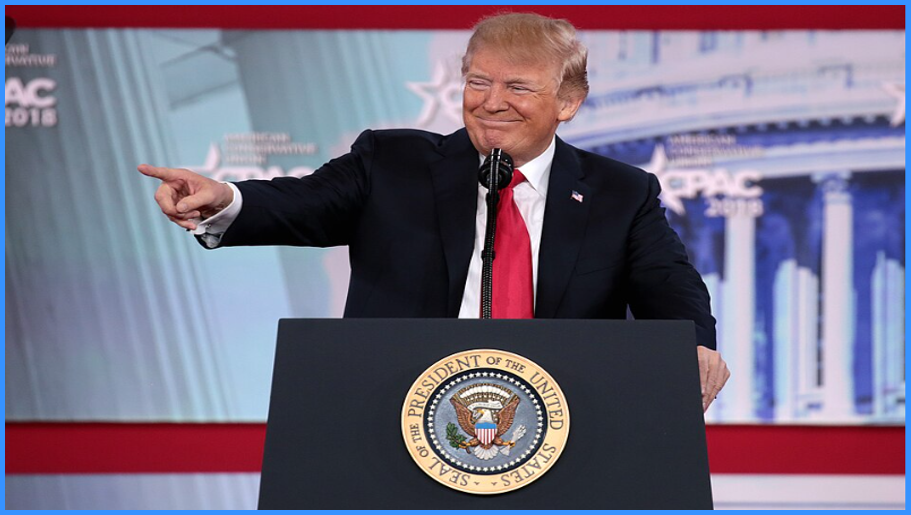
President of the United States Donald Trump Picture by Gage Skidmore on Wikimedia