Cancer treatment follows a familiar pattern: doctors spot symptoms, diagnose the disease and start treatment. But scientists are now exploring a radical shift in how we tackle cancer. Instead of waiting for tumours to appear, they want to catch the disease decades before it develops.
This approach is called “cancer interception”. The idea is simple: target the biological processes that cause cancer long before a tumour ever forms.
Researchers are hunting for subtle early warning signs. These include genetic mutations that quietly build up in our cells, giving them advantages against our immune defences.
They’re also looking at precancerous lesions like moles or polyps, and early visible changes in tissue. All of these appear long before cancer becomes obvious.
Large genetic studies reveal that as people age, their bodies accumulate small groups of mutated cells called clones that grow silently. Scientists have studied this particularly well in blood. These clones can help predict who might develop blood cancers like leukaemia, and the genetics, inflammation and environmental factors strongly influence them.
Crucially, doctors can measure and track these changes over time. This opens up possibilities for early intervention.
A 16-year study followed around 7,000 women and uncovered how these mutations work. Some mutations helped clones multiply faster, while others made them particularly sensitive to inflammation.
When there was inflammation, these sensitive clones expanded. Breaking down these patterns helps researchers identify people with a higher chance of developing cancer later.
Not a sudden event
The research reveals something fundamental about cancer. It’s not a sudden event that instantly produces a tumour.
Instead, cancer develops through a slow, multi-step process with detectable warning signs along the way. These early signs could become powerful targets for stopping cancer before it starts.
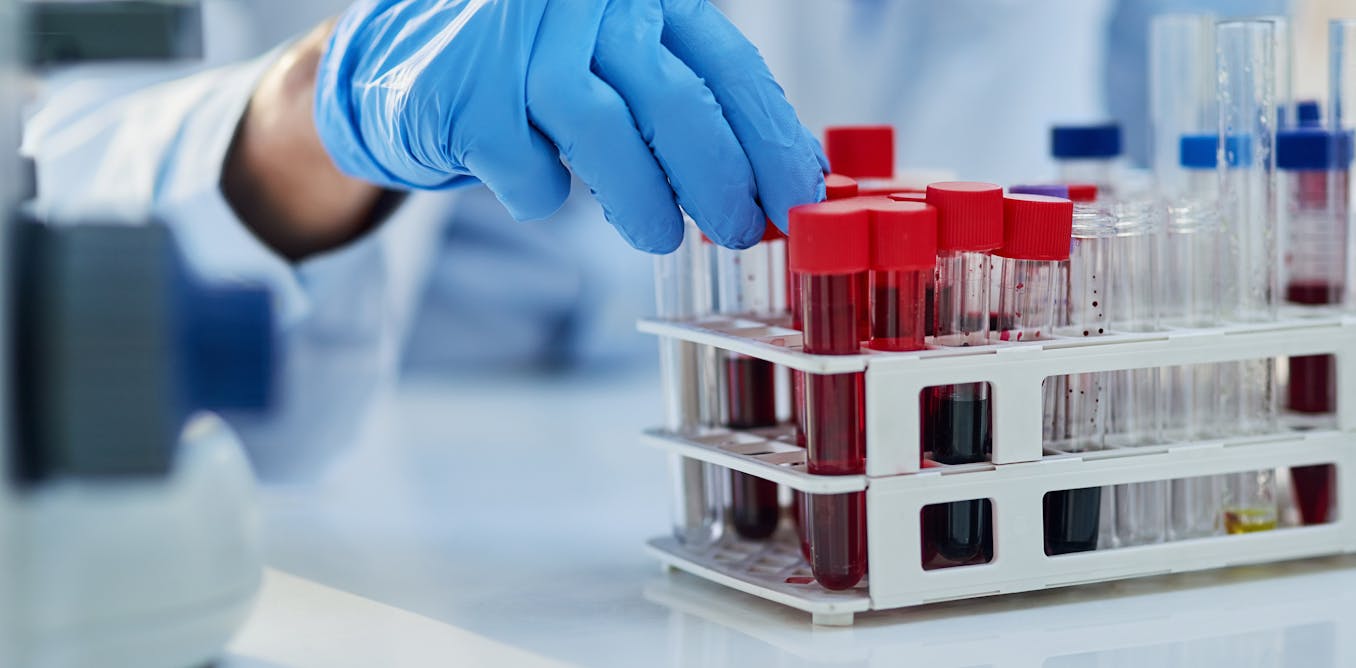
Scientists are developing blood tests to spot cancer long before symptoms appear. These tests, called multi-cancer early detection tests (MCEDs for short), search for tiny fragments of DNA in the blood.
MCEDs work by looking for circulating tumour DNA, or ctDNA – DNA fragments that cancerous or precancerous cells release into the bloodstream. Even very early cancers shed this DNA, so the tests might detect disease long before it shows up on a scan.
The results so far look promising. MCEDs can boost survival rates through early detection, especially for colorectal cancer. When doctors diagnose colorectal cancer at stage one, 92% of patients survive five years. But when they catch it at stage four, only 18% survive that long.

sebra/Shutterstock.com
The tests aren’t perfect, though. They miss some cancers entirely, and positive results still need follow-up tests to confirm.
Even so, research suggests MCEDs could become crucial for catching cancers that usually go unnoticed until much later. The potential to save lives is significant.
Heart doctors already use a similar approach. They calculate a person’s risk using age, blood pressure, cholesterol and family history, then prescribe drugs like statins years before a heart attack happens.
Cancer researchers want to copy this model. They envision combining genetic mutations, environmental factors and MCED results to guide early cancer prevention.
But cancer differs from heart disease in important ways. Cancer doesn’t follow a predictable path, and some early lesions shrink or never progress.
There’s also the risk of over-diagnosis. Being told you’re at higher risk when you feel perfectly healthy creates anxiety.
Cancer prevention tools also vary widely in their effectiveness, unlike statins that work broadly across different cardiovascular risk groups. The risk-based model shows promise, but needs careful handling.
Treating cancer risk instead of cancer itself raises difficult ethical questions. When someone feels completely healthy, judging whether intervention will truly help them becomes harder.
There’s a danger of causing unnecessary worry or harm. Scientists warn that doctors sometimes overestimate benefits and underestimate risks, particularly for older adults.
MCED tests bring their own ethical concerns. Accuracy isn’t the only issue that matters.
The tests sometimes flag cancer when none exists, leading to follow-up scans and biopsies that patients don’t actually need. The anxiety from all of this carries a high cost, both for patients and the healthcare system.
If these tests are expensive or only available privately, they could make health inequalities worse. This concern hits hardest in low-income countries.
In the US, the medicines regulator is investigating how MCED blood tests should work. They’re examining how reliable the tests need to be and what follow-ups doctors should require to keep patients safe.
The UK is following suit. The National Cancer Plan for England, published on February 4, 2026, commits to providing 9.5 million extra diagnostic tests through the NHS each year by March 2029.
The plan also states that ctDNA biomarker testing will continue in lung and breast cancer. It will extend to other cancers if proven to be cost effective.
What all this shows is clear. Cancer doesn’t suddenly appear; it’s a steady process that begins decades earlier. Catching it before it grows could save countless lives. The question now is how to do that safely, fairly and effectively.

The authors do not work for, consult, own shares in or receive funding from any company or organisation that would benefit from this article, and have disclosed no relevant affiliations beyond their academic appointment.