In a move that could decisively alter the trajectory of Sudan’s protracted civil war, Pakistan is reportedly in the final stages of securing a landmark $1.5 billion defense agreement with the Sudanese Armed Forces (SAF). Confirmed by multiple sources on January 9, 2026, the deal represents one of Pakistan’s largest-ever military exports and signals Islamabad’s growing role as a full-spectrum arms supplier to contested regions in Africa.
The transaction comes as Sudan enters its 1,000th day of conflict, with the SAF, led by General Abdel Fattah al-Burhan, seeking to reclaim air superiority against the paramilitary Rapid Support Forces (RSF).
Airpower and Drone Supremacy
The centerpiece of the package is a massive infusion of aerial technology designed to counter the RSF’s effective use of low-cost suicide drones. Sources indicate that the agreement, described as a “done deal” by retired Pakistani military officials, includes:
- Light Attack Aircraft: 10 Karakorum-8 (K-8) trainer/attack jets, which provide versatile close-air support for counter-insurgency operations.
- Unmanned Systems: Over 200 drones, comprising Shahpar-2 combat UAVs and “kamikaze” style loitering munitions.
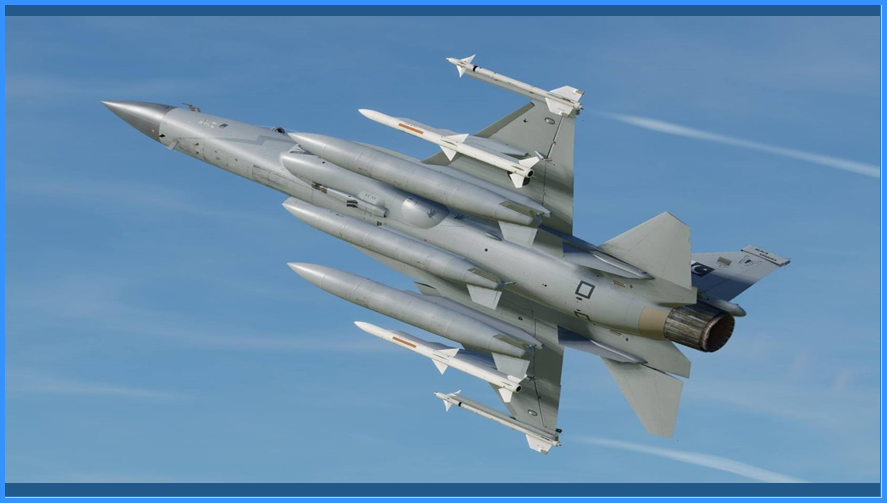
- The JF-17 Factor: While not yet confirmed for immediate delivery, the deal includes provisions for the coveted JF-17 Thunder multi-role fighter, jointly developed with China.
- Support Hardware: Modernization kits for Sudan’s aging MiG-21 fleet and Super Mushshak training platforms.
Strategic Air Defense
To protect the so-called “alternative capital” of Port Sudan, the deal features advanced Chinese-origin air defense systems produced under license in Pakistan.
| System Type | Specification | Operational Role |
| HQ-9 | Long-range SAM | Intercepting aircraft and missiles at ranges up to 200 km. |
| HQ-6 | Medium-range SAM | Protecting vital installations from low-altitude drone strikes. |
| ASV Mohafiz | Armored Vehicles | 150 units dedicated to urban convoy protection and troop transport. |
The Financing Mystery: The Saudi Connection
Given Sudan’s economic collapse, questions have surged regarding how a $1.5 billion deal will be serviced. High-level regional sources suggest that Saudi Arabia may have brokered the agreement to stabilize the SAF-led government, a “favorable regime” for Riyadh’s Red Sea security strategy. While some reports indicate the deal may be part of a broader $4 billion Pakistan-Saudi defense framework, official confirmation of third-party funding remains elusive.
Geopolitical Repercussions
For Pakistan, the deal cements its status as a rising global defense exporter, following a recent $4 billion agreement with Libya’s National Army. However, international human rights groups and UN observers have raised alarms. The infusion of advanced weaponry risks intensifying the conflict, which has already displaced over 13 million people and created a famine crisis.
“This is a strategic gamble,” noted one regional analyst. “Islamabad is gaining economic stability through exports, but it is also directly shaping the outcome of Africa’s bloodiest current war.”
JF-17-Thunder-fighter-jets-Picture-on-Wikimedia-by-Okonkwo-john