The Suez Canal has taken a decisive step toward normalising global shipping flows after more than two years of disruption, with two major CMA CGM container vessels completing successful passages through the waterway in recent days. The move signals a potential easing of freight pressures that have strained supply chains since regional instability escalated around the Israel–Gaza conflict.
According to the Suez Canal Authority (SCA), the LNG‑powered CMA CGM Jacques Saadé—one of the world’s largest container ships—transited the canal for the first time in two years, marking the French shipping giant’s full return to the route. A second vessel, the CMA CGM Adonis, also crossed the canal in the opposite convoy, with both ships carrying a combined 154,000 tons of cargo.
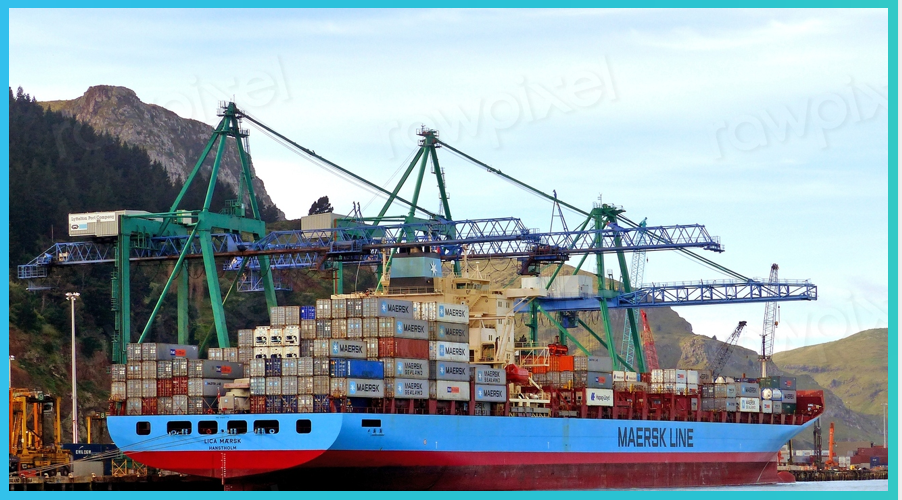
SCA Chairman Osama Rabie described the development as the beginning of a “new phase” for the canal, crediting sustained marketing efforts and renewed confidence from global carriers. The authority noted that the return of CMA CGM vessels is expected to accelerate the gradual comeback of other major lines, including Maersk, as traffic trends move toward pre‑disruption levels.
The resumption of full-capacity transits by the world’s third‑largest shipping line is widely viewed as a positive indicator for global trade. With the canal handling roughly 12% of global commerce, its restored navigability could help stabilise freight rates and reduce shipping delays that have rippled across markets since late 2023.
While full traffic normalisation is projected by mid‑2026, the latest crossings mark a significant milestone in the recovery of one of the world’s most critical maritime corridors.
Suez Canal Credit: rawpixel.com