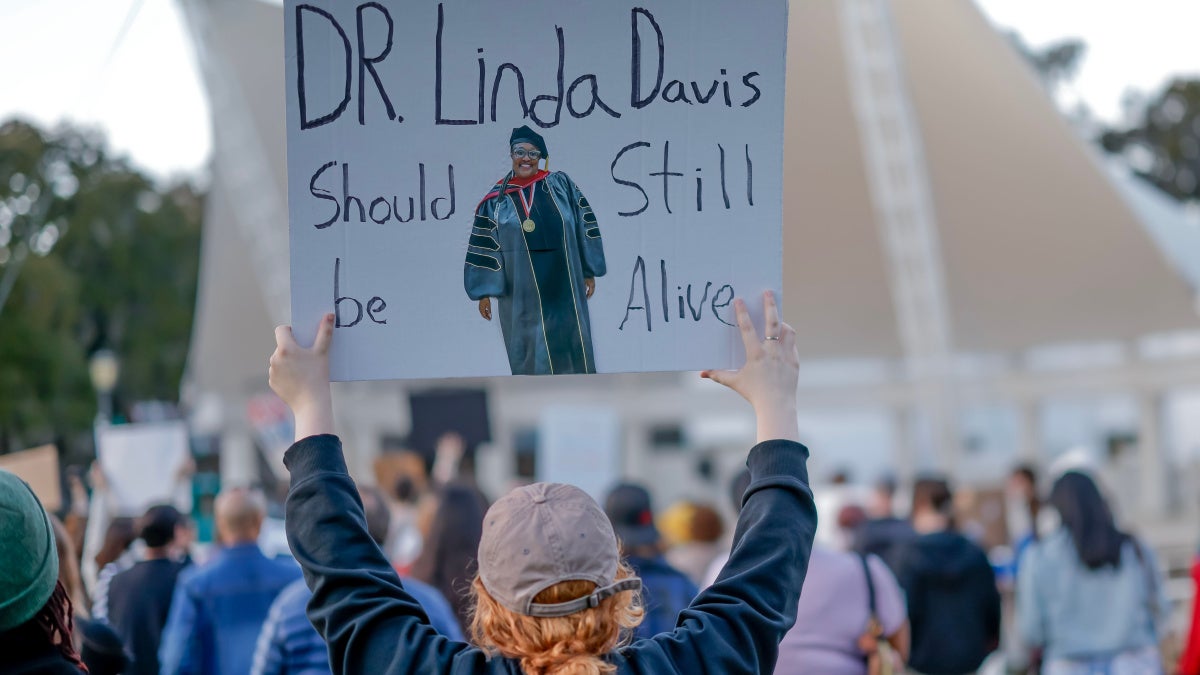
On February 16, 2026, a car chase by Immigration and Customs Enforcement (ICE) ended in a deadly crash in Georgia, killing beloved teacher, Dr. Linda Davis.
ICE officers were pursuing Oscar Vasquez Lopez after he fled an initial stop made with the intention of arresting and deporting him. In security footage, Vasquez Lopez’s truck speeds by with ICE vehicles in pursuit. According to media reports, he subsequently pulled an illegal U-turn, ran a red light, and crashed into Davis’s car, killing her.
Prior to these events, Vasquez Lopez did not have a criminal record nor was there any evidence he posed a danger to the public.
For years, Human Rights Watch has documented the way in which car-chases for immigration enforcement purposes have resulted in deaths and injuries, including of people, even young children, who are not those being pursued. Federal agents’ use of these tactics under the current administration has compromised public safety and caused injuries and deaths. In Texas, where reckless high-speed pursuits have claimed over 100 lives, Human Rights Watch has called on law enforcement to end vehicle pursuits when their only basis is apprehension of an individual for unauthorized immigration or other noncriminal, nonviolent offenses. This is an approach responsible law enforcement agencies are increasingly embracing. Police departments across the country have set restrictions on vehicle pursuits in response to their understanding that pursuits present “risks to officers, innocent bystanders, suspects, and the broader community.”
In Chatham County, Georgia, where Davis was killed, county policy limits pursuits to situations where officers believe a suspect has committed or is attempting to commit a violent felony. Had ICE simply followed Chatham County’s example, Davis might still be alive.
Currently, ICE and Customs and Border Protection (CBP) grant broad discretion to officers around vehicle pursuits. A previous CBP policy from 2023, rescinded in 2025, had clear guidelines and required officers to weigh the risks of conducting pursuits, such as the dangers they present to the public, against the law enforcement benefit or need. Without such guidelines, federal agents are much more likely to engage in dangerous, unjustifiable pursuits.
Lives will continue to be lost, particularly within communities of color, if stricter rules around Department of Homeland Security vehicle pursuits are not implemented immediately.