RIYADH — In a climate of reactive strikes and volatile rhetoric, Saudi Arabia has adopted a posture of “sagely and stoic” diplomacy, intensifying a direct backchannel to Tehran. According to Bloomberg and regional diplomatic sources on Saturday, March 7, 2026, Riyadh is leading a quiet but high-stakes effort to de-escalate the most dangerous military conflict the Persian Gulf has witnessed since 1991.
While the U.S.-Israeli coalition and Iran exchange threats of “certain death” and “unconditional surrender,” the Kingdom’s clandestine mediation represents the last functioning bridge in a region on the precipice.
The Neutrality Doctrine and Saudi Position of Restraint
The official diplomatic position taken by King Salman and Crown Prince Mohammed bin Salman is reflected in the statement released by the Saudi Ministry of Foreign Affairs (March 2, 2026):
“The Kingdom will not allow its airspace or territory to be used for military actions against any party. We remain consistent in supporting diplomatic efforts to reach a credible solution that strengthens regional security.”
The Stoic Shield: Neutrality as Strategy
The urgency of this backchannel follows a week where Saudi air defenses were forced to intercept dozens of Iranian drones. Despite these provocations, Riyadh has maintained a disciplined, non-escalatory stance:
- The “Neutrality” Pledge: Joining the UAE and Qatar, Saudi Arabia has officially informed the Trump administration that its territory and airspace cannot be used for offensive strikes against Iran despite consistent attacks by Iran.
- Economic Survival: The diplomatic push is driven by the need to protect the $3.3 trillion “Vision 2030” projects and critical infrastructure, such as the Ras Tanura refinery, from becoming collateral damage.
Sagely Mediation: The “Off-Ramp” for Tehran
The backchannel operates through a “twin-track” system involving both the General Intelligence Presidency (GIP) and the Ministry of Foreign Affairs. The goal is a “mutual restraint” agreement: Iran ceases strikes on Gulf neighbors in exchange for a collective GCC guarantee of neutrality.
Evidence of this “sagely” influence emerged early Saturday when Iranian President Masoud Pezeshkian issued a rare formal apology to neighboring states for recent “miscommunications.” He pledged that Iran would no longer target neighbors unless an attack “originates from those countries”—a direct reflection of the terms discussed in the secret Saudi-led dialogue.
A Fragile Horizon
The success of this gambit remains under immense pressure. With President Trump vowing that Iran will be “hit very hard” this Saturday and B-2 stealth bombers arriving at regional bases, the Kingdom’s stoicism is being tested to its limit.
For the global community, the “Saudi No” to offensive participation serves as a stabilizing counterweight to the “Saturday Strike” rhetoric. As one diplomatic source noted, “Riyadh is not just brokering peace; it is practicing a level of strategic restraint that may be the only thing preventing a total regional collapse.”
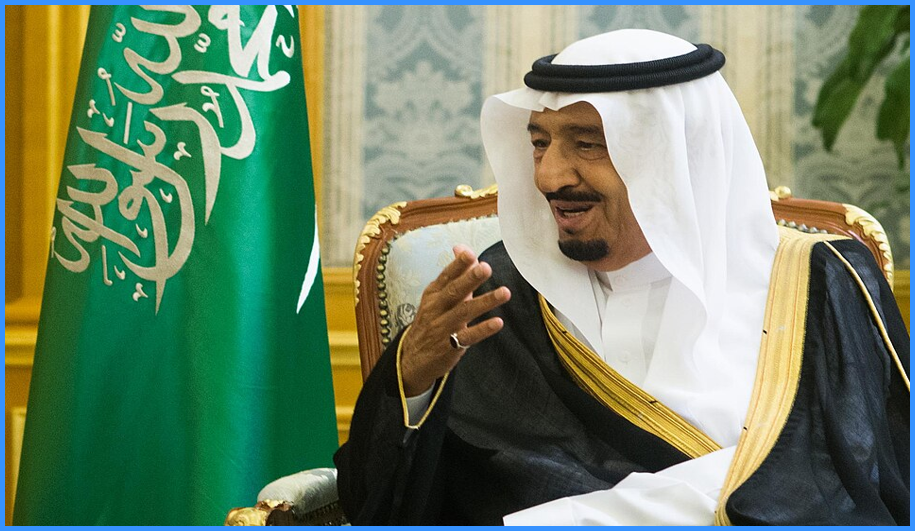
King Salman bin Abdulaziz Al Saud, Flickr Picture from Chairman of the Joint Chiefs of Staff