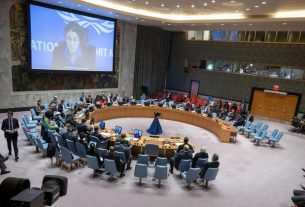
VIENNA – In a high-stakes debut at the Vienna Hofburg, Swiss Foreign Minister Ignazio Cassis officially inaugurated Switzerland’s 2026 Chairpersonship of the Organization for Security and Co-operation in Europe (OSCE) today. Addressing the Permanent Council on January 15, 2026, Cassis delivered a sobering yet resolute message: the OSCE, born during the acute ideological friction of the Cold War, is not a “luxury” for easy times, but a “necessity” for dangerous ones.+1
As Switzerland becomes the first nation to lead the world’s largest regional security organization for a third time, it inherits a platform fractured by the ongoing war in Ukraine—a conflict Cassis identified as the “greatest challenge” in the organization’s 50-year history.
A Five-Pillar Strategy for Stability
The 2026 programme, titled “Preserving the Spirit of Helsinki in a World in Crisis,” centers on five strategic priorities designed to restore the OSCE’s operational credibility and diplomatic relevance:
- The Helsinki Principles: A renewed commitment to a just and lasting peace in Ukraine based on international law.
- Inclusive Multilateral Diplomacy: Maintaining the OSCE as the sole forum where European states, the U.S., Canada, and Russia still sit at the same table.
- Anticipating Technologies: Addressing the security implications of AI and digital transformation.
- Human Rights & Democracy: Strengthening field missions and election observation to protect fundamental freedoms.
- Capacity to Act: Implementing targeted internal reforms and securing a sustainable budget to ensure the organization remains an effective actor on the ground.
Diplomatic “Courage and Clear-Sightedness”
Cassis emphasized that Switzerland will leverage its tradition of neutrality and mediation to re-establish trust. “When instability takes hold, we can and must act with courage,” he stated, calling for a return to the Spirit of Helsinki—the 1975 consensus that prioritized cooperative security over confrontation.+1
To support these efforts, the Chairman-in-Office has appointed a suite of Special Representatives. Their mandates cover critical geographic zones, including Ukraine, Moldova, and the South Caucasus, as well as thematic priorities such as combating antisemitism, racism, and human trafficking.+1
High-Level Conferences and Fieldwork
The Swiss Chairpersonship will not be confined to Vienna’s conference halls. The 2026 calendar includes four major international summits:
- St. Gallen (February): Addressing antisemitism and intolerance.
- Geneva (May): Focusing on “Science Diplomacy” and emerging technologies.
- Bern (September): Reflecting on the 18th International Conference of Editors of Diplomatic Documents.
- Zug (September): Navigating de-escalation and mediation in cyberspace.
The year is set to conclude in December 2026 with the Ministerial Council in Lugano, where the 57 participating states will gather to consolidate the year’s achievements and chart a path toward a more stable European security architecture.
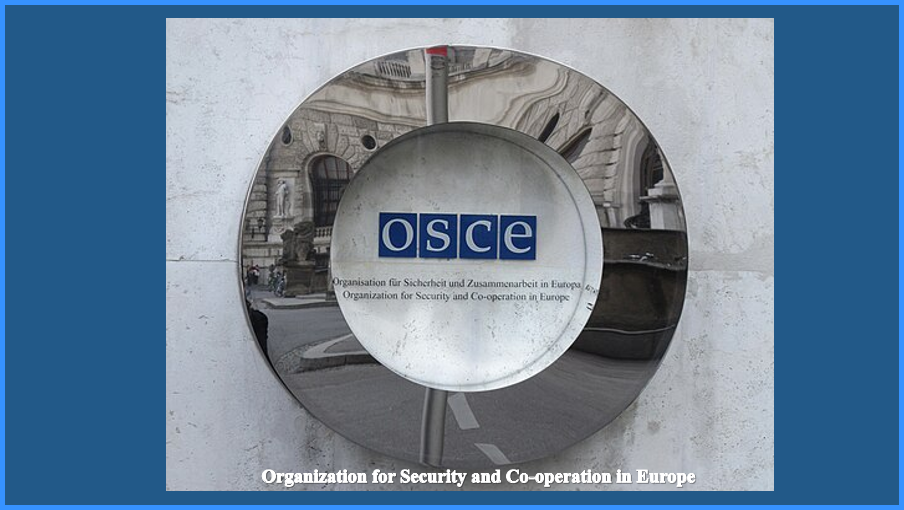
OSCE Symbol at The Hofburg, Vienna Picture by Ank Kumar