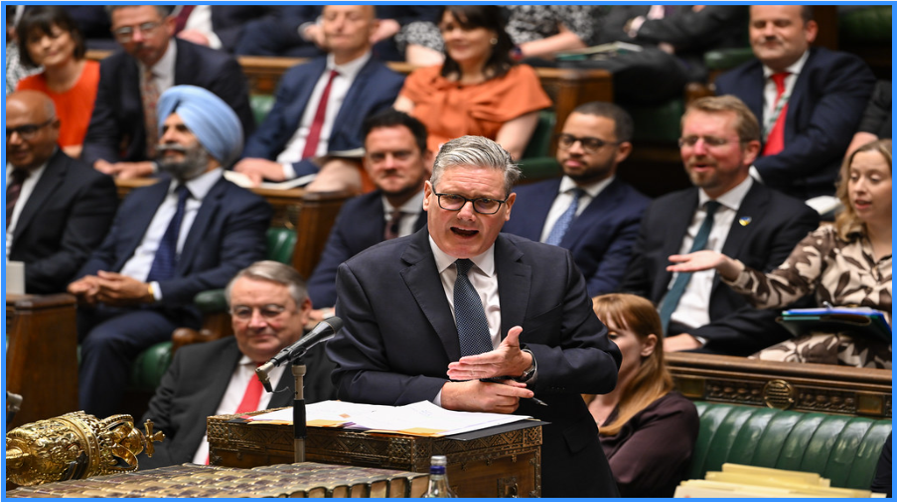
Prime Minister Keir Starmer has abandoned plans to make digital ID compulsory for workers in the United Kingdom, marking one of the most notable reversals of his government to date. The decision follows months of political pressure, civil liberties concerns and internal debate over how far the scheme should go.
Digital IDs were originally announced as a central tool in Labour’s strategy to curb illegal migration and modernise right‑to‑work checks. Starmer had previously declared that “you will not be able to work in the United Kingdom if you do not have digital ID,” a stance that drew criticism across the political spectrum.
🔄 From Mandatory to Optional
Government officials now say that while digital right‑to‑work checks will still become mandatory, workers will not be required to use a digital ID specifically. Traditional documents such as passports will remain valid alternatives.
Reports indicate that ministers feared the compulsory element risked undermining public trust in the wider digital identity programme. Sources told The Times that making the system optional when it launches in 2029 could “deflate one of the main points of contention” and open the door to broader acceptance of digital identity tools.
⚡ Political Fallout
Opposition parties quickly seized on the reversal. Conservatives labelled the move “spineless,” while Liberal Democrats mocked the government’s growing list of U‑turns since taking office. Critics on the right argued the original plan was unworkable; civil liberties groups warned it risked creating a surveillance‑style ID regime.
🔍 What Happens Next
The government remains committed to digitising right‑to‑work checks, but the future of the digital ID scheme now hinges on a forthcoming consultation. The shift leaves open the possibility of a hybrid system—one that encourages digital identity adoption without making it compulsory.
As the UK continues to modernise its identity infrastructure, the debate over privacy, security and public trust is far from over. The digital ID question may have changed shape, but it remains one of the defining policy battlegrounds of Starmer’s administration, a policy consideration that is not so popular to the majority of the UK populace.
Sir-Keir-Starmer-Flickr-Picture-by-The UK House-of-Commons