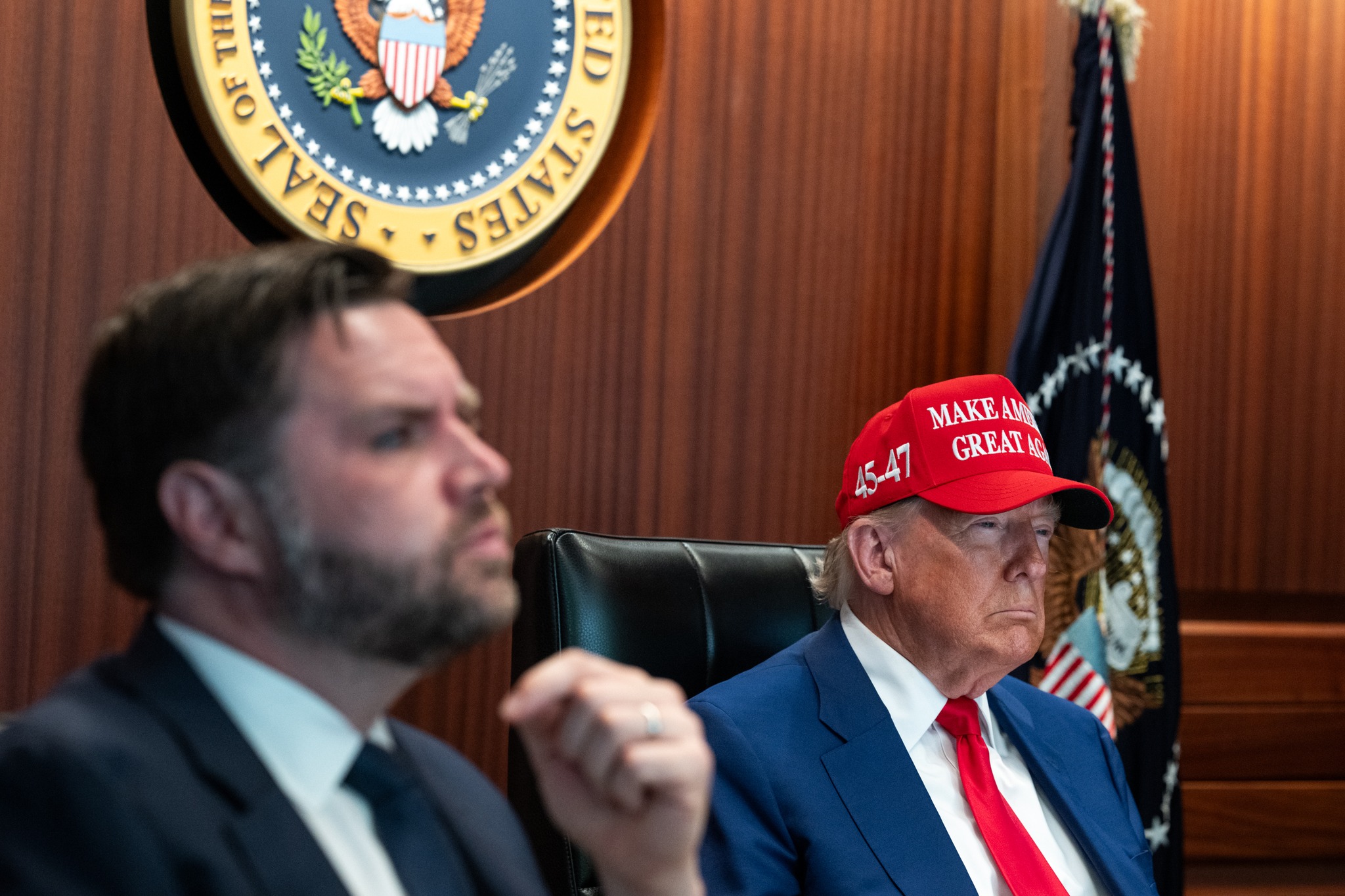
U.S. President Donald Trump hosted Democratic Republic of the Congo (DRC) President Félix Tshisekedi and Rwandan President Paul Kagame at the White House for the signing of a U.S.–brokered accord aimed at easing decades of conflict in eastern Congo.
The agreement, presented as a significant diplomatic breakthrough, seeks to stabilise one of Africa’s most volatile regions by strengthening political cooperation and opening the door to deeper economic integration between the two neighbours. The accord follows months of U.S. mediation and builds on earlier commitments made by both governments to reduce tensions along their shared border.
While the signing marks a rare moment of public alignment between Kinshasa and Kigali, the situation on the ground remains fragile. Fighting between the Congolese army and the M23 rebel movement continues in several areas of North Kivu, and longstanding disputes over security, territorial control and the presence of armed groups have yet to be fully resolved.
U.S. officials have framed the agreement as a step toward long‑term stability, but analysts caution that meaningful progress will depend on sustained political will, credible security arrangements and the withdrawal of foreign‑backed forces from contested zones. Communities in eastern Congo, who have endured years of violence, displacement and resource‑driven conflict, are watching closely to see whether the accord will translate into real change.
Despite the uncertainty, the Washington signing signals renewed international engagement in a conflict that has drawn global concern for decades. Whether it becomes a turning point or another short‑lived diplomatic gesture will depend on what happens next on the ground.