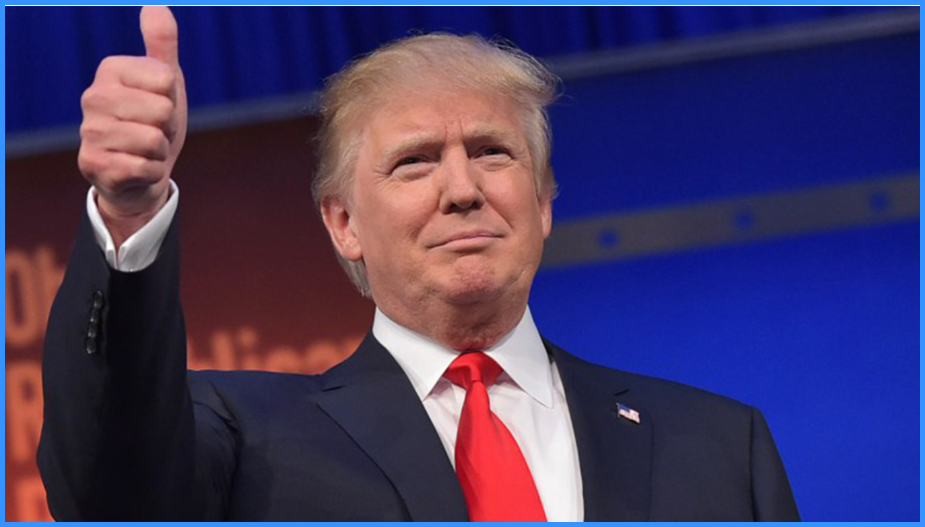
Following the dramatic seizure of Venezuelan leader Nicolás Maduro by U.S. forces, President Donald Trump has turned his sights toward Bogotá. Speaking to reporters aboard Air Force One on Sunday, January 4, 2026, Trump issued a blunt ultimatum to Colombian President Gustavo Petro, suggesting that the military operations seen in Caracas could soon be mirrored across the border if Colombia does not “wise up.”1
“Colombia is very sick, too,” Trump told reporters, specifically targeting Petro.2 “It’s run by a sick man who likes making cocaine and selling it to the United States, and he’s not going to be doing it very long.”3 When asked directly if the U.S. would consider a military operation against Colombia, the President replied, “It sounds good to me.“
A Paradigm Shift in Regional Policy
The rhetoric marks a historic low in U.S.-Colombia relations, which have traditionally been the bedrock of Washington’s security policy in South America.4 The Trump administration has already dismantled several pillars of this partnership:
- Official Decertification: In late 2025, the U.S. officially “decertified” Colombia as a partner in the war on drugs, citing record-high coca cultivation—estimated at over 250,000 hectares.5
- Personal Sanctions: In an unprecedented move for a sitting head of state, the U.S. Treasury recently imposed financial sanctions on President Petro and his family, accusing them of fostering a “narco-state.”6
- Tariff Threats: Trump has threatened to slap 25% to 50% tariffs on all Colombian exports, including coffee and flowers, as leverage to force a return to aggressive aerial fumigation of coca crops.7
“Waking the Jaguar”: The View from Bogotá
President Petro, Colombia’s first leftist leader and a former guerrilla, has refused to back down.8 Responding on social media platform X, Petro warned that any U.S. intervention would be a “declaration of war” that would destabilize the entire hemisphere.9
| Stakeholder | Official Stance | Key Quote |
| Gustavo Petro | Defiance | “Do not threaten our sovereignty… you will awaken the Jaguar.” |
| The White House | Interventionist | “He’s going to be next because we don’t like people when they kill people.” |
| Marco Rubio (Sec. of State) | Hardline | Described Petro as a “thug” and a “troublemaker” for U.S. interests. |
| Colombian Military | High Alert | Deployed to the border to manage a potential influx of Venezuelan refugees. |
The “Absolute Resolve” Precedent
The tension is fueled by the success of Operation Absolute Resolve—the U.S. raid that captured Maduro and his wife, Cilia Flores, on January 3. Trump’s “He’ll be next” warning refers to the possibility of using similar tactical strikes against what he calls “cocaine factories” in the Colombian jungle.10
Critics of the President’s approach warn of a “dangerous return to imperialism.” Human rights groups and regional experts argue that while cocaine production is indeed at record highs, a military strike on Colombian soil would radicalize rural communities, potentially turning thousands of campesinos into new insurgent fighters.11
A Fragile Horizon
As the U.S. military maintains a massive naval presence in the Caribbean, the risk of a miscalculation on the Colombia-Venezuela border has never been higher. For the Trump administration, the goal is “total access” and regional cleaning; for Petro, it is a fight for the very survival of Colombian sovereignty.
With Colombia facing its own elections in May 2026, the U.S. pressure campaign appears designed not just to stop drugs, but to ensure a more “cooperative” right-wing government takes the helm in Bogotá.