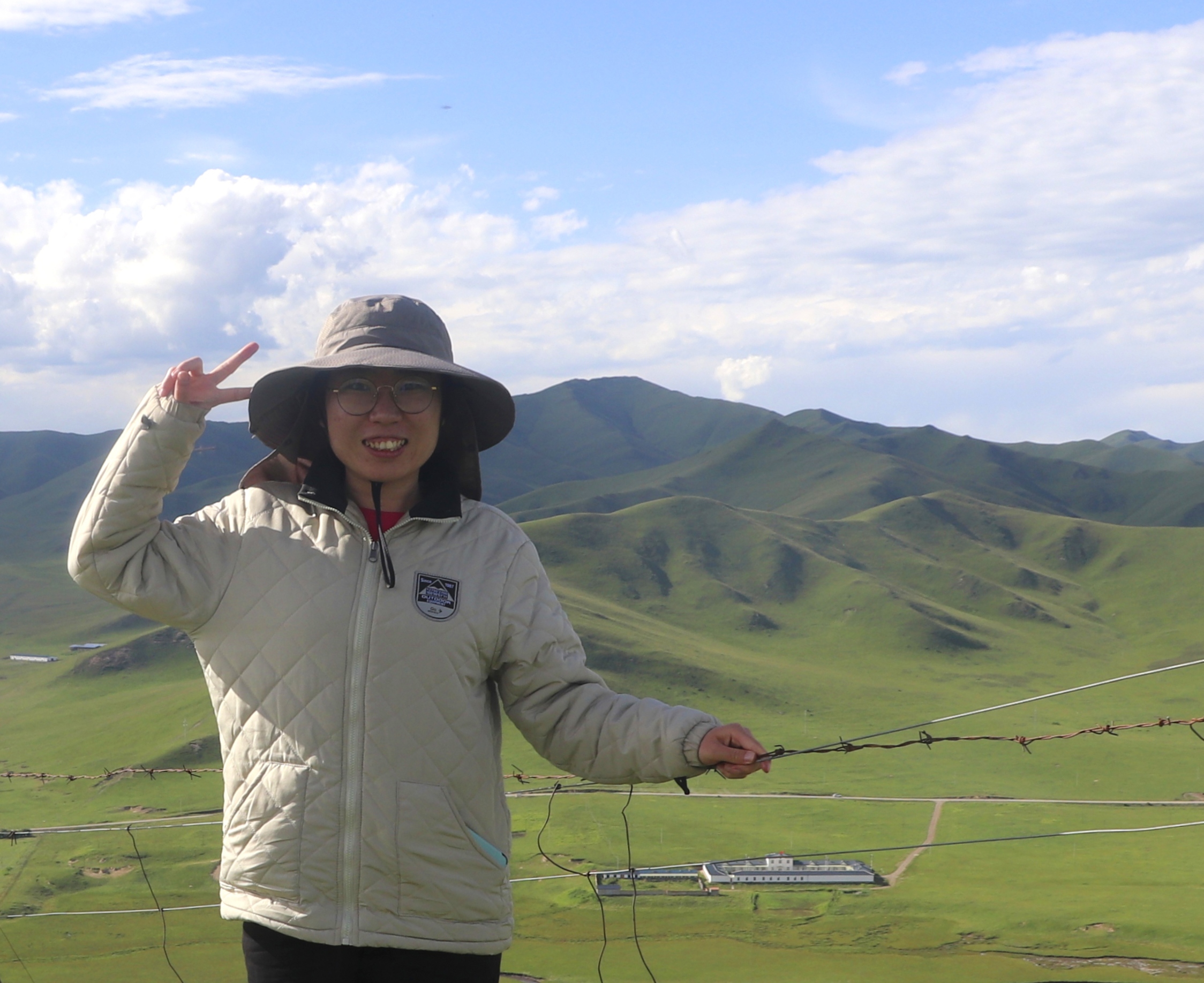
2025 HARPER PRIZE SHORTLIST: For the next two weeks, we are featuring the articles shortlisted for the 2025 Harper Prize. The Harper Prize is an annual award for the best early career research paper published in Journal of Ecology. Jie Li’s ‘Plant species loss reduces rare soil microbes through diversity effects amplified by multitrophic interactions‘ is one of those shortlisted for the award.
About the paper:
What is your shortlisted paper about, and what are you seeking to answer with your research?
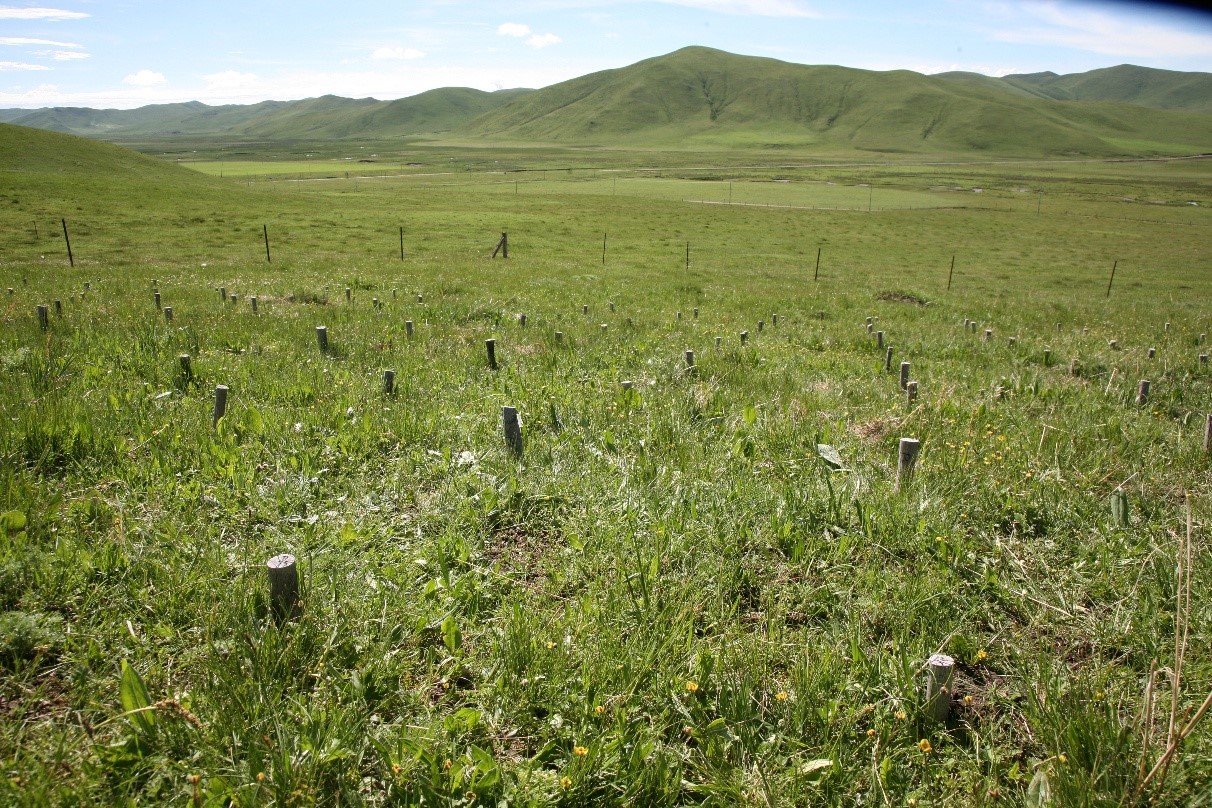
Our research investigates a fundamental question in ecology: Does the loss of plant diversity in natural communities truly erode the hidden biodiversity belowground, and if so, how? Based on a 12-year species removal experiment in the species-rich alpine meadows of the Tibetan Plateau, we tested how loss of rare plants versus dominant or common species impact soil microbial diversity. We found that losing rare plant species significantly reduced the richness of soil bacteria and fungi, primarily by decreasing rare microbial taxa. Crucially, this effect wasn’t direct; it was amplified by changes in belowground multitrophic interactions, such as an increase in fungivorous nematodes. Our work provides robust, long-term evidence that conserving the full spectrum of plant diversity, especially the rare species, is essential for maintaining soil health and ecosystem stability.
Were you surprised by anything when working on it? Did you have any challenges to overcome?
The most surprising finding was the specificity and timescale of the effect. We didn’t anticipate that the loss of rare plants would have such a pronounced and unique impact on rare soil microbes, while the loss of dominant species did not. It took over a decade for this pattern to clearly emerge, highlighting the value of long-term experiments. The biggest challenge was disentangling the causal pathway. Was the decline in rare microbes a direct result of plant loss, or was it mediated by shifts in the soil environment and the complex web of belowground life? We spent considerable time using statistical models to separate the direct effects of plant diversity from the indirect effects channeled through soil nematodes and other trophic levels.
What is the next step in this field going to be?
Our next step is to build on these findings by constructing dynamic, multilayer ecological networks. We aim to integrate cross-community multitrophic interactions to more deeply explore how the loss of plant diversity—particularly among rare taxa—reverberates through the entire ecosystem. This will allow us to move from observing patterns to predicting how these disruptions affect belowground ecosystem functions, such as nutrient cycling and carbon storage, in a changing world.
What are the broader impacts or implications of your research for policy or practice?
Our research delivers a clear message for conservation and restoration: the little things matter. Ecological efforts have often focused on dominant species, but our work shows that rare plants are keystones for maintaining soil biodiversity. The loss of these seemingly insignificant species can trigger a positive feedback loop, leading to the loss of rare soil microbes and weakening the ecosystem’s resilience. This implies that restoration projects must shift from a simple focus on biomass or cover to actively re-establishing the full composition of plant communities, including the rare species, to support the soil functions that underpin all terrestrial life.
About the author:
How did you get involved in ecology?
My passion for ecology began during a university field internship. Being in a forest, witnessing the soil stratification and the vertical structure of the trees firsthand, was far more vivid and tangible than any lecture. I was captivated by nature’s creativity. Later, during my PhD, I experienced the vast, majestic alpine meadows on the Tibetan Plateau for the first time. Deeply impressed by their grandeur and the intricate life they support, I resolved to dedicate my career to understanding and protecting these fragile grassland ecosystems.
What is your current position?
I am currently a junior faculty member at Hebei GEO University, where I have recently begun my independent research career.
Have you continued the research your paper is about?
Absolutely. This long-term experiment has become a cornerstone of my research. We are continuing to monitor the plots and are now focusing on how the loss of plant species and functional traits affects soil microbial functional traits. We are also delving deeper into how these shifts in multitrophic interactions ultimately influence key soil functions, aiming to unravel the complex mechanisms that link the visible and invisible worlds.
What one piece of advice would you give to someone in your field?
Don’t just stay in the lab or in front of computer screen – ecology happens outside. Spend as much time as you can in the field: observe, ask questions, and stay curious. And above all, be patient. The fundamental patterns in our natural world unfold over years, decades, or even centuries. Don’t be discouraged by early setbacks. Persistence and a long-term commitment are essential for truly understanding the dynamics of ecosystems, a lesson my own 12-year experiment has taught me well.