Pacific Island governments on March 4, 2026, launched the world’s first regional guide to address climate-related relocation grounded in human rights principles.
As Pacific leaders gather for a three-day convening in Nadi, Fiji, they have an opportunity to pair this landmark guidance with the financial and technical support needed to implement it. The Pacific Regional Guidance on Planned Relocation adapts global standards on planned relocation to the realities of the Pacific, where rising seas, coastal erosion, and king tides are already forcing entire communities to move.
“This regional guide recognizes that planned relocation to a new site is a measure of last resort for communities that can no longer adapt to climate change impacts in place, and should protect communities’ rights, dignity, and self-determination,” said Erica Bower, climate displacement researcher at Human Rights Watch. “Now, Pacific governments and donors need to ensure communities have the resources to make those principles real.”
The guidance covers key considerations to support planned relocation in the Pacific, including robust assessments, policy frameworks, funding, and mechanisms for communities to have a seat at the table during all stages of decision-making. It tailors global standards on planned relocation to the complexities of the Pacific, including greater focus on the role of customary land tenure systems, cultural heritage in assessments, and Indigenous rights such as self-determination and free, prior, and informed consent to make changes in their living situation.
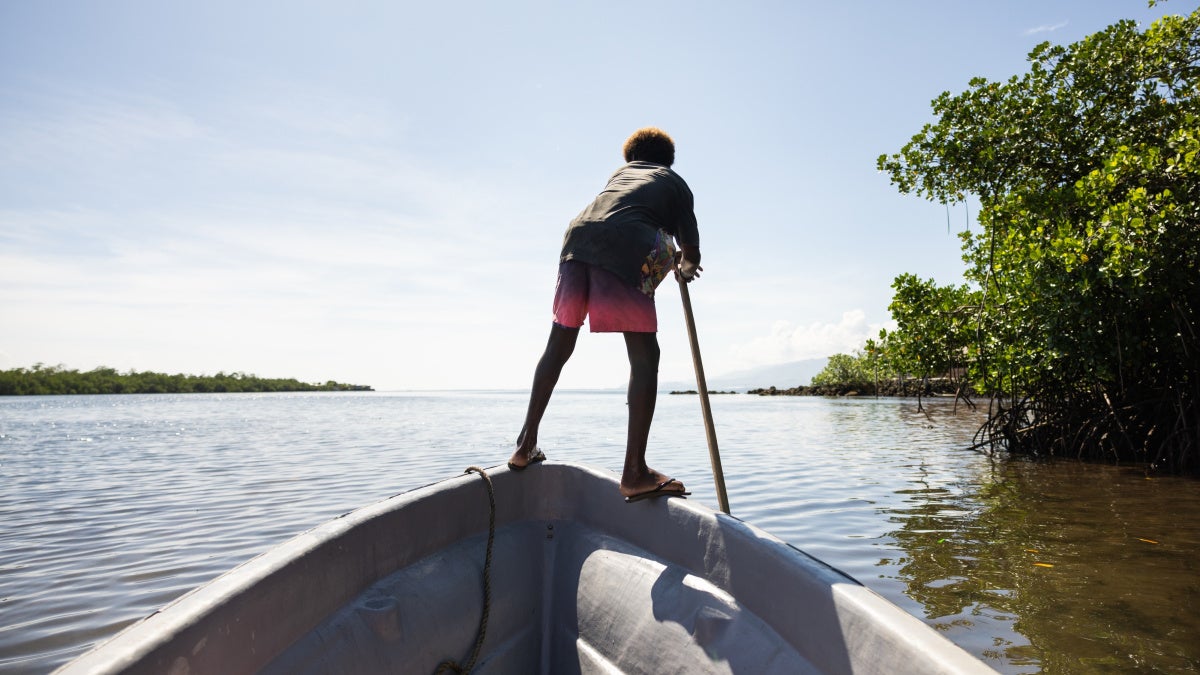
In March 2025, Human Rights Watch published “There’s Just No More Land,” a report documenting the experience of Walande, an Indigenous community in Solomon Islands that planned a collective relocation to mainland Malaita after repeated flooding made their island homes uninhabitable. Walande’s relocation, largely community-led and self-financed through remittances, demonstrates both the resilience of affected communities and the risks they continue to face when government support is limited.
Walande’s experience underscores what is at stake across the Pacific. Without adequate government and international support and sustained funding, relocation can lead to new challenges, including continuous flood exposure, food insecurity, and conflicts with host communities over limited land.
The guidance recognizes that international law protects a range of rights implicated in climate-related planned relocations, including the rights to adequate housing, food, water, health, and culture. Countries have obligations to respect, protect, and fulfill these rights without discrimination. Regional and global cooperation can help ensure that island states facing disproportionate climate risks are not left to shoulder these responsibilities alone.
Governments should also ensure that national frameworks on planned relocation, including Solomon Islands’ forthcoming Standard Operating Procedures and Vanuatu’s forthcoming guidelines, align with the regional guidance and provide clear pathways for community leadership and direct access to funding.
But principles alone will not protect communities, Human Rights Watch said. Governments and international partners should mobilize sustained financial and technical resources, including through mechanisms such as the Pacific Resilience Facility, a new Pacific-led grant-making entity, to ensure communities can access land, housing, infrastructure, and livelihood support.
If fully implemented, the Pacific Guidance could serve as a model for other regions facing the sobering realities of planned relocation. Governments in the Caribbean, another region highly exposed to sea level rise, could host similar convenings for exchange and could develop similar regional guidance tailored to the needs of their region.
“The Pacific has shown global leadership by agreeing on a rights-respecting regional approach to planned relocation,” Bower said. “Now, governments in the region and supporters around the world should ensure communities like Walande have the resources and long-term support to adapt with dignity and shape their own futures.”