Rising Costs Outpace Rent Caps
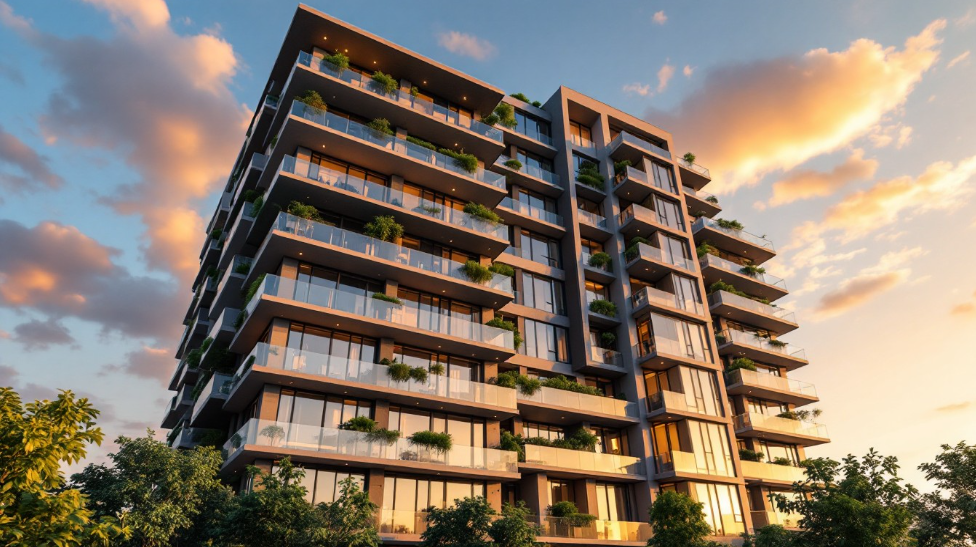
New York City’s affordable housing system is under severe financial strain, with landlords warning that without $1 billion in emergency support, widespread defaults could destabilize the sector. The New York Housing Conference reports that tens of thousands of the city’s 213,000 affordable units are now at risk. Rent increases have been tightly capped by the Rent Guidelines Board, often below 2% in recent years, while insurance premiums alone have surged by an average of 25% annually, alongside rising utility and maintenance costs.
Threat to Tenants and Landlords
The situation is particularly dire for the 20% of rent‑stabilized homes financed through public programs, which lack market‑rate units to offset losses. Landlords have already begun cutting back on maintenance, raising fears of deteriorating living conditions for tenants. Mayor‑elect Zohran Mamdani’s proposal to freeze rents across 1 million rent‑stabilized apartments could intensify the crisis, leaving owners with no financial flexibility.
Systemic Risks
Defaults would reverberate through the NYC Housing Development Corporation, which relies on loan repayments to meet bond obligations. A breakdown in this system could stall future affordable housing projects and increase borrowing costs citywide, undermining long‑term housing development.
Proposed Relief Measures
The Housing Conference is urging the city to commit $1 billion in 2026 for debt restructuring and targeted relief. Recommendations include:
- Creating a captive insurance program to stabilize premiums.
- Expanding rental assistance for vulnerable households.
- Freezing water rates for affordable housing providers.
- Allowing rent resets on long‑vacant units to restore financial balance.
With property tax exemptions already in place for most fully affordable buildings, advocates argue that direct financial intervention is the only viable path forward.