TEHRAN — In a move that could fundamentally alter global maritime commerce, Iranian lawmakers and officials are formally considering a proposal to levy transit fees and taxes on vessels passing through the Strait of Hormuz. The draft legislation, reported by the semi-official ISNA news agency on Thursday, March 19, 2026, seeks to monetize Tehran’s operational control over the world’s most critical energy chokepoint.
The proposal coincides with a declaration from Mohammad Mokhber, a senior advisor to the Supreme Leader and former Vice President, who stated that Iran will establish a “new regime” for the strait following the conclusion of current hostilities.
Monetizing Maritime Security
The proposed “security tax” is framed by Iranian lawmakers as compensation for the Islamic Republic’s role in maintaining the safety and navigation of the waterway.
- The Legislative Push: Lawmaker Somayeh Rafiei confirmed that parliament is pursuing a bill requiring countries using the strait for energy, food, and commercial transit to pay tolls.
- Targeting Sanctioning States: Mokhber indicated that the “new regime” would specifically allow Tehran to apply maritime restrictions and financial levies on states that have imposed economic sanctions on Iran.
- A Shift in Power: “At the end of this war,” Mokhber stated, “Iran will move from being a sanctioned country to a position of strength, using the strategic position of the Strait to sanction the West.”
Legal and Global Implications
The proposal to tax transit through an international strait marks a radical departure from established maritime law and the UN Convention on the Law of the Sea (UNCLOS).
- Violation of Transit Passage: Under international law, the Strait of Hormuz is classified as an international strait where “transit passage”—the right to continuous and expeditious navigation—cannot be suspended or taxed by coastal states.
- Economic Leverage: Before the current conflict effectively halted traffic on March 1, the strait handled roughly 20% of global oil and 20% of LNG trade. Analysts suggest that any permanent toll system would embed a “Tehran Tax” into global energy prices for decades.
- Alternative Corridors: In response to the threat of tolls and the ongoing blockade, shipping giants like CMA CGM have already begun exploring “land-bridge” alternatives, moving freight across the Arabian Peninsula via rail and road to bypass the waterway entirely.
Current Maritime Status (March 21, 2026)
As the debate over tolls continues in Tehran, the physical reality in the Persian Gulf remains one of near-total standstill:
- 95% Traffic Drop: Commodities carriers have made only 114 crossings this month, compared to over 2,200 during the same period in 2025.
- Selective Passage: Intelligence reports from Windward and Lloyd’s List indicate that Iran is allowing a “trickle” of traffic—primarily Iranian-flagged vessels or those from “friendly” nations—while maintaining a blockade on Western-linked tankers.
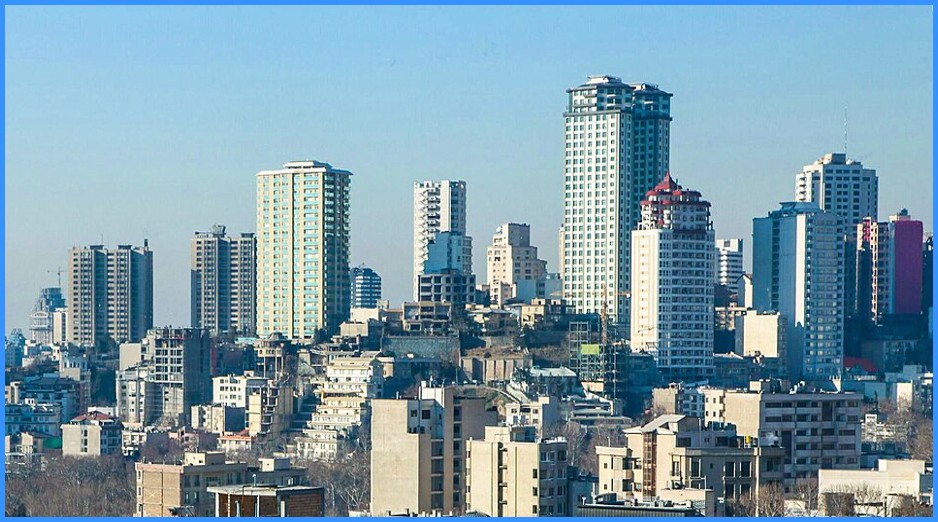
Tehran from Qeytariyeh, Image by ninara