BRUSSELS / THE HAGUE — The Netherlands has formally proposed a fresh wave of European Union sanctions against Tehran, following two weeks of intensifying anti-government protests and a state crackdown that rights monitors describe as the deadliest in the Islamic Republic’s modern history.
As of January 13, 2026, Dutch Foreign Minister David van Weel has spearheaded a diplomatic push within the EU to freeze the assets of individuals and entities directly involved in the suppression of civilians. The move comes as unverified reports from activists and international news agencies suggest the death toll has spiraled into the thousands amid a near-total digital blackout.
Geopolitics: A Shift Toward IRGC Terror Designation
The Dutch proposal has reinvigorated a long-standing debate within Brussels regarding the legal status of the Islamic Revolutionary Guard Corps (IRGC). While the EU has previously hesitated to designate the IRGC as a terrorist organization, the scale of the current violence has shifted the political calculus.
- Diplomatic Expulsions: The European Parliament has already taken the unprecedented step of barring Iranian diplomats from its premises in Strasbourg and Brussels.
- Dutch Leadership: Minister van Weel summoned the Iranian ambassador in The Hague this week, expressing “shock and revulsion” at the reports of extrajudicial killings.
- Transatlantic Pressure: U.S. President Donald Trump has further complicated the geopolitical landscape by threatening a 25% tariff on any nation continuing to trade with Tehran, while simultaneously signaling that Washington is “briefing options” for potential military deterrence.
Business & Economy: Hyperinflation and Trade Barriers
The current unrest, which began on December 28, 2025, was initially ignited by a catastrophic economic collapse. Hyperinflation and the free-fall of the Iranian rial have eroded the social contract, leading to widespread strikes in major markets and industrial sectors.
The proposed EU sanctions are expected to target:
- Individual Asset Freezes: Blacklisting high-ranking officials within the security apparatus.
- Financial Restrictions: Further limiting the IRGC’s ability to access international capital markets.
- Trade Deterrence: Strengthening the “snap-back” mechanisms that were reinstated in late 2025 following the final collapse of the JCPOA.
Tech & Connectivity: The Digital Iron Curtain
For over 100 hours, Iran has been submerged in a near-total internet shutdown. Tech monitors report that authorities have disabled mobile data, text messaging services, and encrypted platforms to prevent the coordination of protests and the leakage of “citizen journalism” footage.
Despite the blackout, fragmented video evidence has reached the West, purportedly showing mass casualties in Tehran suburbs like Kahrizak. The EU is reportedly considering specific sanctions against Iranian tech firms and officials responsible for “digital repression” and the implementation of the national intranet.
Human Rights & Security: Reports of a “Massacre”
The human rights situation has reached what the United Nations describes as a “critical threshold.” While Iranian state media characterizes the protesters as “foreign-backed terrorists,” independent monitors such as Amnesty International have verified the use of live ammunition and metal pellets against demonstrators in at least 13 cities.
- Casualty Estimates: While official state figures remain low, groups like Iran Human Rights have documented over 600 deaths. However, some sources, including CBS News, cited internal data suggesting the toll could be significantly higher, with thousands feared dead or missing.
- Judiciary Hardline: The Iranian Head of the Judiciary has ordered “no leniency” for arrested protesters, leading to fears of mass executions.
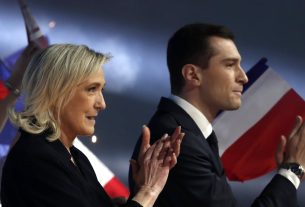
Dick Schoof, Netherlands PM, and Ursula von der Leyen, EC President Picture by Bogdan Hoyaux – European Commission