Morocco is accelerating its shift toward large‑scale desalination, with the government announcing plans to source 60% of the nation’s drinking water from desalinated seawater by 2030. The move marks one of the most ambitious water‑security strategies in Africa as the country confronts nearly a decade of severe and persistent drought.
Morocco’s reservoirs have fallen to historic lows in recent years, with rainfall patterns disrupted by climate change and rising temperatures placing unprecedented pressure on agriculture, cities and industry. The government has responded with a rapid expansion of desalination plants along the Atlantic and Mediterranean coasts, positioning the technology as the backbone of the country’s long‑term water strategy.
A National Pivot Toward Seawater Desalination
The plan includes the construction of new large‑capacity desalination facilities and the expansion of existing plants in Casablanca, Agadir, Safi, Dakhla and Nador. Several of these projects are being developed through public‑private partnerships, with renewable energy — particularly solar and wind — increasingly integrated to reduce operating costs and emissions.
Officials say the shift is essential to stabilise drinking‑water supplies for major urban centres and safeguard economic sectors such as tourism and agri‑food production, which have been heavily affected by water scarcity.
Climate Pressures Driving Urgency
Morocco has endured almost ten consecutive years of drought, with rainfall deficits pushing farmers to abandon crops, forcing tighter water restrictions and prompting emergency measures in multiple regions. The government has warned that without structural reforms, water stress could become a chronic national crisis.
A Strategic Bet on Long‑Term Water Security
By 2030, desalination is expected to become Morocco’s primary source of potable water, reducing dependence on depleted dams and over‑extracted groundwater. The strategy aligns with the country’s broader climate‑adaptation agenda, which includes investments in wastewater reuse, irrigation modernisation and renewable‑powered infrastructure.
As Morocco races to secure its water future, the success of its desalination programme will be closely watched across North Africa and the wider Mediterranean — regions facing similar climate‑driven water challenges.
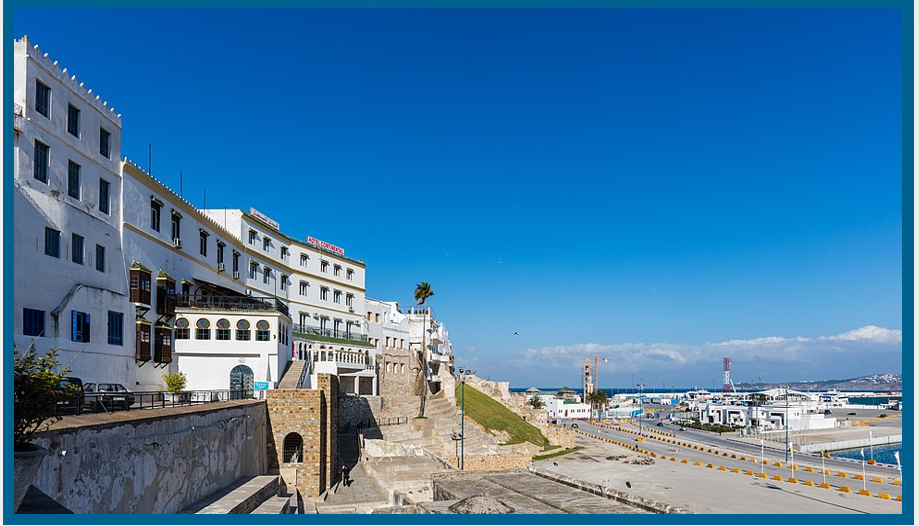
Continental Hotel, Tangier, Morocco Picture by Diego Delso