DUBLIN/MUSCAT — The first government-chartered flight tasked with repatriating stranded Irish citizens from the Middle East has been delayed until Saturday afternoon, Foreign Affairs Minister Helen McEntee confirmed on Friday, March 6, 2026. The flight, originally scheduled to depart Muscat, Oman, this evening, was postponed due to the “highly challenging operational context” currently paralyzing aviation across the region.
The mission, which aims to transport approximately 280 vulnerable passengers—including children, the elderly, and those with urgent medical needs—remains a critical pillar of Ireland’s response to the widening conflict.
“Operational Realities” in a War Zone
The delay is a direct consequence of the volatility in regional airspace, which has seen repeated flight cancellations and unpredictable security alerts since hostilities flared on February 28.
- Overnight Accommodation: To support the passengers who had already traveled from the UAE to Oman via bus, the Department of Foreign Affairs has confirmed it will cover all costs for overnight hotel accommodation in Muscat.
- Prioritizing the Vulnerable: Embassies in Abu Dhabi and Dubai have been working around the clock to organize these complex land transfers, ensuring that those in most urgent need reached the Omani capital safely for the flight.
- Commercial Resumption: Despite the charter setback, Minister McEntee welcomed the gradual restoration of direct commercial flights between Dubai and Dublin. Two flights landed at Dublin Airport earlier this week, with a third arrival expected later tonight.
A “Twin-Track” Strategy
The Irish government continues to operate a “twin-track” approach to the crisis, balancing the use of subsidized charters with the encouragement of commercial travel for those who can secure seats.
“Intensive efforts to bring Irish citizens home are continuing,” McEntee stated, urging citizens who remain in countries like Qatar and Kuwait to stay in close contact with the Consular Crisis Centre for updates on emerging exit options.
While the charter delay is a blow to those waiting in Muscat, officials emphasize that safety remains the paramount concern. The charter service, which mirrors the cost-sharing model utilized during the pandemic, remains a vital lifeline for thousands who are unable to navigate the fractured commercial aviation network.
For the citizens currently in Oman, the extra 24 hours of waiting are a tense footnote to an already harrowing week. However, the government remains committed to the flight’s departure, with current plans targeting a Saturday afternoon takeoff for Dublin.
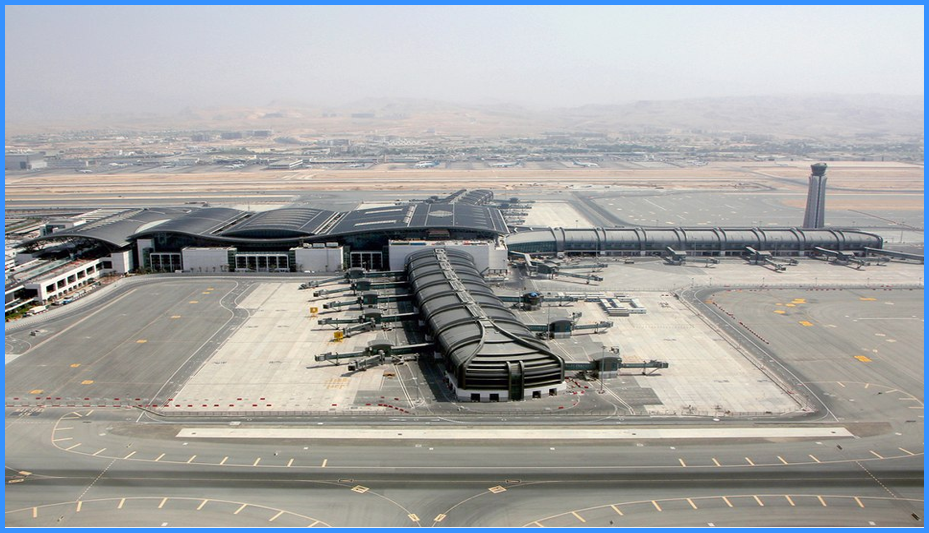
Oman International Airport, Muscat Flickr Picture By Konstantin von Wedelstaedt