OTTAWA — In a critical intervention for Canada’s refugee system, the Canadian Bar Association (CBA) has issued an urgent public letter calling on the Senate to freeze or fundamentally amend Bill C-12. Representing over 40,000 legal professionals, the CBA warns that the proposed “Strengthening Canada’s Immigration System and Borders Act” risks violating the Canadian Charter of Rights and Freedoms by stripping asylum seekers of essential procedural safeguards.
The bill, which reached a pivotal third reading today, February 26, 2026, has become a lightning rod for human rights concerns. At the heart of the legal outcry is a new “two-tier” asylum structure that lawyers argue replaces due process with administrative speed.+1
The “One-Year Bar” and 14-Day Deadline
Bill C-12 introduces strict, arbitrary timelines that legal experts say ignore the complexities of modern displacement:
- The One-Year Rule: Asylum seekers would be barred from an oral hearing before the Immigration and Refugee Board (IRB) if they fail to claim refugee status within 12 months of their first entry into Canada.
- The Border Deadline: Those entering from the U.S. land border between ports of entry would have just 14 days to file a claim or face immediate ineligibility.
- Paper-Based Appeals: Late claimants would be diverted to a “Pre-Removal Risk Assessment” (PRRA)—a paper-only process overseen by a single officer, which the CBA describes as a “structural downgrade” lacking the fairness of a full tribunal.
“Public Interest” or Unchecked Power?
The legislation also grants the Governor in Council (Cabinet) sweeping new authority to cancel, suspend, or modify immigration documents—including existing permanent residency applications—whenever it is deemed in the “public interest.”
Critics argue the term “public interest” is dangerously vague, granting the executive branch the power to revoke the status of thousands of workers, students, and migrants without judicial oversight or a clear right to appeal. While the government maintains these tools are needed to combat fraud and national security threats, the Standing Senate Committee on Social Affairs (SOCI) recommended on February 20 that these broad powers be deleted entirely.+1
A Departure from Legal Precedent
The CBA’s letter reminds lawmakers of the 1985 Supreme Court Singh decision, which established that Section 7 of the Charter guarantees anyone physically in Canada the right to an oral hearing if their life or liberty is at stake. By moving toward a system that favors administrative efficiency over personal testimony, advocates warn Canada is retreating from its obligations under the 1951 Refugee Convention.
As the Senate prepares for a final vote, the political rift is deepening. While B.C. Premier David Eby and other leaders have pushed for the bill to close “loopholes” exploited by criminal elements, human rights groups argue that the current draft disproportionately harms the most vulnerable, including 2SLGBTQI+ claimants and survivors of gender-based violence who may not feel safe disclosing their status within the bill’s narrow windows.
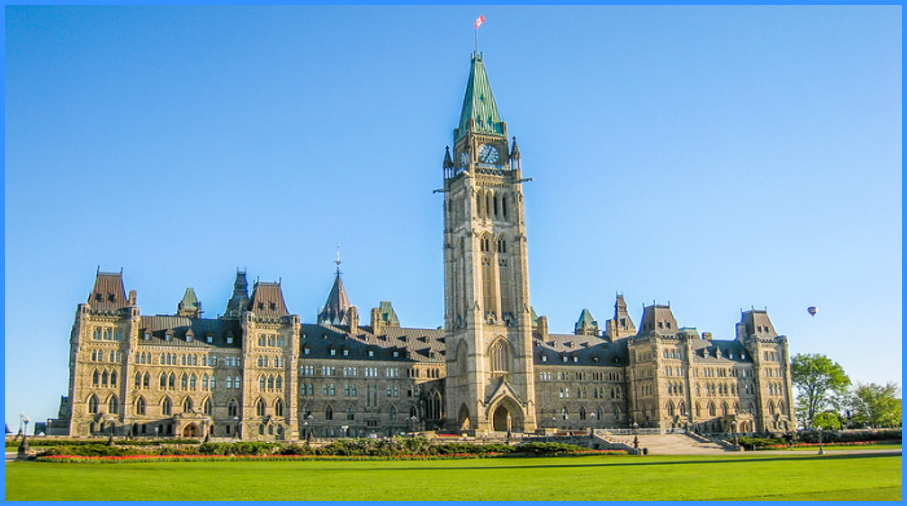
Canadian Parliament Building by Paul VanDerWerf (Flickr)