Last week marked six years since Rwandan gospel singer and peace advocate Kizito Mihigo died in police custody. While his suspicious death remains unexplained, it clearly signaled the government’s deepening repression of free speech.
A survivor of the 1994 genocide, Mihigo’s music centered on forgiveness and compassion. He was arrested in 2014 on charges of offenses against the state stemming from a song he wrote expressing solidarity with genocide victims and others killed in retaliatory violence. While authorities pardoned him in 2018, he told Human Rights Watch he remained under close scrutiny.
On February 17, 2020, Rwandan authorities announced Mihigo had died in a cell at Remera Police Station, four days after he was rearrested as he sought to leave the country. Before his death, Mihigo told Human Rights Watch he was being threatened and feared state agents might kill him.
Mihigo’s willingness to question elements of the government’s official narrative around the genocide made him a target. After his death, genocide survivors publicly criticized the ruling Rwandan Patriotic Front (RPF) and demanded accountability. There has been no credible investigation into his death.
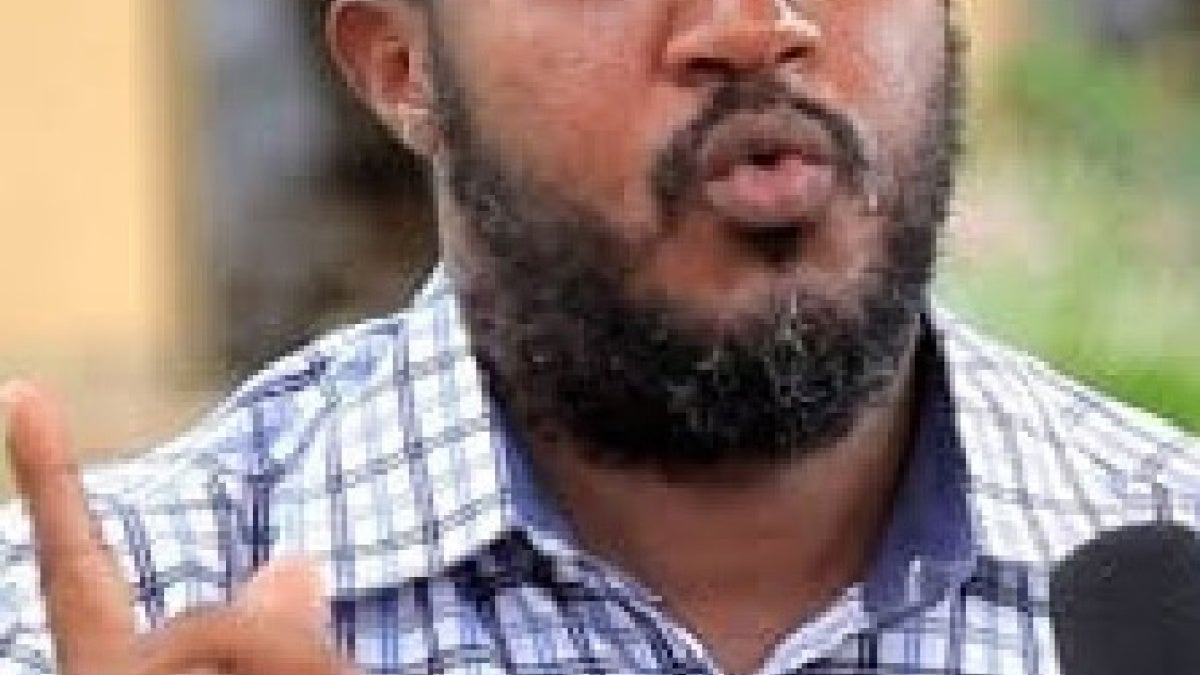
Six years on, other prominent critics continue to be imprisoned. Blogger and commentator Aimable Karasira has been detained since May 2021 and has reported being tortured in custody. Before his arrest, he had spoken publicly about losing family members to both Hutu extremists and the RPF during and after the genocide.
In September 2025, Karasira was convicted of inciting “divisionism” and sentenced to five years in prison. With less than a year of his sentence to complete, prosecutors appealed the decision to acquit him of several charges, including genocide denial and justification, and sought a 30-year sentence. His bank accounts remain frozen.
While governments have a duty to combat incitement to violence and hate speech, Rwandan authorities have repeatedly used broadly defined laws on “genocide ideology” and “genocide denial” to silence dissent.
Mihigo’s death in custody and Karasira’s prosecution highlight the reprisal those who challenge official narratives in Rwanda can face. As Karasira faces a possible decades-long sentence, Rwanda’s judiciary and its willingness to protect the right to free speech, including of victims and survivors of the worst crimes, is being put to test. Authorities should release all those jailed for exercising this fundamental right, starting with Karasira.