In a coordinated diplomatic response on January 3, 2026, Ireland and the European Union have signalled deep concern following the U.S. military operation that resulted in the capture of Nicolás Maduro. The joint stance seeks to navigate a complex middle ground: upholding the longstanding position that the Maduro administration lacks democratic legitimacy while firmly cautioning against unilateral military actions that bypass international legal standards.1
Irish Minister for Foreign Affairs Helen McEntee and EU High Representative Kaja Kallas emphasized that while the transition in Caracas is necessary, it must be “peaceful and negotiated” in accordance with the UN Charter.2
The UK and UN: A Chorus of Caution
The international reaction has been characterized by a notable distancing from the U.S. strategy by traditional allies and global bodies.3
- UK Distance: British Prime Minister Keir Starmer clarified on Saturday that the United Kingdom was “not involved in any way” in the operation.4 While describing the situation as “fast-moving,” Starmer stressed the importance of establishing the facts and underscored his belief that all nations should “uphold international law.”5 His cautious tone highlights a delicate diplomatic tightrope between maintaining the “Special Relationship” and adhering to multilateral norms.6
- UN “Deeply Alarmed”: UN Secretary-General António Guterres issued a stern warning through a spokesperson, describing the U.S. action as a “dangerous precedent.”7 Guterres expressed deep concern that the rules of international law were not respected and called for “inclusive dialogue” rather than external force to resolve the Venezuelan crisis.8
The Legitimacy vs. Legality Debate
European leaders are grappling with the reality of Maduro’s removal—a goal they have shared for years—achieved through methods they find legally problematic.
| Diplomatic Entity | Position on Maduro | Position on U.S. Operation |
| Ireland (DFA) | Illegitimate leader. | Demands “full respect” for UN Charter. |
| United Kingdom | Recognizes regime as brutal. | Disavows involvement; calls for legal adherence. |
| European Union | Lacks democratic mandate. | Urges “restraint” and warns against force. |
| United Nations | Non-committal. | Labels the strike a “dangerous precedent.” |
Security and Consular Priority
As the U.S. prepares for a landmark news conference at Mar-a-Lago, European and British diplomats have shifted their focus to the immediate safety of their citizens.
- Shelter in Place: The Department of Foreign Affairs (DFA) in Dublin and the Foreign, Commonwealth & Development Office (FCDO) in London have both upgraded Venezuela to a “Red / Do Not Travel” status.
- Consular Coordination: With Caracas under a state of emergency declared by the remaining Venezuelan cabinet, the EU and UK are coordinating with their respective embassies on the ground to provide support for the hundreds of European and British nationals currently in the country.
- Regional Stability: There is significant concern regarding the potential for a refugee surge into Colombia and Brazil, both of which have already mobilized security forces to their borders in response to the Caracas strikes.9
While the “illegitimacy” of the Maduro era is a point of consensus, the “legality” of its end has become the central friction point for 2026. The international community now faces the challenge of managing a transition that many desired, but few expected to happen through a pre-dawn military raid.
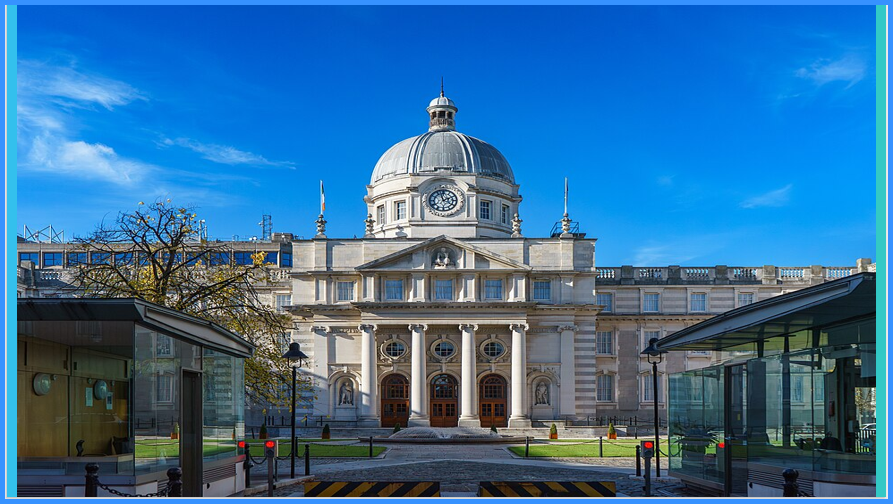
Government-Buildings-Dublin-By-David-Kernan