When indoor air pollution makes the news in western countries, it often feels like a local issue. One week it focuses on wood-burning stoves. Another it is gas cookers or the question of whether people should open their windows more often in winter.
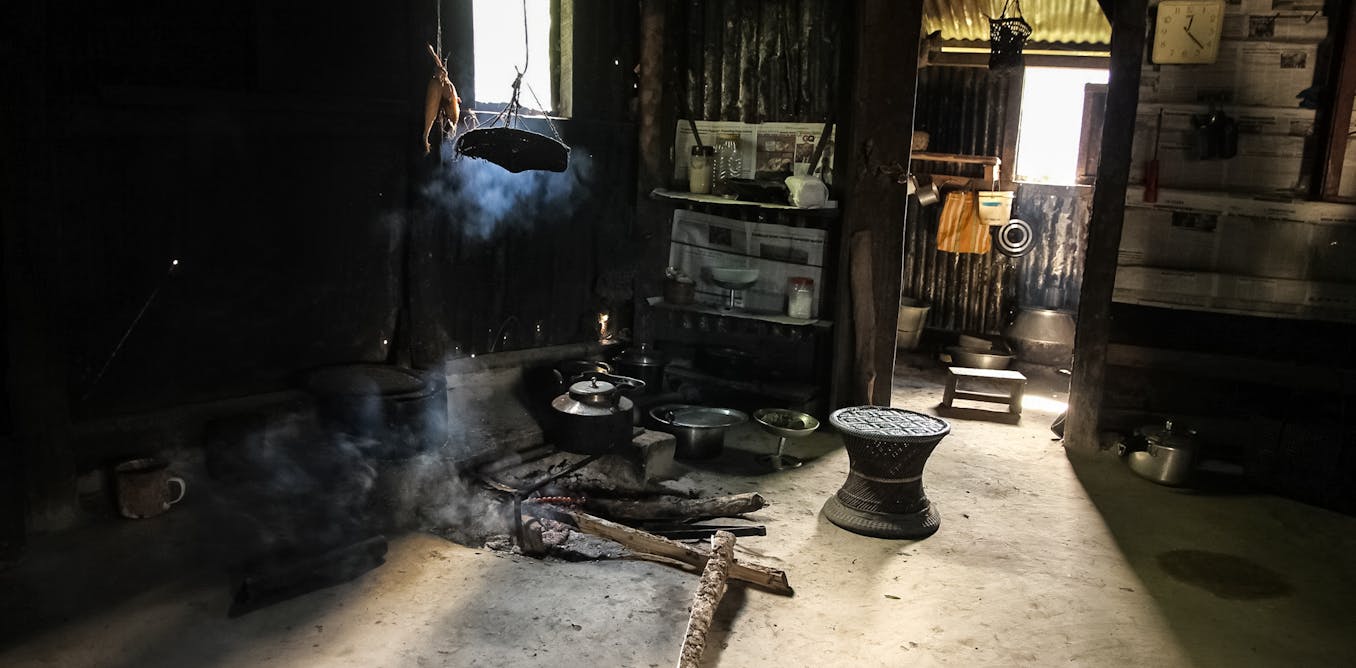
In developing countries, indoor air pollution is framed as a development problem, linked to people cooking and heating with wood, charcoal or other solid fuels, often in homes with limited ventilation.
These two debates rarely meet. Our new study, which analyses air pollution mortality risk across 150 countries, suggests they describe the same public health challenge.
We have found that air pollution, including exposure inside homes, contributes substantially to premature death worldwide – that is, deaths occurring earlier than expected due to air pollution-related increases in disease risk. Exposure levels and sources vary widely, but indoor air pollution consistently adds to national mortality risk across income levels.
One problem, different sources
When indoor air pollutants enter the lungs, they can trigger inflammation and place long-term strain on the heart and respiratory system. The same biological processes occur when pollution comes from a wood stove in a rural village or from a poorly ventilated cooker in a modern flat.
Our study does not measure household-level exposure or behaviour. Instead, taking a wider view, we studied country-level patterns and examined how access to clean cooking fuels, electricity, healthcare and broader socioeconomic conditions relate to air pollution mortality risk.
Our results show a clear and consistent pattern. Countries such as the UK with greater access to clean household energy and stronger health systems experience much lower mortality risk linked to air pollution. Countries such as Benin, Cameroon, Guinea, Sierra Leone and Togo, where energy deprivation remains widespread, face far higher risks.
Most existing research on indoor air pollution focuses on rural households and communities. Such work is essential, but it misses the bigger structural picture. Our research reveals the global picture and shows that the same broad drivers influence risk across the world.
At a macro level, access to clean fuels and reliable electricity lowers air pollution mortality risk. Higher healthcare spending also decreases this risk. Larger rural populations and limited household energy access increases such risk.
These patterns help explain why air pollution deaths remain concentrated in emerging and developing economies, while advanced economies experience far fewer deaths, even though air pollution has not disappeared. They also show that indoor and outdoor air pollution cannot be treated as separate problems, because both reflect how energy is produced, used and regulated.

Andrey_Popov/Shutterstock
In the UK, people spend most of their time indoors, especially during winter. Heating, cooking and reduced ventilation can raise indoor pollution levels, particularly in poorly ventilated homes. Recent debates about wood-burning stoves reflect growing concern about these risks.
Our research does not assess indoor air quality in UK homes directly. What it offers instead is context. It places the UK debate within a wider pattern where household energy systems shape health outcomes.
The situation in the UK looks less like a narrow lifestyle issue and more like part of a broader global environmental health challenge. This links indoor air quality to energy policy, housing standards and long-term public health costs, not just personal choice.
On one hand, reducing indoor air pollution does not require drastic change in the UK. Simple steps such as using extractor fans when cooking, ventilating homes regularly and ensuring heating appliances are properly maintained can lower exposure. On the other hand, reducing indoor air pollution in developing countries requires access to clean cooking fuels and technology, rural electrification and greater healthcare expenditure.
At a wider level, our findings underline the importance of clean household energy and strong health systems in reducing deaths linked to air pollution. These factors contribute to risk levels across countries, even when the sources of pollution differ.
Indoor air pollution is often treated as either a development issue or a domestic heating issue. Our research suggests it makes more sense to see it as one shared global and national health challenge, with common health effects and structural roots. This connects the indoor air pollution issue more directly to global public health – and the case for action becomes much clearer.

The authors do not work for, consult, own shares in or receive funding from any company or organisation that would benefit from this article, and have disclosed no relevant affiliations beyond their academic appointment.