GENEVA/DUBAI — A widening “logistical paralysis” is gripping international relief efforts as the U.S.-Israeli conflict with Iran enters its second week. Ten senior humanitarian officials told Reuters on Friday, March 6, 2026, that the closure of Middle Eastern airspace and the near-total suspension of shipping through the Strait of Hormuz are obstructing life-saving shipments to the world’s most acute crisis zones, from the famine-threatened streets of Sudan to the ruins of Gaza.
The disruption is not merely regional; it is a systemic shock to the global humanitarian architecture, as the Middle East serves as the primary “bridge” for aid flowing between Europe, Asia, and Africa.
The Dubai Hub: A “Frozen” Lifeline
The epicenter of the crisis is Dubai’s International Humanitarian City (IHC), the world’s largest relief hub. With Jebel Ali Port sustaining damage from intercepted missile debris and local airspace restricted to military and emergency evacuations, the hub’s operations have ground to a halt.
- WHO Blockage: The World Health Organization confirmed that over 50 emergency requests from 25 countries are currently frozen. This includes $6 million in medicines destined for Gaza and critical polio vaccination supplies that require temperature-controlled transit.
- Trauma Kits Stranded: The International Federation of Red Cross (IFRC) reports that $13 million in trauma and search-and-rescue kits are currently trapped in Dubai warehouses, unable to reach the Iranian Red Crescent or other regional responders.
- Gaza Supply Chain: Essential shelter materials—including tents, tarpaulins, and solar lamps—are currently “stuck in the pipe,” according to the International Organization for Migration (IOM).
The Long Way Around: Costs and Delays
With the Suez Canal and the Bab el-Mandeb Strait effectively inaccessible for many commercial and aid vessels, agencies are being forced to reroute cargo around the Cape of Good Hope.
- The Time Tax: Rerouting around Africa adds up to three weeks to delivery times, a delay that Jean-Martin Bauer of the World Food Programme (WFP) warns will leave millions facing “protracted hunger.”
- The “War Surcharge”: Shipping firms have implemented emergency surcharges of approximately $3,000 per container. For cash-strapped NGOs already facing significant donor cuts in 2026, these soaring costs may necessitate a reduction in the volume of aid delivered.
- Sudan’s Vulnerability: Already suffering from the world’s largest displacement crisis, Sudan is uniquely exposed. The UN Refugee Agency (UNHCR) warned that the closure of Red Sea routes has “severely compromised” the delivery of fuel and food to the country’s famine-hit Darfur region.
The Call for “Humanitarian Corridors”
As medical systems across the Middle East buckle under the pressure of new casualties and fuel shortages, relief leaders are pleading for a “carve-out” from the hostilities. Emma Maspero, a senior manager at UNICEF, urged warring parties to prioritize flights carrying perishable goods like vaccines and insulin.
“Humanitarian access is not optional; it is a legal obligation,” noted a joint statement from the Inter-Agency Standing Committee (IASC). “Each day these corridors remain choked, the cost is measured not in dollars, but in preventable deaths.”
A Widening Arc of Misery
The impact is now felt as far afield as Afghanistan and Yemen, where UN humanitarian flights have been grounded due to regional volatility. By weaponizing—intentionally or otherwise—the world’s most critical transit hubs, the current conflict is effectively “exporting” the suffering of the Iran war to every corner of the Global South.
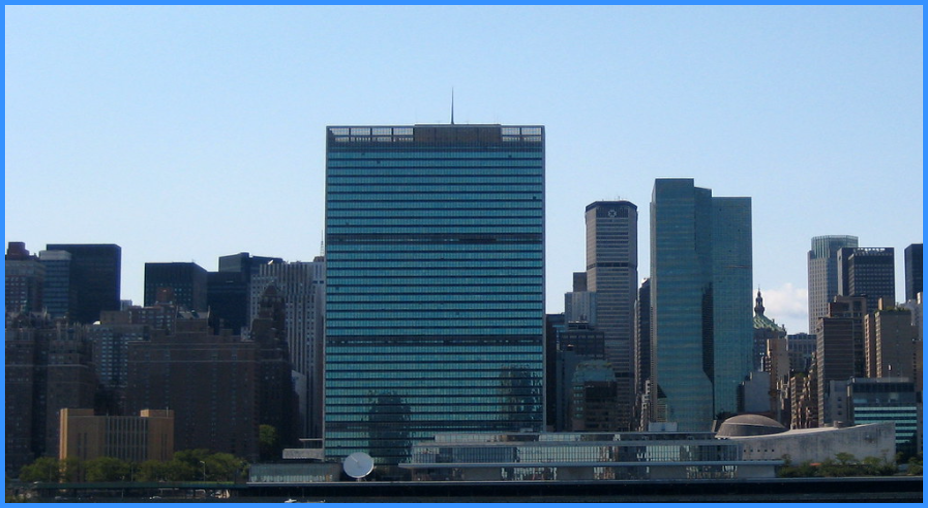
The-United-Nations-Hq-NYC-by-Wally-Gobetz.