Shayan Sardarizadeh, a journalist at BBC Verify, warned on March 9 that great care was needed in publishing analysis of videos from Iran to avoid putting people at risk of identification and detention. He highlighted the risk that publishing the coordinates of videos could reveal the home addresses of the people who had filmed them.
He illustrated this risk by highlighting two videos that the Islamic Revolutionary Guard Corps’ Intelligence Organization had recently published. Both showed the arrest of several Iranians, allegedly for filming and sharing videos of US-Israeli strikes that they had taken from the windows of their homes. The videos included coerced “confessions” of detainees with intelligence officials threatening them with long prison terms.
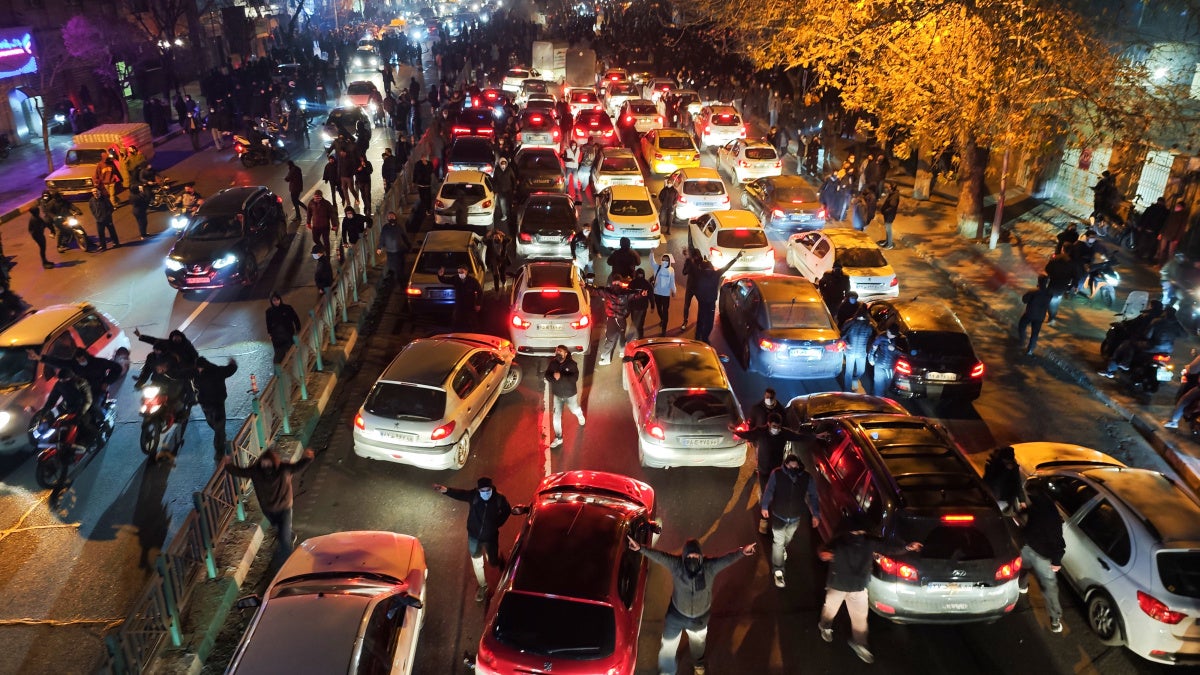
This is a warning that Human Rights Watch takes seriously. Since January, Human Rights Watch has documented massacres of protesters and bystanders and their arbitrary arrests and forced disappearances in Iran. With no physical access to the country and a government that has imposed severe communications restrictions, open-source information is essential to the analysis. Researchers painstakingly geolocated one key video filmed during that period to a major road in a small town. In line with the organization’s efforts to be transparent, researchers discussed including the name of the town. However, the video was clearly taken from an apartment building.
Iran researcher Bahar Saba documented how security forces were going to people’s homes, searching through their phones and threatening and arresting people they suspected were uploading videos online.
In light of this risk, researchers decided to omit the name of the town in the video and keep the location vague. This is in line with Human Rights Watch’s policy of not hyperlinking to sensitive footage, including coordinates or detailed descriptions of footage taken from someone’s house or other sensitive locations that we take as a precaution.
During wars and crises, publicly available information is essential for the documentation of violations of international human rights law and international humanitarian law. Human Rights Watch is aware that although this information is public, sharing it still runs a risk of putting people in harm’s way. Researchers at the organization mitigate this by excluding detailed information that might put people at risk, while working closely with people who have the contextual knowledge needed to help make these decisions.