(New York) – A Hong Kong court’s conviction of the father of a prominent US‑based democracy activist on February 11, 2026, reflects the Chinese government’s escalation of its campaign of transnational repression, Human Rights Watch said today.
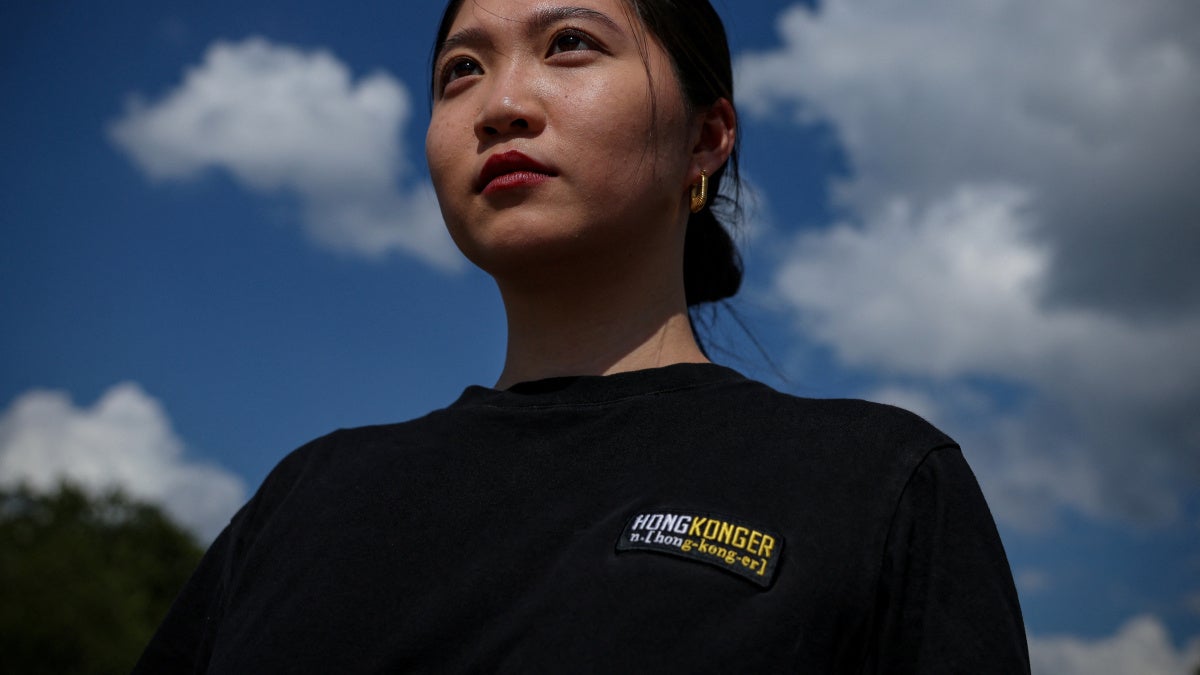
The West Kowloon Magistrates’ Court convicted Kwok Yin-sang, 68, of a national security offense. He is the father of Anna Kwok, 28, the former executive director of the Washington DC-based Hong Kong Democracy Council. It is the first time Hong Kong authorities have convicted a family member for an overseas activist’s peaceful advocacy.
“The conviction of Anna Kwok’s father is both cruel and unjust, and highlights the lengths the Chinese authorities will go to pressure activists abroad,” said Elaine Pearson, Asia director at Human Rights Watch. “Prosecuting a democracy advocate’s parent is an unlawful form of collective punishment as well as an afront to basic decency.”
The Hong Kong authorities should immediately quash the case against Kwok and release him. The sentencing hearing is scheduled for February 26; Kwok faces up to seven years in prison.
Kwok Yin‑sang was arrested on April 30, 2025, under section 90 of the Safeguarding National Security Ordinance (also known as Article 23), which criminalizes direct or indirect financial dealings with an “absconder,” a person living abroad accused of a national security offense. The case centers on the ownership of an AIA International insurance policy Kwok opened for his daughter when she was two years old. The judge ruled that when Kwok had tried to cancel the policy, he was aware that he was handling funds belonging to his daughter.
In July 2023, Anna Kwok was among the first group of eight overseas activists that the Hong Kong authorities targeted with arrest warrants and HK$1 million (US$129,000) bounties under the city’s China-imposed National Security Law. Since then, Hong Kong police have issued similar baseless arrest warrants and bounties against 19 exiled Hong Kong activists.
The Hong Kong authorities have also sought to intimidate dozens of their family members, primarily by interrogating them. The authorities confiscated HK$800,000 (US$103,000) from the Australian-based former legislator Ted Hui, and his family for allegedly violating the National Security Law.
Collective punishment—penalizing individuals for the actions of others—violates international human rights law protections of the rights to liberty and security of person and to a fair trial.
The 19 wanted activists have faced a range of harassment. The Hong Kong government has cancelled 13 of their passports, including Anna Kwok’s. Unidentified individuals have targeted them with anonymous harassing and defamatory letters, including sexually explicit deepfakes depicting them and their families. The activists have also experienced online harassment campaigns, including rape and death threats.
The activists live in Australia, Canada, the United Kingdom, and the United States. In 2025, the US government sanctioned six Hong Kong officials for using the National Security Law “extraterritorially to intimidate, silence, and harass” activists. The other three governments have issued statements condemning the warrants but have taken no meaningful action to hold Hong Kong officials accountable. The US is also the only country to arrest an individual for allegedly harassing a Hong Kong activist on its soil, though that person was later acquitted.
Australia, Canada, the UK, and the European Union—each with its own human rights sanctions regime—should impose targeted sanctions and visa restrictions on Chinese and Hong Kong officials responsible for serious rights violations, including transnational repression, Human Rights Watch said.
Since 2020, when Beijing imposed the National Security Law on Hong Kong, over 200,000 Hong Kongers have left the city, including many activists who have continued their advocacy from abroad. Governments should strengthen protections for these activists, including by expediting their and their families’ asylum applications, and by establishing national mechanisms to counter transnational repression.
Transnational repression can be defined as government actions beyond national borders to suppress or stifle dissent by targeting critics—including human rights defenders, journalists, academics, and political opponents—particularly those from that country.
“Beijing’s acts of repression beyond its borders will continue until governments forcefully push back,” Pearson said. “Affected governments should send a strong signal to the Chinese government that it cannot silence dissent and manipulate global conversations about China with impunity.”