A new United Nations report details how criminal groups in Haiti are exploiting the near-total absence of the state, as well as widespread hunger and violence, to recruit children who then face abuse. These criminal groups traffic children by using threats and material incentives to force them into criminal activity, sexual abuse, and sexual slavery.
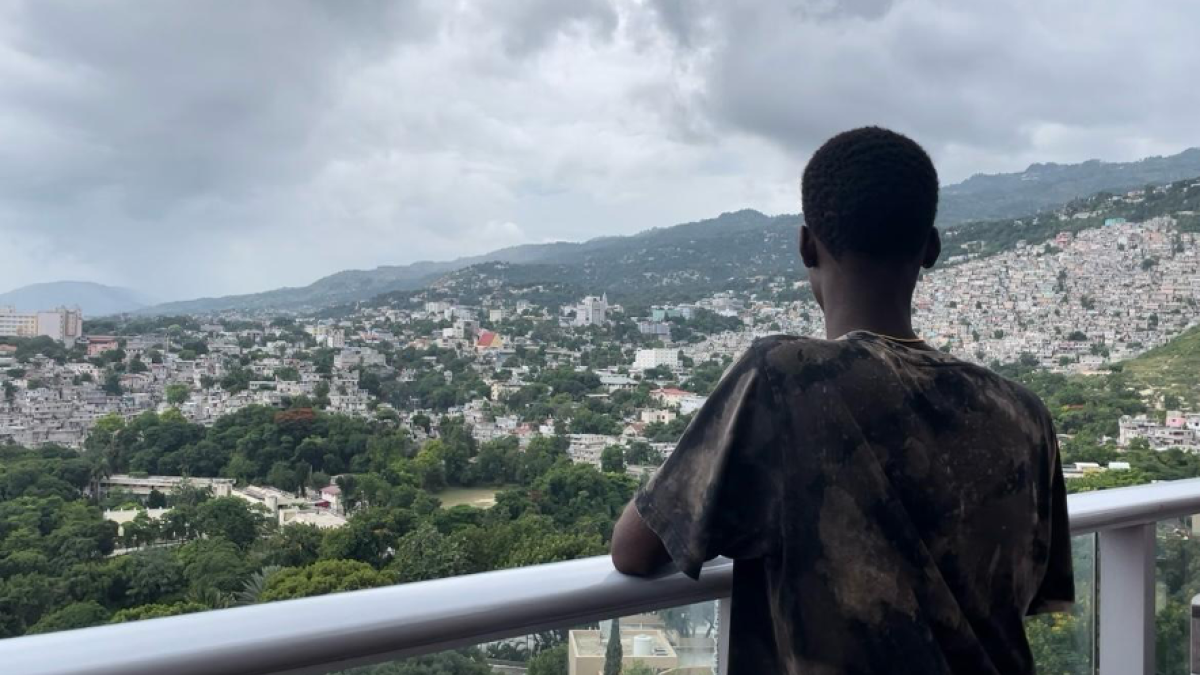
At least 26 criminal groups operate in and around Haiti’s capital, Port-au-Prince, where an estimated 500,000 children live in areas under their control. The UN Children’s Fund (UNICEF) recently stated that child recruitment tripled in 2025, with children estimated to make up between 30 to 50 percent of criminal groups.
According to the new report, issued by the Office of the UN High Commissioner for Human Rights and the UN Integrated Office in Haiti, these groups use children in often dangerous roles that help strengthen the groups’ power and profits. Boys are deployed as lookouts to track police movements, forced to transport weapons and ammunition, collect extortion payments, and take part in kidnappings and fighting. Some are subjected to violent initiation rites, the report says, including beatings and forced participation in killings and rapes, which appear designed to “isolate the children from their families and communities.”
The report found that girls as young as 12 face sexual exploitation and sexual slavery, including in the form of coerced “relationships” with criminal group members. While they are often forced to perform domestic work, some are also used to gather intelligence, assist in criminal operations, and in certain groups wield weapons. Children who attempt to escape, as well as their families, risk violent retaliation.
These findings are consistent with Human Rights Watch’s documentation of serious abuses against children by criminal groups and the failure of Haitian authorities to prioritize children’s protection and rehabilitation. Social protection programs cover only a small number of vulnerable households. Schools, which should be protective spaces, remain closed in many areas that criminal groups control.
Haitian transitional authorities should strengthen social protection programs for families in vulnerable situations, ensure schools can function as safe spaces, expand access to psychosocial care, and develop community-based reintegration programs for children who experience serious abuse.
Without immediate action to help children leave criminal groups and reintegrate into communities safely, the criminal groups will continue to profit from exploiting them. Through sustained reforms and strong international support, Haiti can begin to restore trust in state institutions and break the cycle of abuse.