MUKALLA, Yemen — The decade-long conflict in Yemen has entered its most volatile phase to date, but the threat no longer stems solely from the Houthi insurgency in the north.1 On December 30, 2025, a long-simmering rivalry between the United Arab Emirates (UAE) and Saudi Arabia exploded into overt military and diplomatic confrontation, effectively shattering the anti-Houthi coalition and pushing southern Yemen toward a new civil war.2
In a series of rapid-fire escalations, Saudi-led airstrikes targeted Emirati-linked shipments, while the internationally recognized government ordered the immediate expulsion of all UAE forces.3
Chronology of a Crisis: The Battle for the South
The current skirmish is the result of a fundamental divergence in geopolitical goals.4 While Riyadh seeks a unified Yemen as a buffer against Iranian influence, Abu Dhabi has increasingly championed southern separatism to secure strategic maritime corridors.5
- The Military Spark: On Tuesday, Saudi-led coalition aircraft bombed the port of Mukalla.6 Riyadh alleged the strike targeted “unauthorized” Emirati weapons destined for the Southern Transitional Council (STC), a separatist group seeking to restore the independent state of South Yemen.7
- The Diplomatic Break: Following the strike, Presidential Leadership Council (PLC) Chairman Rashad al-Alimi—backed by Saudi Arabia—declared a 90-day state of emergency, cancelled a 2022 defense pact with the UAE, and ordered all Emirati forces to withdraw within 24 hours.8
- The UAE Response: The UAE Ministry of Foreign Affairs “categorically rejected” allegations of fueling conflict, insisting the shipment contained only logistical vehicles.9 Nevertheless, Abu Dhabi announced it would pull its remaining counter-terrorism teams “of its own volition” while reaffirming its absolute support for its local allies.10
A Divided Anti-Houthi Front
The collapse of the Presidential Leadership Council (PLC) has created a dangerous power vacuum. The council, once an eight-member body intended to unite various factions, is now paralyzed by internal dissent.
| Faction | Primary Backer | Strategic Goal |
| PLC (Al-Alimi) | Saudi Arabia | Maintaining a unitary Yemeni state; securing the Saudi border. |
| STC (Al-Zubaidi) | UAE | Establishing an independent South Yemen; control of oil-rich Hadhramaut. |
| Houthis (Ansar Allah) | Iran | Consolidation of the North; leveraging Red Sea attacks for regional influence. |
The “Red Line” and National Security
The tension is no longer just a proxy battle. Riyadh has explicitly labeled the UAE-backed expansion into the Hadhramaut and Al-Mahrah provinces—regions that share a border with Saudi Arabia—as a “red line” threatening its national security.11
With STC forces now controlling nearly all former South Yemen territory, including 80% of the country’s oil reserves, Saudi Arabia faces the prospect of a UAE-aligned “micro-state” on its southern flank.12 This shift has forced the Kingdom to move approximately 20,000 security forces to the border, preparing for a direct confrontation that was unthinkable just years ago.13
The Humanitarian and Global Fallout
As the Gulf giants spar, the real losers are the 20 million Yemenis in need of aid. The 2025 UNFPA report confirms that funding cuts and movement restrictions have left nearly 2 million women and girls without healthcare.14
Furthermore, the Houthis are the primary beneficiaries of this fracture. By watching their adversaries turn on one another, the northern rebels have successfully maintained their grip on Sana’a and continued sporadic strikes against Red Sea shipping, secure in the knowledge that a unified offensive against them is now impossible.15
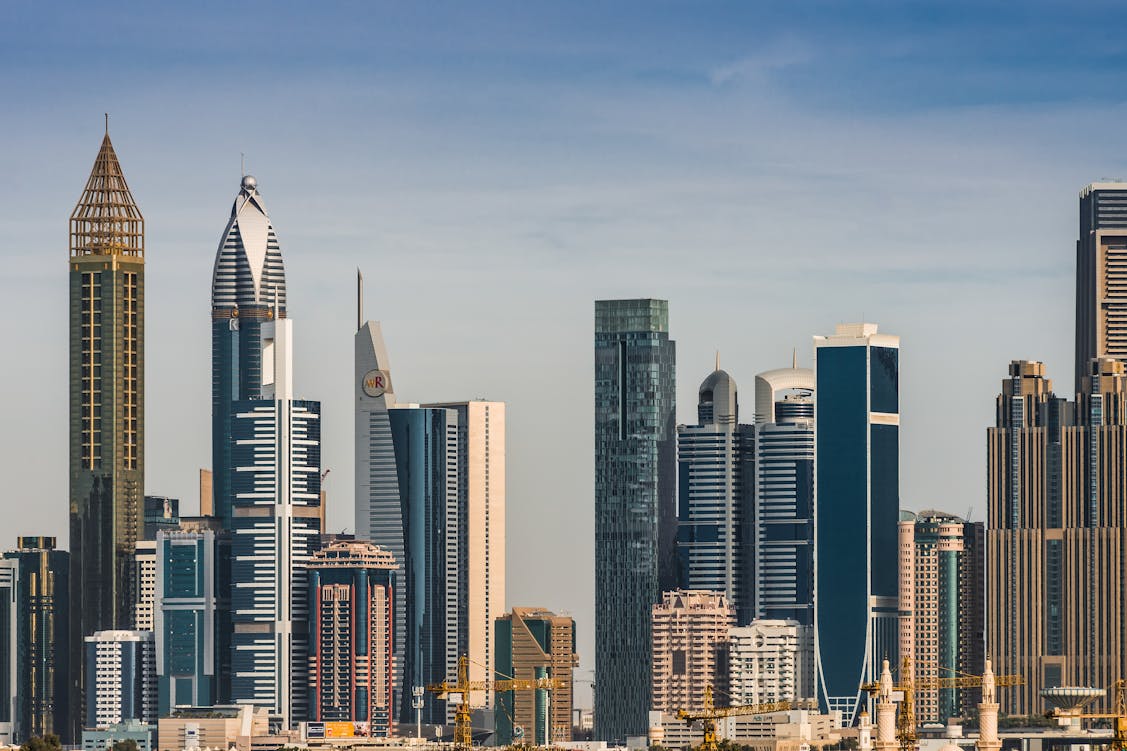
Dubai, United Arab Emirates by tommy picone on Pexels