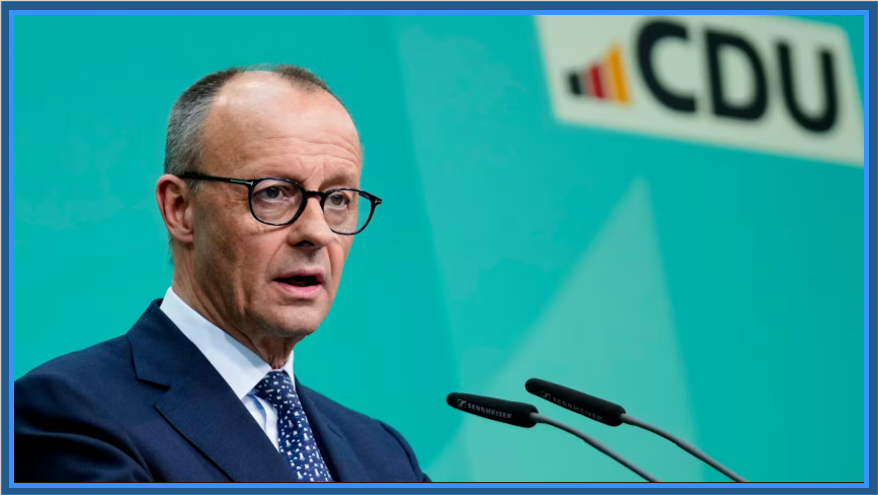
BERLIN — A period of fragile transatlantic calm shattered on Sunday, January 18, 2026, as German industry leaders reacted with unprecedented fury to U.S. President Donald Trump’s latest tariff ultimatum.1 In a move that has stunned global markets, the Trump administration has threatened to impose escalating punitive duties on eight European nations—including Germany and the United Kingdom—unless Denmark agrees to the “complete and total purchase” of Greenland.2+1
The announcement marks a radical escalation of “transactional diplomacy,” linking sovereign territorial demands directly to the global trade architecture.
“Ludicrous” Demands: Industry Groups Lash Out
The reaction from Berlin was swift and scathing. The VDMA, representing Germany’s powerhouse mechanical engineering sector, characterized the threat as “ludicrous” and a “crass breach of international law.”3
- The Timeline of Pressure: The proposed measures would impose a 10% tariff starting February 1, 2026, rising to 25% by June 1, if a deal for Greenland is not reached.4
- Derailing the Truce: The move effectively voids the “summer truce” reached between Brussels and Washington in 2025, which had stabilized duties at a base rate of 15% for most goods.5
- Unprecedented Scope: The tariffs specifically target nations that recently deployed small military contingents to Greenland—including France, Germany, Norway, and Sweden—to bolster Danish sovereignty.6
The “Bazooka”: Calls to Activate the Anti-Coercion Instrument
For the first time since its inception in late 2023, European industry and political leaders are calling for the activation of the Anti-Coercion Instrument (ACI).7 Often referred to as Europe’s “trade bazooka,” the ACI allows the bloc to bypass the need for unanimous consent to hit back at third countries using economic pressure to force political change.
| Instrument Feature | Function in the Greenland Crisis |
| Trigger Mechanism | Activated by “economic blackmail” used to influence sovereign policy. |
| Retaliatory Power | Allows for counter-tariffs, investment restrictions, and exclusion from public tenders. |
| Qualified Majority | Designed to prevent single-member vetoes, ensuring a unified EU front. |
| Diplomatic Off-ramp | Mandatory 4-month examination period to allow for a negotiated settlement. |
Economic Stakes: A Multi-Billion Euro Shadow
The U.S. remains Germany’s top export destination, but the cost of the existing tariff regime is already weighing heavily on the German “Mittelstand.”8
- Automotive Decline: German car exports to the U.S. fell by nearly 14% in the first nine months of 2025 due to previous trade friction.9
- Engineering Impact: Machinery exports have dipped by 9.5%, exacerbated by high energy costs and existing 50% duties on steel and aluminum.10
- Growth Headwinds: Analysts at ING Think warn that a move to 25% tariffs could shave an additional 0.2 percentage points off European GDP growth in 2026.11
The Bottom Line
As European ambassadors convene emergency sessions in Brussels, the consensus in Berlin is one of “sovereignty over subsidies.”12 Industry groups are urging the European Parliament to freeze all pending trade concessions to Washington, signaling that while the U.S. remains a vital security partner, Europe will not allow the global trade order to be used as a bargaining chip for territorial expansion.
German-Chancellor-Friedrich-Merz-Picture-by-heute.at