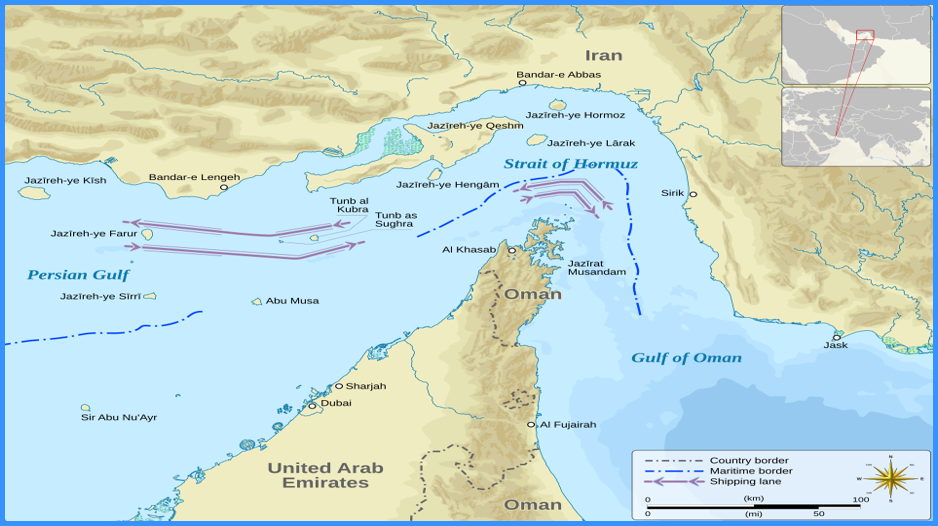
DUBAI/LONDON — The global energy supply chain is facing its most severe crisis in decades as supertanker charter costs spiked to an all-time high of $423,736 per day on Tuesday, March 3, 2026. The unprecedented surge follows a formal declaration from Iran’s Islamic Revolutionary Guard Corps (IRGC) that the Strait of Hormuz is now closed, with officials threatening to “set ablaze” any vessel attempting to transit the strategic waterway.
The “de facto” blockade of the 21-mile-wide chokepoint—through which 20% of the world’s oil and liquefied natural gas (LNG) flows—has effectively paralyzed maritime traffic and pushed global energy markets toward a breaking point.
The Cost of Conflict
Freight rates for Very Large Crude Carriers (VLCCs), which transport up to 2 million barrels of oil, have more than doubled in the last 48 hours. Shipowners are now demanding astronomical risk premiums to navigate the Persian Gulf, citing the direct targeting of at least three tankers by Iranian missiles and drones since Sunday.
- Historic Highs: The benchmark TD3 freight rate for the Middle East-to-China route hit Worldscale 419 on Monday, eclipsing all previous records.
- Insurance Fallout: Major marine underwriters, including the American Club and the London P&I Club, have issued notices cancelling war-risk coverage for the region effective March 5. Without insurance, commercial shipping in the Gulf is expected to come to a total standstill.
- Fuel Surcharge: Analysts from Wood Mackenzie warn that if the disruption continues, shipping costs alone could add $20 per barrel to the price of crude, further fueling global inflation.
LNG Markets in Turmoil
The crisis is not limited to oil. Following reported attacks on Qatari energy infrastructure, QatarEnergy has halted production at two major facilities. Since Qatari LNG must pass through the Strait of Hormuz, European gas prices have skyrocketed, jumping 35% on Tuesday to reach their highest levels in over a year.
- Supply Void: Qatar accounts for nearly 20% of global LNG exports. A prolonged closure would leave Europe and Asia scrambling for alternative heating and power sources during the tail end of the northern winter.
- Maersk and Hapag-Lloyd: Leading shipping conglomerates have officially suspended all transits through the Strait, opting for the lengthy and costly detour around Africa’s Cape of Good Hope.
A Global Economic Alarm
The international community has reacted with escalating panic. In Washington and Jerusalem, officials stated that “Operation Epic Fury” will continue until Iran’s ability to threaten global commerce is neutralized. Meanwhile, oil-importing giants like India—which relies on the Middle East for over 40% of its crude—are reviewing national emergency stockpiles as the rupee faces sharp depreciation.
United Nations Secretary-General António Guterres has reiterated his plea for a “war of words” over a war of missiles, warning that a month-long closure of the Strait could push Brent crude well beyond $100 per barrel, potentially triggering a global recession.
Strait of Hormuz Wikimedia Picture by Goran_tek-en